
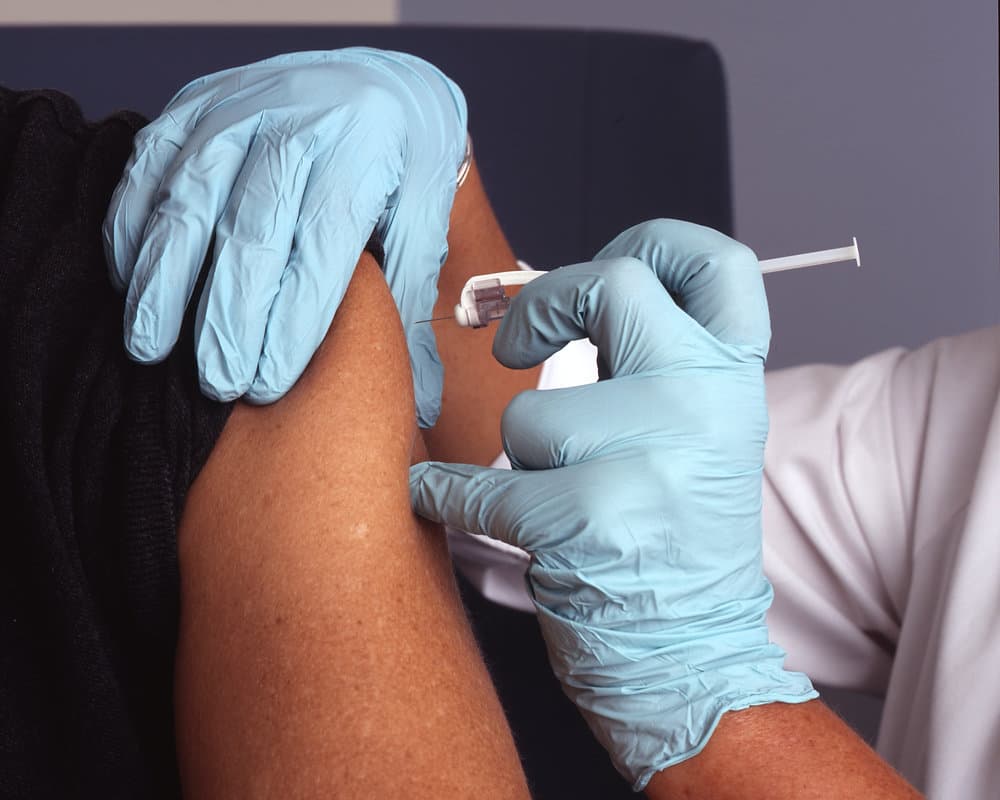
On December 1, 2020, the Federal Motor Carrier Safety Administration (FMCSA) extended and expanded its COVID-19 emergency declaration. As a preliminary matter, the declaration has been extended through February 28, 2021. And like prior versions, the extended declaration provides certain regulatory relief for carriers and drivers providing direct assistance to the pandemic emergency relief efforts, which is now expanded to include transportation of "vaccines and medical supplies and equipment related to the prevention of COVID-19."
"Direct assistance" means transportation and other relief services incident to the immediate restoration of essential services (such as medical care) or essential supplies related to COVID-19. It is limited to the following categories of transportation services: (1) livestock and livestock feed; (2) medical supplies and equipment related to the testing, diagnosis and treatment of COVID-19; (3) vaccines, constituent products, and medical supplies and equipment including ancillary supplies/kits for the administration of vaccines, related to the prevention of COVID-19; (4) supplies and equipment necessary for community safety, sanitation, and prevention of community transmission of COVID-19 such as masks, gloves, hand sanitizer, soap and disinfectants; and (5) food, paper products and other groceries for emergency restocking of distribution centers or stores.
Carriers and drivers who qualify under this declaration are exempted from Parts 390 through 399 of the Federal Motor Carrier Safety Regulations (FMCSRs) while providing direct assistance to the emergency relief efforts. Notably, these Parts include driver qualification, hours of service, and vehicle maintenance requirements. The exemption does not relieve carriers and drivers of having to comply with drug/alcohol testing, CDL requirements, or having to comply with state laws such as speed limits and traffic restrictions.
"Direct assistance" terminates when the driver or vehicle is used to transport cargo that is not in support of the emergency relief efforts or when the motor carrier dispatches the driver to begin non-emergency operations. Upon termination, the operations are once again subject to all applicable safety regulations, except that the driver(s) may return empty to their normal work reporting location while still under the exemption, and must then obtain a 10-hour break if the driver has exceed his/her 14-hour clock.
If you have questions about the FMCSA's emergency declaration or its implications for your operations, please feel free to contact us.
