
Expert Insights on DOT Compliance
In-depth analysis, regulatory updates, and practical compliance guidance from transportation attorneys and industry experts.

Dalilah's Law: What Fleets Need to Know About the Proposed CDL Restrictions
Senator Jim Banks has introduced the Dalilah Law, a bill that would prohibit states from issuing CDLs to individuals who are not U.S. citizens, lawful permanent residents, or holders of certain work visas — and tie compliance to federal DOT funding. Here's what fleet owners and safety directors need to know.
 Brandon Wiseman
FMCSA Issues New Guidance Clarifying Non-Domiciled CDL Final Rule Requirements
On February 18, 2026, FMCSA issued new Frequently Asked Questions (FAQs) clarifying its recently finalized rule tightening the issuance of non-domiciled commercial driver’s licenses (CDLs). The guidance provides critical details for states, carriers, and drivers navigating the March 16, 2026 effective date of the final rule, and confirms that the agency is taking an aggressive posture toward enforcing lawful presence requirements and correcting past licensing deficiencies. While much of the atte
Brandon Wiseman
FMCSA Issues Final Rule on Non-Domiciled CDLs
The Federal Motor Carrier Safety Administration (FMCSA) has issued a new final rule on non-domiciled Commercial Learner’s Permits (CLPs) and Commercial Driver’s Licenses (CDLs). Scheduled for publication in the Federal Register on February 13, 2026 (Docket No. FMCSA-2025-0622, RIN 2126-AC98), this rule largely reaffirms the provisions of the September 29, 2025, Interim Final Rule (IFR) with minor clarifications, despite intense legal scrutiny, a court-imposed stay, and thousands of public commen
Brandon Wiseman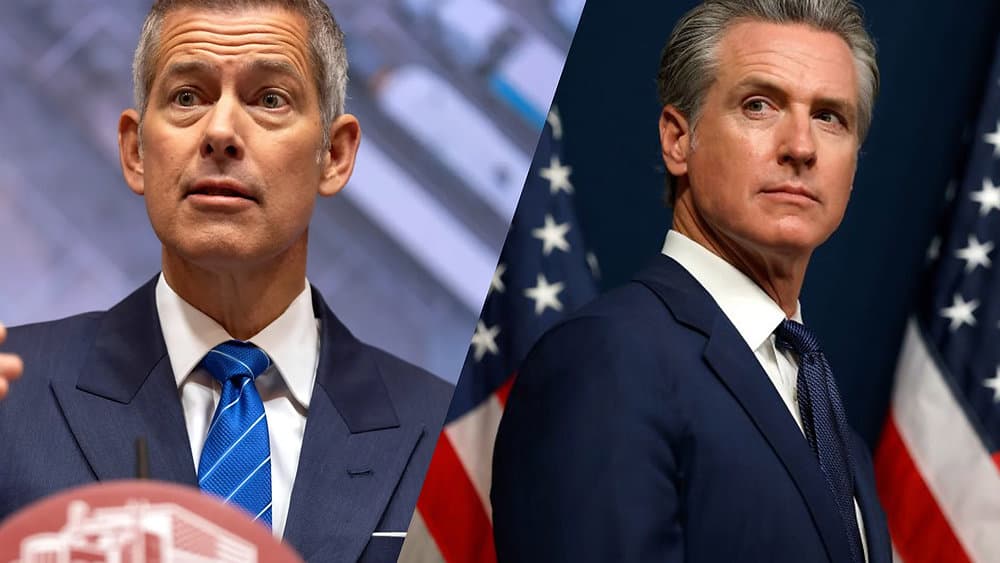
FMCSA escalates feud with California; withholds $160M in federal funding
On January 7, 2026, FMCSA issued a Final Determination of Substantial Noncompliance against the California Department of Motor Vehicles, formally concluding that the state has failed to comply with federal standards governing the issuance of non-domiciled commercial learner’s permits and commercial driver’s licenses. As a result, FMCSA will withhold millions of dollars in federal highway funding beginning in fiscal year 2027.This determination is notable not only for its financial impact, but fo
Brandon Wiseman
Top 10 Regulatory Developments Fleets Should Understand Heading Into 2026
If 2024 hinted at regulatory turbulence, 2025 made it impossible to ignore. Over the past year, FMCSA and USDOT unleashed the most aggressive series of compliance initiatives in more than a decade—targeting language proficiency, non-domiciled CDL issuance, electronic logging devices, medical certification, training quality, and core data systems. These moves were not isolated events; collectively, they signaled a larger shift toward enforcement-first policymaking and heightened scrutiny on found
Brandon Wiseman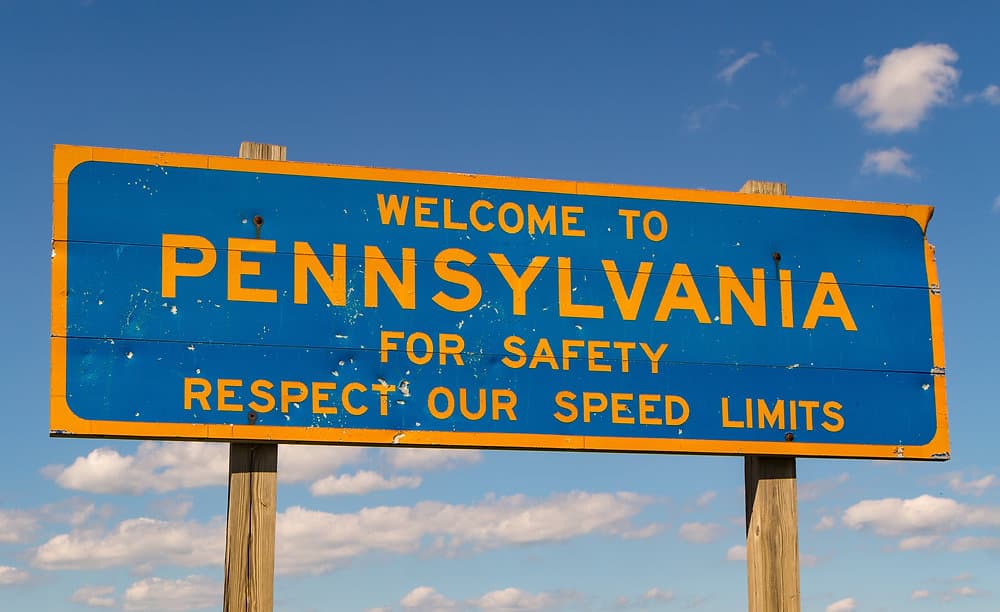
FMCSA Flags Pennsylvania for Non-Domiciled CDL Irregularities
FMCSA has once again turned its attention to state-level CDL practices, this time issuing a pointed preliminary determination of substantial noncompliance to the Commonwealth of Pennsylvania over how it has been issuing non-domiciled commercial learner’s permits (CLPs) and CDLs. The nine-page letter, dated November 19, 2025, reads as both a technical audit and a warning shot, signaling that the Agency’s scrutiny of lawful-presence verification and non-domiciled credentialing practices is expandi
Brandon Wiseman
Federal Court temporarily halts FMCSA’s non-domiciled CDL rule
In a major development with nationwide implications for motor carriers, foreign drivers, and state licensing agencies, the U.S. Court of Appeals for the D.C. Circuit has temporarily stayed the Federal Motor Carrier Safety Administration’s (FMCSA) controversial interim final rule (IFR) restricting the issuance of non-domiciled commercial driver’s licenses (CDLs). The court’s November 10, 2025 order halts the rule pending further judicial review, creating further uncertainty for the industry. Judg
Brandon Wiseman
FMCSA Tightens Rules for Non-Domiciled CDLs in Wake of Fatal Crashes
The Federal Motor Carrier Safety Administration (FMCSA) has issued an Interim Final Rule (IFR) to tighten the the rules governing the issuance of commercial learner’s permits (CLPs) and commercial driver’s licenses (CDLs) to individuals domiciled outside the United States. The rule, which takes effect immediately upon publication in the Federal Register, represents one of the most significant shifts in driver-credentialing policy in recent memory. FMCSA says the move is necessary to “restore int
Brandon Wiseman
FMCSA Modifies Temporary Waiver for Paper Medical Certificates Amid NRII Transition
According to a notice published August 21, 2025, the Federal Motor Carrier Safety Administration (FMCSA) has modified its temporary waiver, allowing interstate commercial driver’s license (CDL) and commercial learner’s permit (CLP) holders, as well as motor carriers, to use paper Medical Examiner’s Certificates (MECs) as proof of medical certification for up to 60 days after issuance. This waiver, effective until October 12, 2025, addresses ongoing challenges in the transition to the National Re
Brandon WisemanNever Miss an Update
Get in-depth DOT compliance articles and breaking regulatory news delivered right to your inbox
Join thousands of safety professionals staying informed on DOT compliance