
Expert Insights on DOT Compliance
In-depth analysis, regulatory updates, and practical compliance guidance from transportation attorneys and industry experts.
Top Critical and Acute Violations for Fleets: Insights and Solutions
In 2024, compliance with Federal Motor Carrier Safety Regulations (FMCSRs) remained a critical challenge for fleets across the industry. During a webinar sponsored by National Interstate and Vanliner Insurance, industry experts Brandon Wiseman from Trucksafe Consulting and Timothy Henry from Haul Compliance shared their insights on the most common violations and offered practical strategies for addressing them. This article includes a summary of the key takeaways, or catch the full replay below.
Year in Review: 2024 Regulatory Highlights and 2025 Outlook for Fleets
As 2024 winds down, the trucking industry finds itself reflecting on a transformative year while preparing for potential regulatory shifts in 2025. Episode 44 of Trucksafe LIVE! tackled key regulatory milestones, upcoming challenges, and industry-shaping court cases. Here's a comprehensive look back at 2024’s top trucking regulations and a forward-looking perspective on what fleets might expect in 2025. Catch the replay of the episode below! Trucksafe LIVE! | Ep. 44 - Year-in-review & 2025 outlo
 Brandon Wiseman
What should fleets expect with a Republican Administration in 2025?
As the U.S. heads toward a presidential transition from a Democrat to a Republican administration in January 2025, fleet managers and industry leaders are preparing yet again for potential shifts in regulatory focus. The Federal Motor Carrier Safety Administration (FMCSA), in particular, plays a crucial role in shaping the trucking industry, affecting compliance, safety, and operational standards for motor carriers nationwide. And like other federal agencies, the FMCSA and its policies are heavi
Brandon Wiseman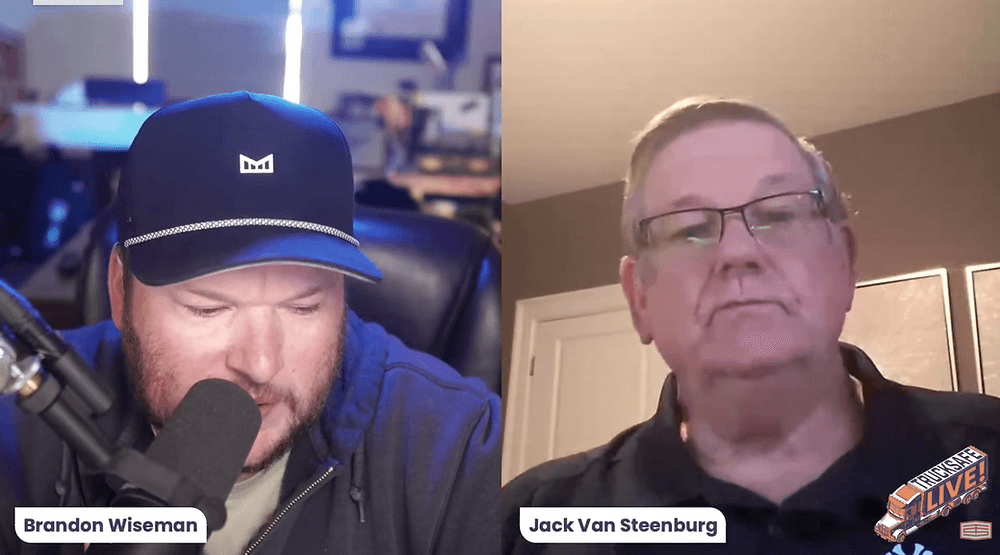
Understanding FMCSA Changes and Compliance Trends: Insights from Jack Van Steenburg
In Episode 43 of the Trucksafe LIVE! podcast, host Brandon Wiseman discussed major FMCSA updates, the agency's operational focus, and regulatory outlook with special guest Jack Van Steenburg, former Chief Safety Officer for the FMCSA and an expert in commercial motor vehicle safety compliance. This episode provided a deep dive into upcoming changes impacting fleet operations and the trucking industry as a whole, especially in light of the 2024 U.S. election, which may lead to significant shifts
DOT Compliance for Small vs. Large Fleets
In the U.S. trucking industry, fleet managers, regardless of fleet size, face a myriad of challenges to ensure their business remains compliant with USDOT regulations. However, the scope and scale of these challenges can differ significantly depending on the size and complexity of the fleet. In this article, we'll explore the key differences in DOT compliance between small and large fleets, identify common challenges, and provide practical strategies for each to stay compliant. The Basics of DOT
Brandon Wiseman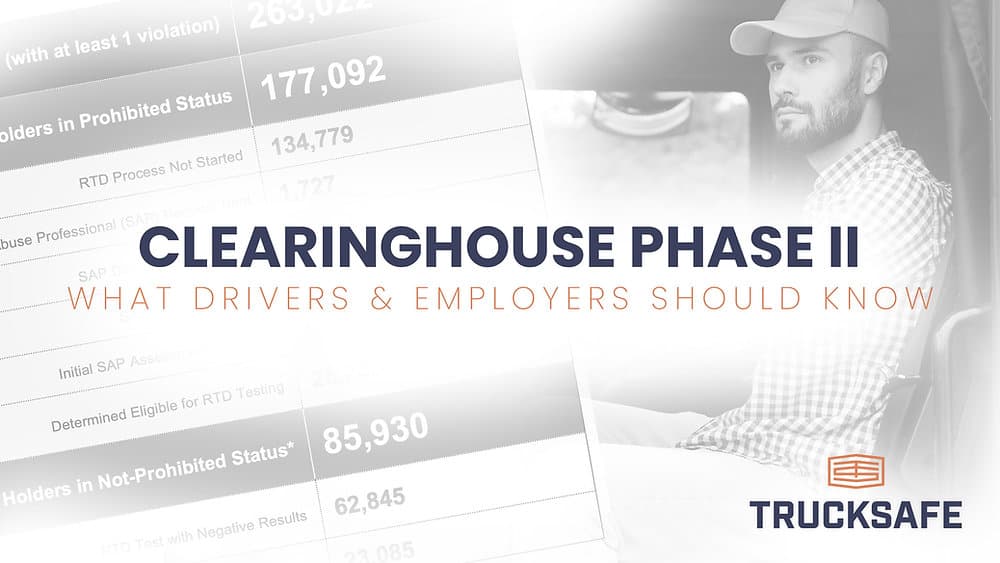
What You Need to Know About the Clearinghouse II Roll Out by FMCSA
In an effort to close gaps in federal drug & alcohol testing regulations, the Federal Motor Carrier Safety Administration (FMCSA) will soon roll out Clearinghouse Phase II—a significant change to the manner in which driver drug & alcohol violation data is accessed and utilized by State Driver's Licensing Agencies (SDLAs). BIG changes in store for the Drug & Alcohol Clearinghouse!Effective November 18, 2024, FMCSA, the federal agency charged with regulating the operation of commercial drivers an
Brandon Wiseman
Trucksafe joins CCJ to discuss impact of marijuana rescheduling for trucking
Trucksafe’s Brandon Wiseman recently joined CCJ’s 10-44 podcast to discuss how the Drug Enforcement Administration’s proposal to reschedule marijuana as a Schedule III drug could impact DOT drug testing. Check out the article here or the video below!
Trucksafe's Brandon Wiseman featured by FleetOwner in article on 2024 regulatory outlook
Trucksafe's president Brandon Wiseman joined FleetOwner magazine for a two-part series on upcoming rulemaking activities likely to impact regulated fleets in 2024. In the article, Wiseman highlights the following issues and how they could affect motor carriers this year: • Revisions to Safety Measurement System (CSA scores) • Changes to safety rating methodology • Expansion of Crash Preventability Determination Program • DataQs independent appeals board • New entrant knowledge exam • Oral fluid
2023 regulatory year-in-review & 2024 outlook
2023 was a big year for trucking and a fairly busy one for regulators. We saw a lot of new proposed rule changes from the Federal Motor Carrier Safety Adminstration (FMCSA), particularly around their various enforcement mechanisms like safety ratings and CSA scores. With 2023 coming to a close, we're taking a look back at the most significant DOT-related regulatory initiaves from the past year and looking forward to what's in store for next year. 2023 Year In ReviewAs noted, the FMCSA was fairly
Brandon WisemanNever Miss an Update
Get in-depth DOT compliance articles and breaking regulatory news delivered right to your inbox
Join thousands of safety professionals staying informed on DOT compliance