
Expert Insights on DOT Compliance
In-depth analysis, regulatory updates, and practical compliance guidance from transportation attorneys and industry experts.
When trucking regulations run amok
Regulations have been my profession, my life, for many years. Trucking regulations, to be precise. I’ve devoted my career to helping fleets better understand and comply with the hundreds of safety-related regulations that govern their operations. And I step in to defend those fleets when they inevitably run afoul of the rules. Trucking is a heavily regulated industry, understandably so. It’s dangerous. Thousands of people die in the U.S. each year in accidents involving large trucks and buses, n
 Brandon Wiseman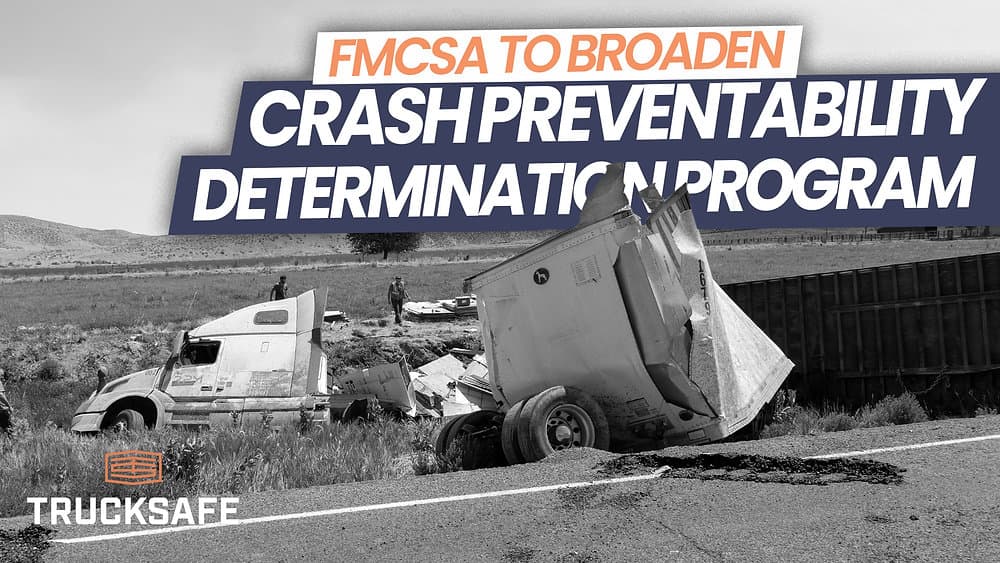
FMCSA to broaden Crash Preventability Determination Program
The Federal Motor Carrier Safety Administration (FMCSA) has plans to expand the federal program through which regulated motor carriers challenge the preventability of accidents in which their drivers are involved. According to its notice published on April 12, 2023, the FMCSA proposes to broaden its Crash Preventability Determination Program (CPDP), such that more types of accidents will be eligible for a preventability ruling. The agency first stood up the CPDP in May 2020, following industry c
Brandon Wiseman
FMCSA overhauls Clearinghouse notifications
The federal Drug & Alcohol Clearinghouse--a central repository for drug/alcohol testing data for CDL drivers--has now been in place for more than three years. As we addressed in another article, the Clearinghouse's three-year anniversary in January 2023 brought with it changes to the process that motor carriers must follow when first onboarding CDL drivers. But even more recently, in mid-March, the FMCSA overhauled the way that its Clearinghouse notifies employers (i.e., motor carriers) of any c
Brandon Wiseman
Trucksafe discusses proposed CSA changes with HDT Talks Trucking
Trucksafe's president Brandon Wiseman recently joined Heavy Duty Trucking's Talks Trucking podcast to discuss the FMCSA's proposed revisions to its Safety Measurement System (SMS) and what those changes could mean for regulated fleets. Catch the replay below or at this link. For an even more in-depth discussion of these changes, check out our recent episode of Trucksafe LIVE! on the topic:About Trucksafe Consulting, LLC: Trucksafe Consulting is a full-service DOT regulatory compliance consulting

Top 5 personal conveyance mistakes
It’s 2023, and personal conveyance remains one of the most misunderstood and abused aspects of the Federal Motor Carrier Safety Regulations. It is one of the leading contributors to log falsification violations, roadside out of service orders, elevated hours-of-service scores, downgraded safety ratings, and civil penalties. In fact, personal conveyance misuse is so prominent that it has its own violation code in the Safety Measurement System (SMS) methodology.With so much at stake, it’s critical
Brandon Wiseman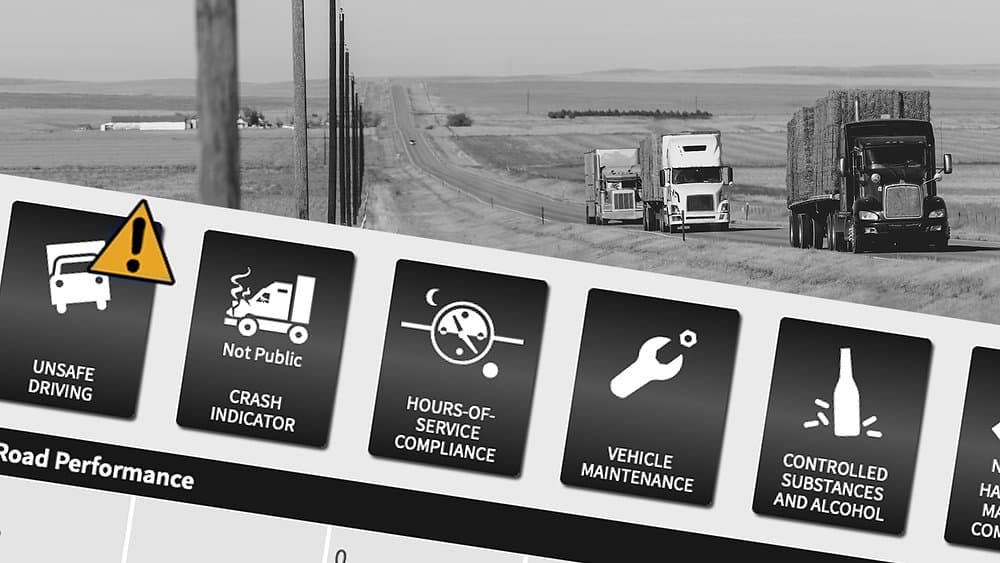
FMCSA proposes substantial revisions to its Safety Measurement System (SMS)
The Federal Motor Carrier Safety Administration (FMCSA) is proposing fairly substantial changes to its Safety Measurement System (SMS) also known as CSA, which the agency uses to prioritize motor carriers for enforcement. According to a notice published in the Federal Register on February 15, 2023, "FMCSA continues its commitment to continuously improving SMS to identify motor carriers that present the highest crash risk through a transparent and effective system." We'll break it all down in thi
Brandon Wiseman
When is it appropriate for drivers to claim adverse driving condition exemption?
There's nothing quite as frustrating as being stuck in traffic for lengthy periods. Now multiply that frustration by at least ten when you're a commercial driver faced with the pressure of timely and safely delivering freight to an expectant customer on the one hand and staying within your allotted hours-of-service on the other. It's maddening! Fortunately, the Federal Motor Carrier Safety Regulations offer some regulatory relief to drivers faced with so-called "adverse driving conditions," at l
Brandon Wiseman
Understanding FMCSA civil penalties
In January 2023, the Federal Motor Carrier Safety Administration (FMCSA) announced inflation-adjusted increases to its civil penalties. Now, it’s probably not surprising to you that the FMCSA is vested with the authority to enforce its safety regulations by assessing civil penalties. It’s really no different than other government agencies imposing fines for other types of non-compliance. That in mind, there are some nuances to the FMCSA’s civil penalties which are worth discussing, at least at a
Brandon Wiseman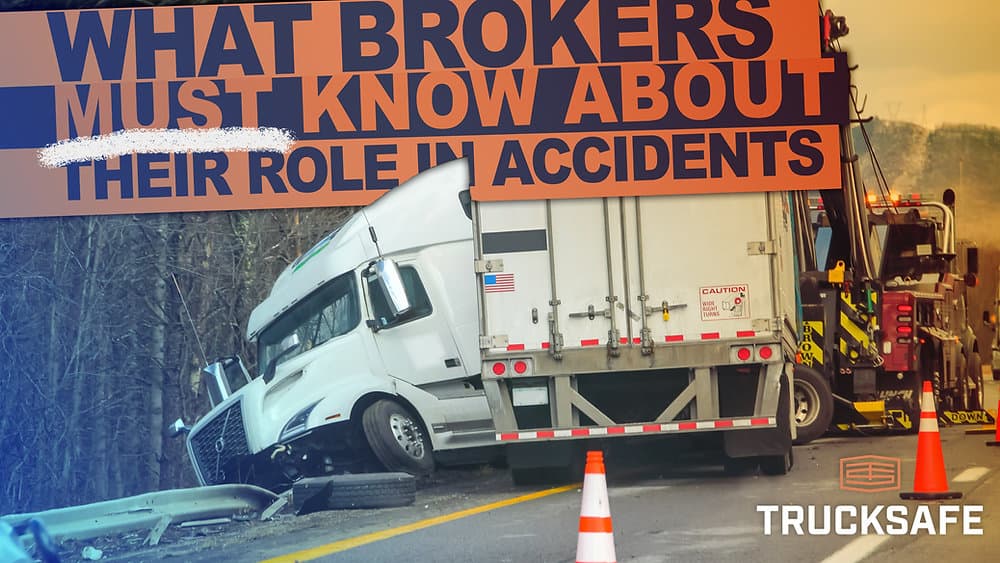
What property brokers MUST know about their role in highway accidents
In late 2022, the U.S. Supreme Court refused to hear a case involving C.H. Robinson, one of the largest property brokers in the world, in which Robinson was alleged to have negligently hired a motor carrier that caused a bad accident and severely injured the plaintiff in the case. Robinson contended these types of lawsuits against property brokers are preempted by a federal law known as the Federal Aviation Administration Authorization Act or FAAAA, which generally prohibits states from enforcin
Brandon WisemanNever Miss an Update
Get in-depth DOT compliance articles and breaking regulatory news delivered right to your inbox
Join thousands of safety professionals staying informed on DOT compliance