
Expert Insights on DOT Compliance
In-depth analysis, regulatory updates, and practical compliance guidance from transportation attorneys and industry experts.
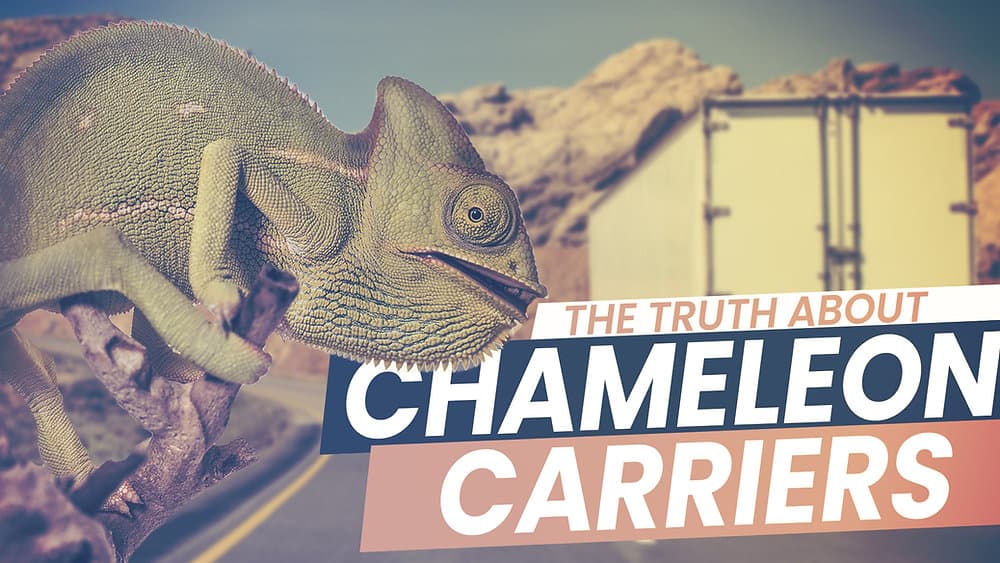
What are chameleon carriers?
Chameleons--the reptiles, that is--are known for their ability to change their physical appearance to blend into their surroundings. The Federal Motor Carrier Safety Administration (FMCSA), which is primarily responsible for regulating highway safety, has ascribed similar characteristics to nefarious motor carriers who attempt to avoid the consequences of non-compliance by closing up shop and reincarnating under a different name or USDOT number. These so-called "chameleon carriers" believe that
 Brandon Wiseman
Compliance Myths: Required truck markings
With as much variability in truck markings as there is, you'd be inclined to think there isn't some standard or regulation on the topic.
Brandon Wiseman
5 reasons to consolidate DOT#s (and how to do it)
Managing a regulated fleet of commercial vehicles and drivers is a daunting task. Ensuring each and every driver is properly licensed and qu
Brandon Wiseman
Trucksafe tackles compliance myths on Tow Business Podcast
Trucksafe's Brandon Wiseman recently joined the Tow Business Podcast to tackle some of the biggest compliance myths permeating the towing industry. Catch the episode below or wherever you get your podcasts to hear Brandon address the following topics: • How Trucksafe got started • What services Trucksafe offers • Understanding interstate vs. intrastate commerce • The importance of vehicle/combination weight • Exemptions available to towing companies • ELD use for towing companies

FMCSA seeking comments on "brokerage" definitions
The Federal Motor Carrier Safety Administration (FMCSA) is seeking responses to several questions that will inform future guidance on the topic of what is "brokerage" and "bona fide agents." In a notice posted to the Federal Register on June 9, 2022, the agency noted its questions come in response to a Congressional directive (Infrastructure Investment and Jobs Act) to clarify the terms "broker" and "bona fide agents" by November 15, 2022. Specifically, FMCSA must, at minimum: FMCSA (1) examine
Brandon Wiseman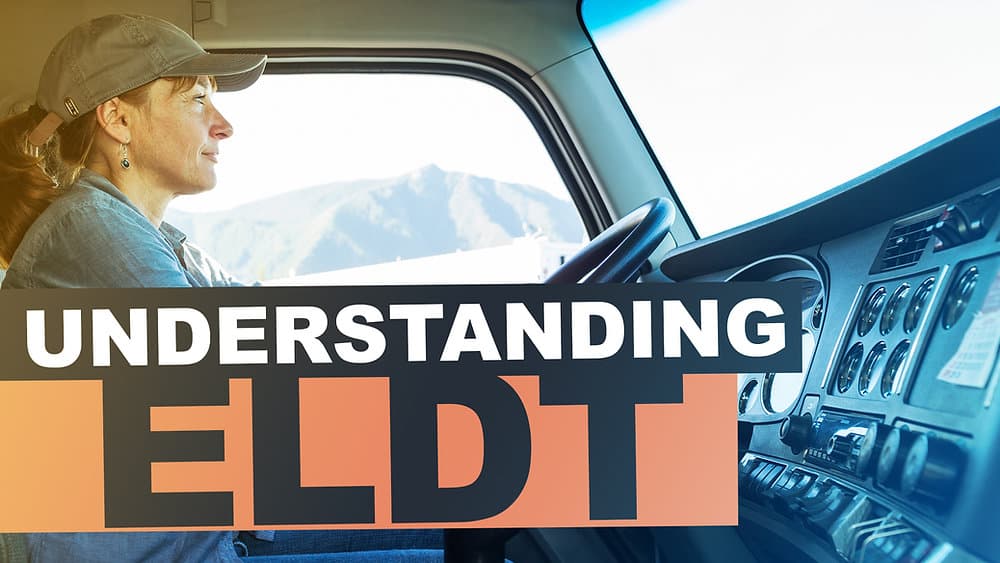
What fleets need to know about Entry-Level Driver Training (2022)
Trucksafe's President and transportation attorney Brandon Wiseman recently joined Tenstreet to discuss the recently implemented Entry-Level Driver Training (ELDT) rule and what motor carriers need to understand about that rule. In this article, we'll recap some of the most frequently asked questions about ELDT. Impact of new ELDT on existing training requirementsHistorically, the Federal Motor Carrier Safety Regulations (FMCSRs) have had very little to say about mandatory training for commercial

FMCSA reignites speed limiter proposal for larger trucks
The Federal Motor Carrier Safety Administration is moving forward with its 2016 proposed rulemaking that would require larger trucks to be equipped with speed limiter technology. In an Advanced Notice of Proposed Rulemaking posted on May 3rd, the agency said it is “provid[ing] a series of questions to gather information and data to assist FMCSA in drafting a Supplemental Notice of Proposed Rulemaking” to offer proposed regulatory text and address comments from the initial proposal. The 2016 rule
Brandon Wiseman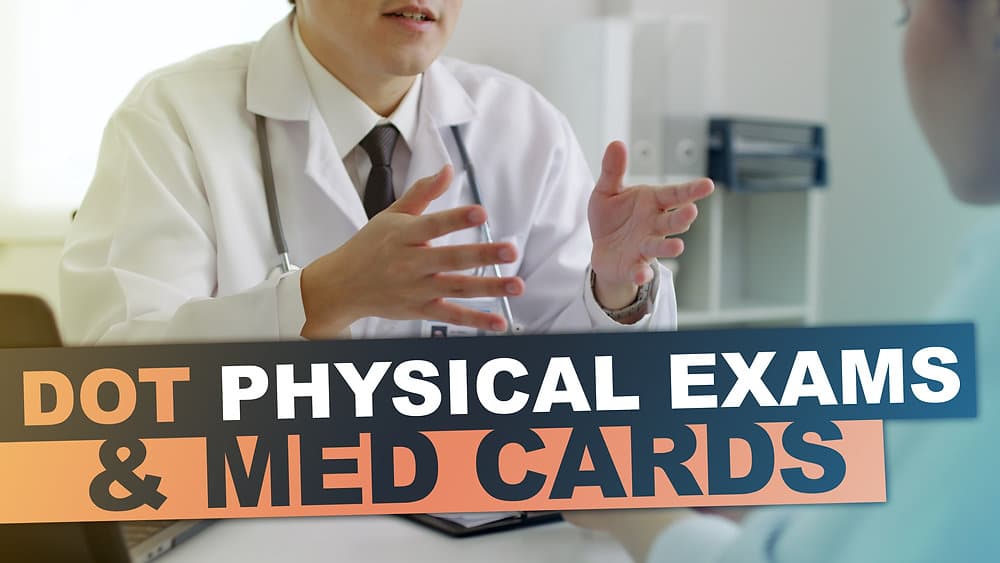
Understanding DOT physical exams & med cards
In order for an individual to be qualified to operate a commercial motor vehicle (CMV), he/she must meet the minimum qualification standards set forth in Part 391 of the federal motor carrier safety rules, and motor carriers that employ or engage drivers have a responsibility to ensure that their drivers are and remain qualified under those rules. One of those minimum qualification standards warrants additional attention and it’s the one that says that drivers must be physically qualified to ope
Brandon Wiseman
5 things to understand about new entrant audits
If you're starting up a new trucking business, you undoubtedly have a lot on your plate! But some things you can't afford to ignore are your compliance-related obligations under the Federal Motor Carrier Safety Regulations (FMCSRs) and any applicable state regulations. Indeed, most newly registered motor carriers end up going out of business within the first year of operations, and too often, noncompliance is the culprit.Highway transportation remains one of the most heavily regulated industries
Brandon WisemanNever Miss an Update
Get in-depth DOT compliance articles and breaking regulatory news delivered right to your inbox
Join thousands of safety professionals staying informed on DOT compliance