
Expert Insights on DOT Compliance
In-depth analysis, regulatory updates, and practical compliance guidance from transportation attorneys and industry experts.
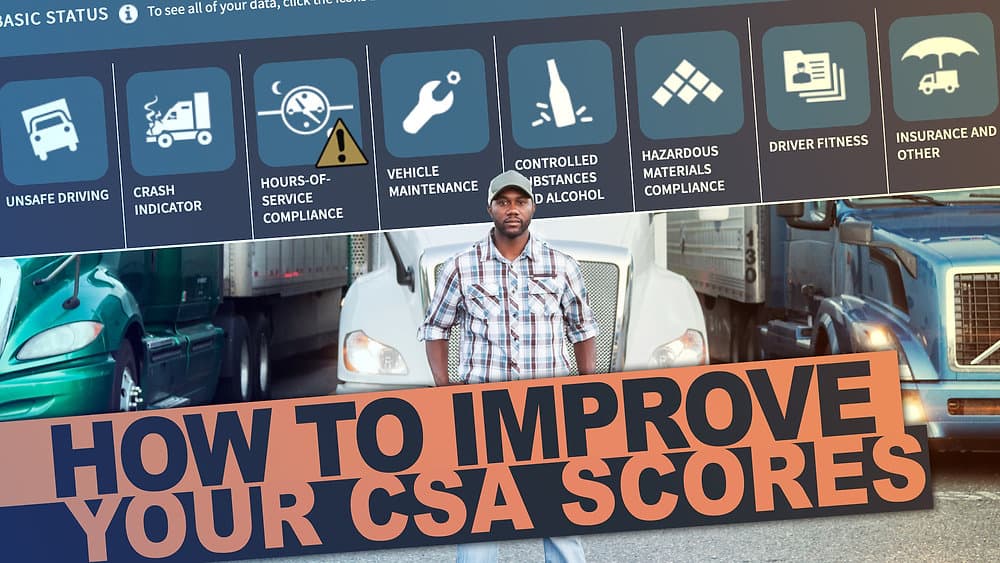
How to improve your CSA scores
CSA scores are a big deal for regulated motor carriers. High CSA scores can lead to increased insurance premiums, lost business, and heightened exposure in highway accident litigation. Keeping your scores as low as possible is important, but how do you do it? That's the million dollar question. Although the answer is pretty straightforward, it's unfortunately not what most fleets want to hear. Lowering your CSA scores (and keeping them low) takes time and effort. There is no magic wand. There ar
 Brandon Wiseman
Trucksafe joins Heavy Duty Trucking to discuss potential ELD changes
Trucksafe's president Brandon Wiseman recently joined Heavy Duty Trucking Magazine to discuss potential revisions to the FMCSA's electronic logging device (ELD) rules. Check out the replay below.

COVID-19 emergency HOS exemption lapses
The Federal Motor Carrier Safety Administration (FMCSA) has chosen not to renew its Covid-19 emergency declaration that had been in place since March 2020 and provided some regulatory relief (primarily HOS-related) for carriers and drivers transporting certain commodities as part of the emergency relief efforts like vaccines, food supplies, etc. The declaration, which the agency had renewed several times over the past two years, expired on October 15th. According to the FMCSA's website, "There a
Brandon Wiseman
FMCSA contemplating electronic vehicle identification tags
Among its flurry of recently-published notices, the Federal Motor Carrier Safety Administration (FMCSA) has announced it is seeking comments on whether the agency should amend its regulations to require "every commercial motor vehicle (CMV) operating in interstate commerce to be equipped with electronic identification (ID) technology capable of wirelessly communicating a unique ID number when queried by a Federal or State motor carrier safety enforcement personnel." The agency's notice is a resp
Brandon Wiseman
FMCSA mulling tweaks to ELD rules
In a notice published in the Federal Register in mid-September 2022, the FMCSA is seeking comments from the public on whether to modify certain portions of its electronic logging device (ELD) rule. That rule, first published in 2015, mandated the use of ELDs by most regulated drivers as a means to more accurately track their daily duty status. According to the FMCSA, “lessons learned by Agency staff, State enforcement personnel, ELD providers, and industry over the last few years can be used to
Brandon Wiseman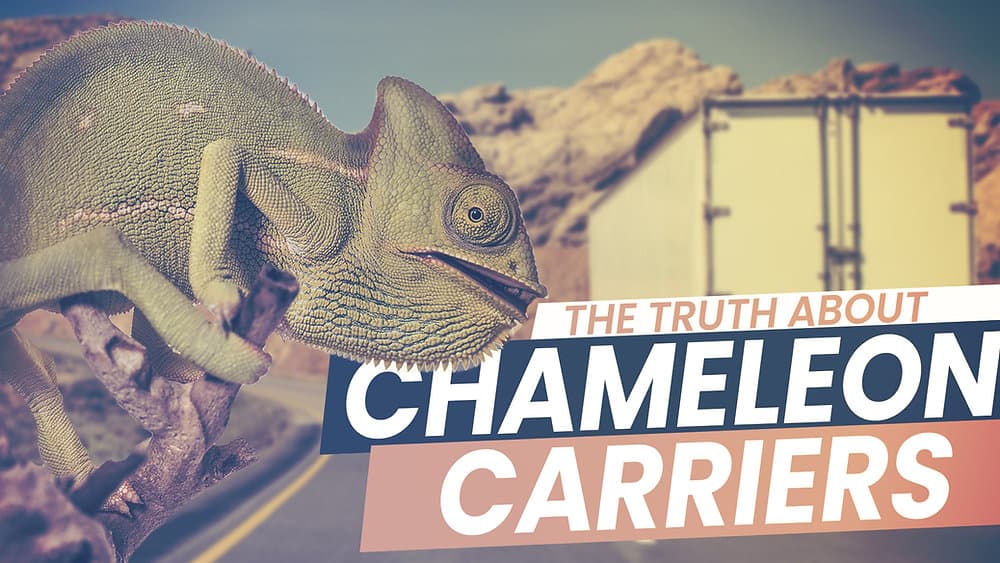
What are chameleon carriers?
Chameleons--the reptiles, that is--are known for their ability to change their physical appearance to blend into their surroundings. The Federal Motor Carrier Safety Administration (FMCSA), which is primarily responsible for regulating highway safety, has ascribed similar characteristics to nefarious motor carriers who attempt to avoid the consequences of non-compliance by closing up shop and reincarnating under a different name or USDOT number. These so-called "chameleon carriers" believe that
Brandon Wiseman
Compliance Myths: Required truck markings
With as much variability in truck markings as there is, you'd be inclined to think there isn't some standard or regulation on the topic.
Brandon Wiseman
5 reasons to consolidate DOT#s (and how to do it)
Managing a regulated fleet of commercial vehicles and drivers is a daunting task. Ensuring each and every driver is properly licensed and qu
Brandon Wiseman
FMCSA seeking comments on "brokerage" definitions
The Federal Motor Carrier Safety Administration (FMCSA) is seeking responses to several questions that will inform future guidance on the topic of what is "brokerage" and "bona fide agents." In a notice posted to the Federal Register on June 9, 2022, the agency noted its questions come in response to a Congressional directive (Infrastructure Investment and Jobs Act) to clarify the terms "broker" and "bona fide agents" by November 15, 2022. Specifically, FMCSA must, at minimum: FMCSA (1) examine
Brandon WisemanNever Miss an Update
Get in-depth DOT compliance articles and breaking regulatory news delivered right to your inbox
Join thousands of safety professionals staying informed on DOT compliance