
Expert Insights on DOT Compliance
In-depth analysis, regulatory updates, and practical compliance guidance from transportation attorneys and industry experts.
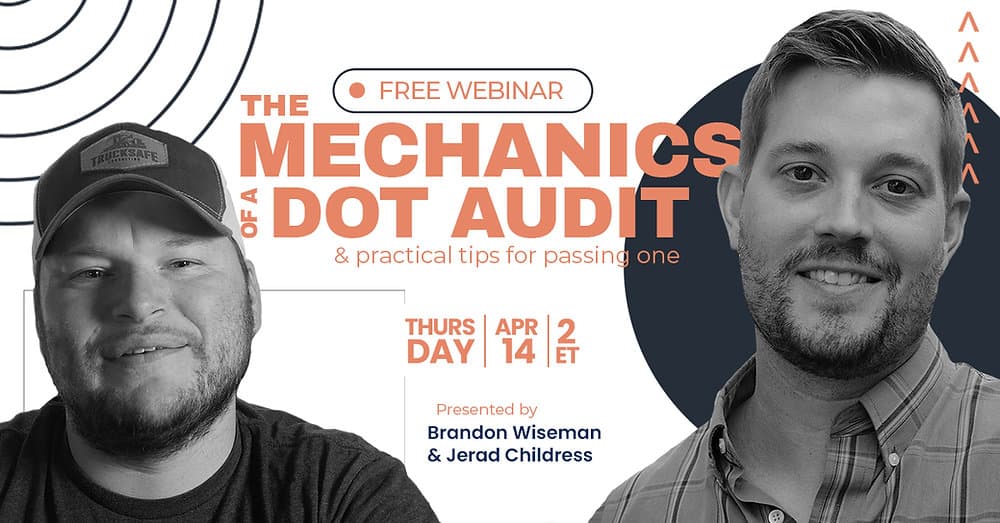
The mechanics of a DOT audit (and practical tips for surviving one)
In a recent webinar, Trucksafe's Brandon Wiseman and Jerad Childress discussed the Federal Motor Carrier Safety Administration's (FMCSA's) auditing methodology, including how the agency prioritizes motor carriers for investigation, what types of audits it conducts, what records it requests, what types of violations it looks for, and the consequences of a "bad" audit. Check out the replay below. As discussed in the webinar and in our prior article, it's important for fleets to proactively examine
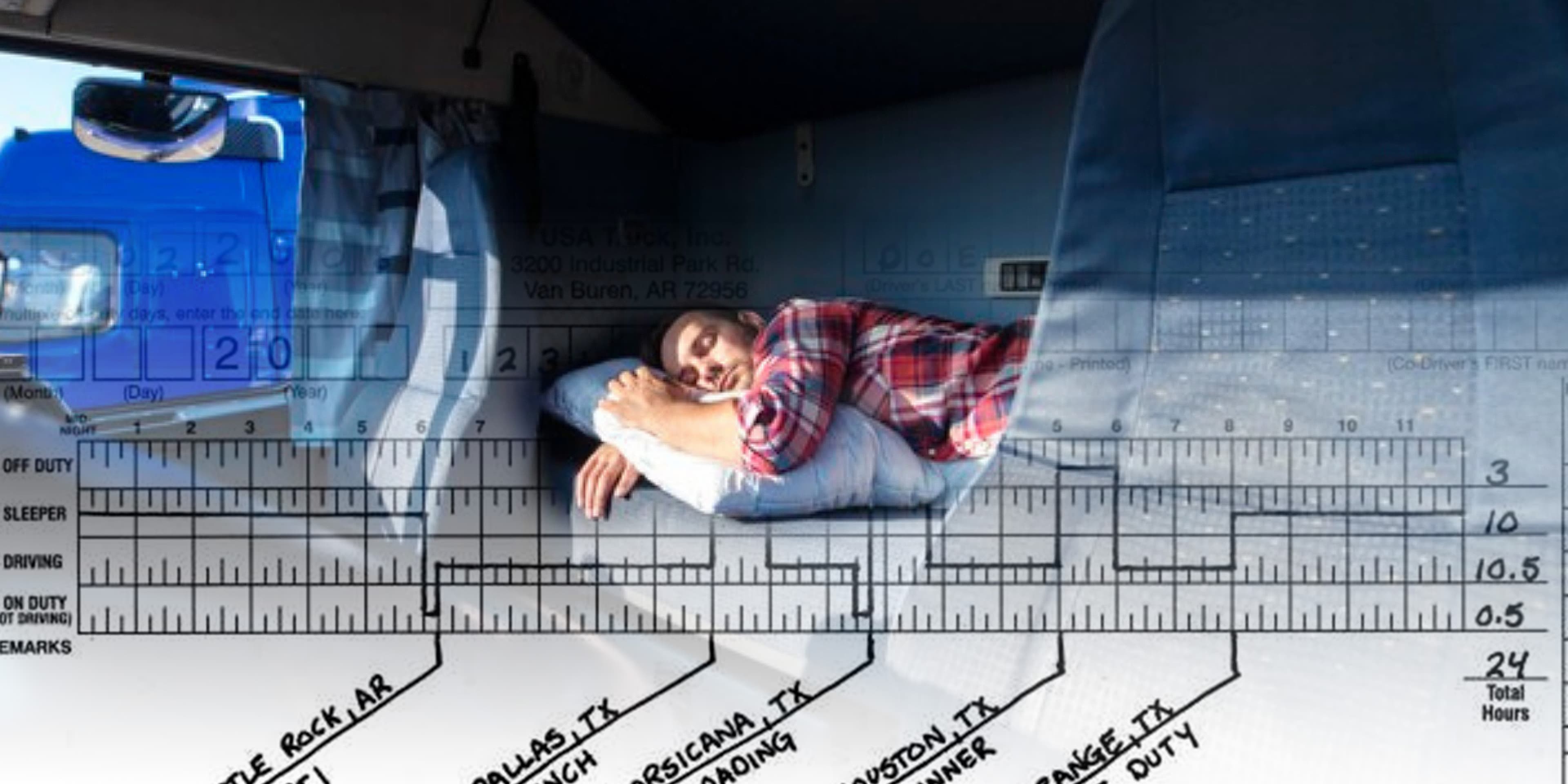
What is the split sleeper berth rule?
One of the more confusing aspects of the federal hours-of-service rules, at least for some drivers, is the so-called “split sleeper berth” rule. Used correctly, this rule offers some decent flexibility to drivers whose trucks are equipped with a sleeper berth, particularly when it comes to times they are detained at shipper or receiver facilities. But the rule isn’t all that intuitive, unfortunately, so in this article, we will break down the split sleeper rule. But generally speaking...The spli
 Brandon Wiseman
FMCSA withdraws third-party and out-of-state CDL testing rulemakings
In two separate notices to be published on March 9, 2022, the Federal Motor Carrier Safety Administration (FMCSA) is formally withdrawing CDL-related rulemakings that would have provided some flexibility to the knowledge and skills testing process. In the first notice, the agency is withdrawing a proposed rule that would have allowed driver applicants to take the commercial driver’s license (CDL) general and specialized knowledge tests in a state other than the applicants state of domicile. That
Brandon Wiseman
FMCSA to eliminate certificate of violations requirement
In a Final Rule to be published on March 9, 2022, the Federal Motor Carrier Safety Administration (FMCSA) is doing away with the regulatory requirement that drivers operating commercial motor vehicles (CMVs) in interstate commerce prepare and submit a list of their convictions for traffic violations to their employers annually. According to the agency, this requirement "is largely duplicative of a separate rule that requires each motor carrier to make an annual inquiry to obtain the motor vehicl
Brandon Wiseman
DOT proposes to allow oral fluid drug testing
In a notice published to the Federal Register on February 28, 2022, the United States Department of Transportation (USDOT) is proposing to revise its existing drug and alcohol testing rules in 49 CFR Part 40 to, among other things, expand the allowable methods for DOT drug testing to include oral fluids. According to the agency, "this will give employers a choice that will help combat employee cheating on urine drug tests and provide a more economical, less intrusive means of achieving the safet
Brandon Wiseman
FMCSA provides details on 18-21 year old apprenticeship program
The FMCSA's Safe Driver Apprenticeship Pilot Program will soon be live. Here's what we know about the program and its requirements so far.
Brandon Wiseman
FMCSA takes first step in establishing apprenticeship program
At Congress's direction, the FMCSA will soon be establishing an apprenticeship program that will allow 18-20 year olds to operate interstate
Brandon Wiseman
Risky business: CBD use by commercial drivers
CBD use among commercial drivers is on the rise, but carriers and drivers need to understand the risks associated with CBD use.
Brandon Wiseman
Why fleets should be investing in DOT regulatory training
Carriers have long recognized the need to provide training on safe driving techniques. But fewer appreciate the need for regulatory training
Brandon WisemanNever Miss an Update
Get in-depth DOT compliance articles and breaking regulatory news delivered right to your inbox
Join thousands of safety professionals staying informed on DOT compliance