Expert Insights on DOT Compliance
In-depth analysis, regulatory updates, and practical compliance guidance from transportation attorneys and industry experts.
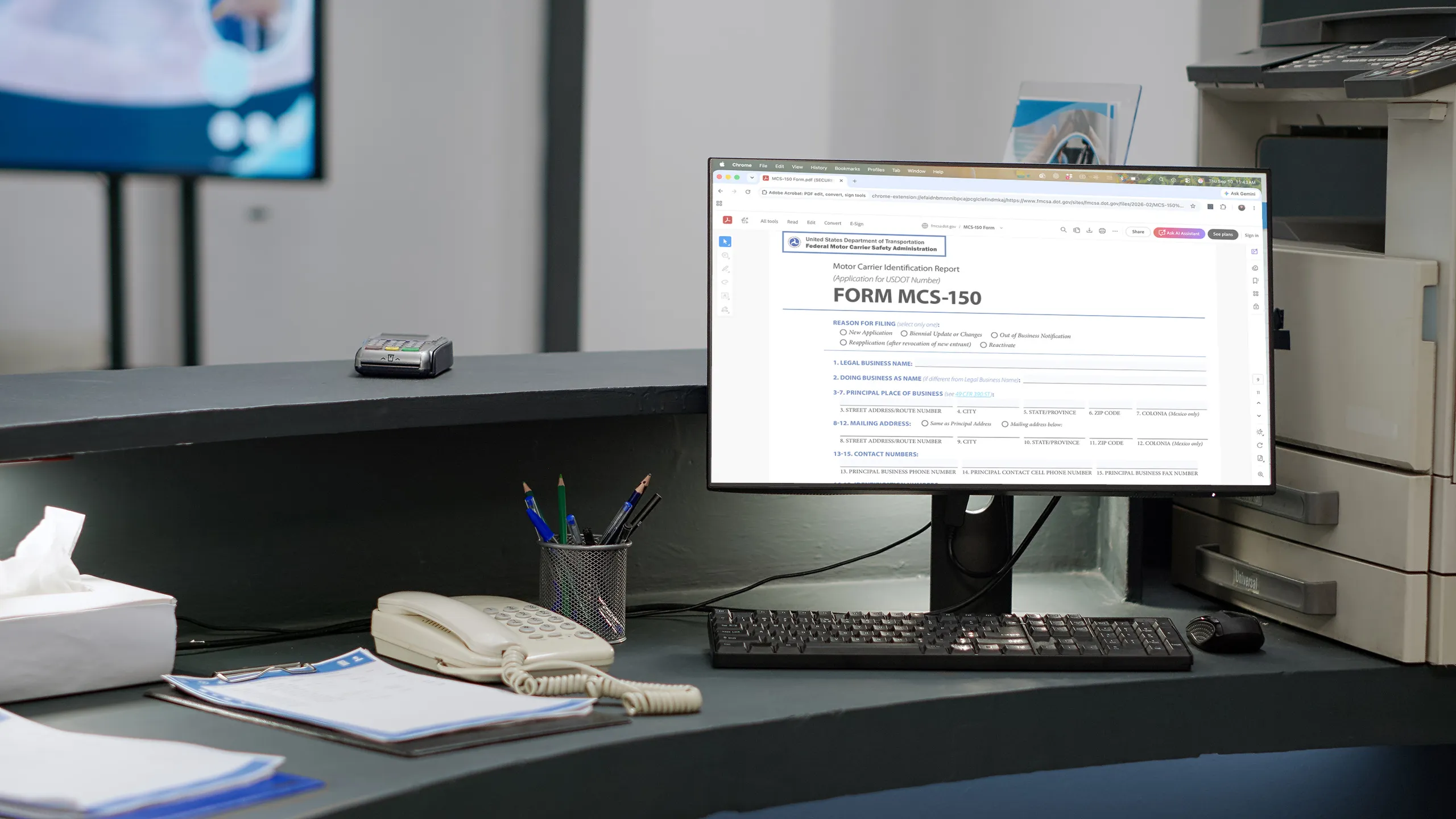
FMCSA Suspends USDOT Inactivations for Missed Biennial Updates During MOTUS Rollout
FMCSA has temporarily suspended USDOT number inactivations for missed biennial updates as carriers transition to the new MOTUS registration system. Here's what carriers need to know and do right now.
 Brandon Wiseman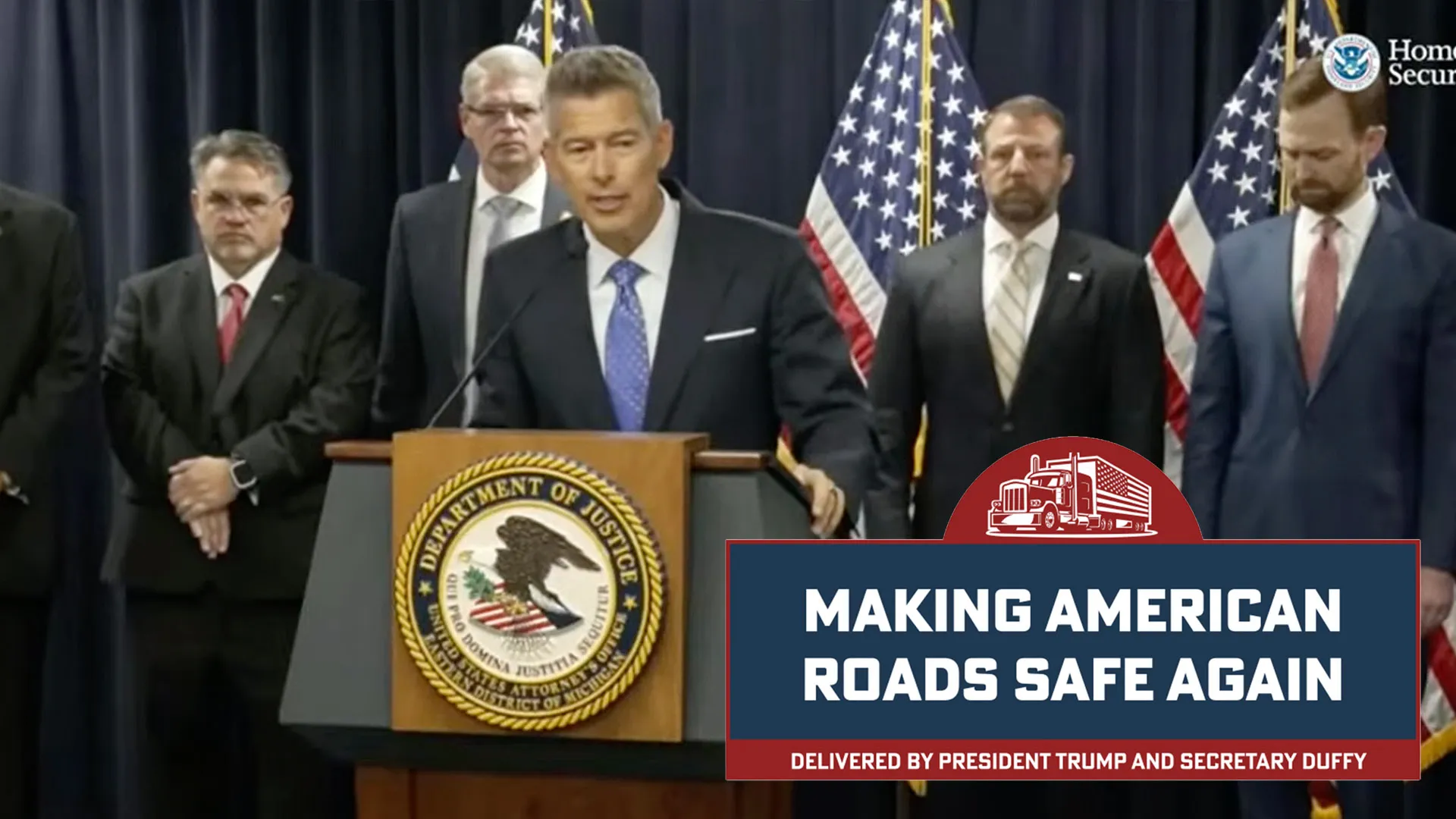
Federal Government Launches Historic Interagency Crackdown on CDL Fraud in Trucking
The U.S. Departments of Transportation, Homeland Security, and Justice have launched a historic interagency crackdown on CDL fraud, including emergency removal of 110+ training providers, a 40-state investigation, and formation of the Joint Task Force Crossroads of America. Here's what it means for compliant carriers.
Brandon Wiseman
States Sue FMCSA Over CDLIS Data Demand
Twenty-two states and D.C. have sued FMCSA over a demand for 17 million CDLIS driver records, threatening to shut down CDL issuance nationwide. Here's what the lawsuit means for your fleet and what to watch next.
Brandon Wiseman
FMCSA Proposes to Codify English Language Proficiency as an Out-of-Service Violation
FMCSA has proposed a rule that would formally codify English Language Proficiency (ELP) as an out-of-service violation under 49 CFR 391.11(b)(2). Here's what the NPRM means for your fleet and what you need to be doing right now.
Brandon Wiseman
FMCSA's 2026 Regulatory Agenda: Everything Trucking Companies Need to Know
FMCSA has released its 2026 regulatory agenda, covering dozens of rulemakings that will affect driver qualification, ELDs, drug testing, automated vehicles, safety fitness ratings, and more. Here's what every fleet needs to know.
Brandon Wiseman
FMCSA Finalizes More Deregulatory Rules
FMCSA has finalized three new deregulatory rules effective July 22, 2026, removing the CDL self-reporting requirement, the in-cab ELD manual requirement, and revising the roadside inspection report return process. Here is what fleets need to know and do.
Brandon Wiseman
eRegs v2 Is Here: A Complete Rebuild of the FMCSR Compliance Platform
eRegs v2, Trucksafe's affiliate FMCSR compliance platform, has launched a complete rebuild featuring a redesigned three-panel reader, full-text search, version history with change tracking, hazmat regulations, and a new Progressive Web App replacing the old native apps.
Brandon Wiseman
Dalilah's Law: What Fleets Need to Know About the Proposed CDL Restrictions
Senator Jim Banks has introduced the Dalilah Law, a bill that would prohibit states from issuing CDLs to individuals who are not U.S. citizens, lawful permanent residents, or holders of certain work visas — and tie compliance to federal DOT funding. Here's what fleet owners and safety directors need to know.
Brandon Wiseman
Compliance Theater: When Documentation Replaces Judgment
Many fleets are proud of their documentation. They document driver qualification. They document training. They document inspections, audits, incidents, and corrective actions. They keep complete driver files, run required reports, and maintain records they can be produced quickly when requested. Internally, that documentation often becomes a source of confidence. The thinking goes, if something goes wrong, the paperwork will show we did what we were supposed to do.That belief is understandable.
Brandon WisemanNever Miss an Update
Get in-depth DOT compliance articles and breaking regulatory news delivered right to your inbox
Join thousands of safety professionals staying informed on DOT compliance