
Expert Insights on DOT Compliance
In-depth analysis, regulatory updates, and practical compliance guidance from transportation attorneys and industry experts.

Dalilah's Law: What Fleets Need to Know About the Proposed CDL Restrictions
Senator Jim Banks has introduced the Dalilah Law, a bill that would prohibit states from issuing CDLs to individuals who are not U.S. citizens, lawful permanent residents, or holders of certain work visas — and tie compliance to federal DOT funding. Here's what fleet owners and safety directors need to know.
 Brandon Wiseman
CDL Drug Testing Faces Uncertainty After Trump Executive Order
It's official. December 18, 2025, President Donald Trump signed an Executive Order directing the Attorney General to "take all necessary steps to complete the rulemaking process related to rescheduling marijuana to Schedule III of the Controlled Substances Act in the most expeditious manner."For the cannabis industry, it's a landmark moment. For the trucking industry, it's the beginning of a very uncertain chapter, one that hinges entirely on how the Department of Health and Human Services, the
 Rob Carpenter
FMCSA issues rash of proposed rules
On May 27, 2025, the Federal Motor Carrier Safety Administration (FMCSA) filed two finalized rules and eighteen proposed rules for public inspection in the Federal Register, set for publication on May 30, 2025. According to the agency, these updates strengthen commercial motor vehicle (CMV) safety, streamline driver qualifications, and reduce regulatory burdens while ensuring compliance with federal standards. What follows is a brief summary of each regulatory action, including effective dates f
Brandon Wiseman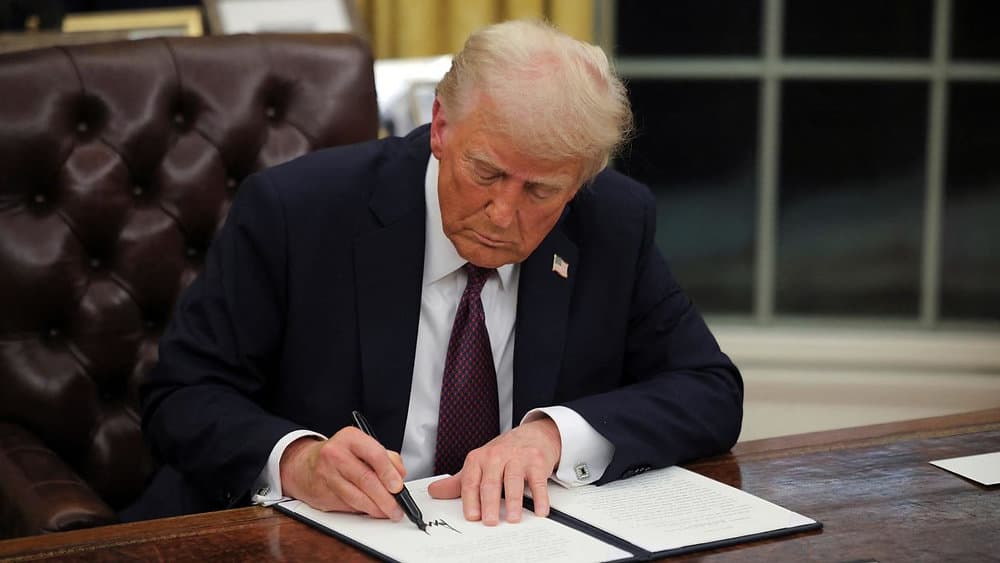
Trump cracks down on English-proficiency among truck drivers in new executive order
On April 28, 2025, President Donald J. Trump signed an Executive Order titled “Enforcing Commonsense Rules of the Road for America’s Truck Drivers." For trucking companies, drivers, and safety professionals, the order represents a significant shift in federal policy, particularly in its rigorous enforcement of English proficiency requirements for commercial motor vehicle (CMV) operators. In this article, we summarize the executive order, explore its implications, and provide historical context,
Brandon Wiseman
Arkansas enacts new English proficiency law
On April 14, 2025, Arkansas passed Act 604 into law, a sweeping piece of legislation that reshapes the landscape for commercial driver’s license holders operating within the state. The law introduces rigorous requirements aimed at ensuring safety and compliance on Arkansas highways. It mandates that drivers with foreign commercial driver’s licenses possess valid U.S. work authorization, demonstrate proficiency in the English language, and face stiff penalties for presenting fraudulent licenses.
Brandon WisemanNever Miss an Update
Get in-depth DOT compliance articles and breaking regulatory news delivered right to your inbox
Join thousands of safety professionals staying informed on DOT compliance