
Expert Insights on DOT Compliance
In-depth analysis, regulatory updates, and practical compliance guidance from transportation attorneys and industry experts.

FMCSA Suspends USDOT Inactivations for Missed Biennial Updates During MOTUS Rollout
FMCSA has temporarily suspended USDOT number inactivations for missed biennial updates as carriers transition to the new MOTUS registration system. Here's what carriers need to know and do right now.
 Brandon Wiseman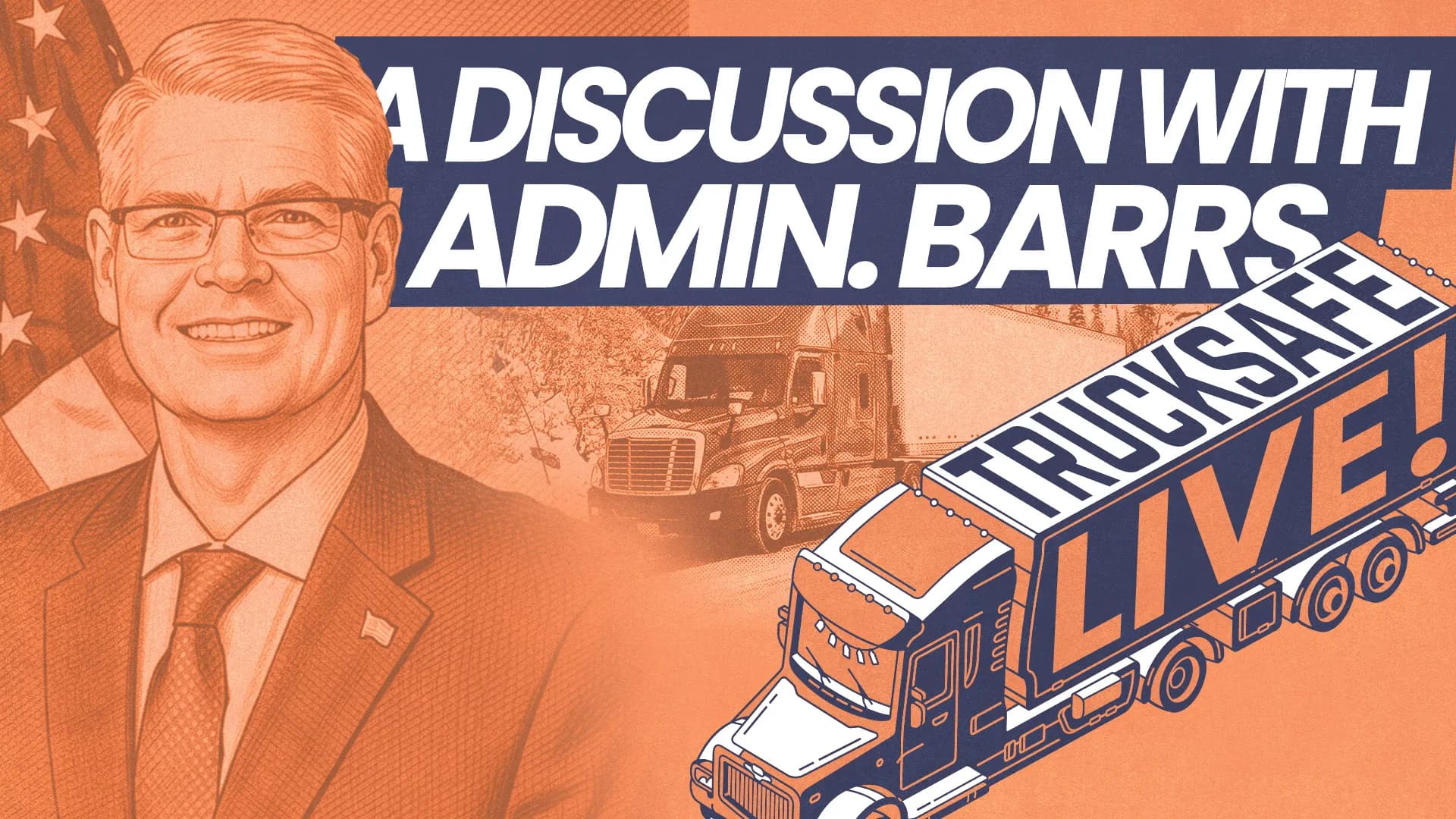
Trucksafe LIVE! | Ep. 63 - A Discussion with Administrator Barrs
In this episode, we’re joined by FMCSA Administrator Derek Barrs to discuss the agency’s regulatory and enforcement priorities, the status of the MOTUS rollout, and more!
Brandon Wiseman
The Open Door Policy That Broke American Trucking
Indiana’s revocation of nearly 2,000 non-domiciled CDLs has sparked national attention, but focusing only on immigration misses the deeper issue. This article argues that the real problem is a decades-long erosion of entry standards across the trucking industry, driven by deregulation, self-certification, and a misplaced “driver shortage” narrative. From carrier authority and broker licensing to ELDT, ELDs, and medical certification, the system increasingly relies on trust where verification is needed. The result is an industry flooded with underqualified participants and a compliance framework struggling to keep up.
 Rob Carpenter
How reported fleet size impacts compliance
The MCS-150 form, a mandatory filing with the Federal Motor Carrier Safety Administration (FMCSA), serves as a cornerstone of regulatory compliance for motor carriers operating in interstate commerce. This biennial report, or sooner if significant changes occur, requires carriers to provide critical operational details, including the number of power units—trucks, tractors, or buses—they own or operate, commonly referred to as the vehicle count or fleet size. This seemingly straightforward figure
Brandon Wiseman
Who is subject to hazmat registration and training rules?
Operating large trucks and buses on public highways can be dangerous, but adding hazardous materials to the mix can significantly raise the stakes and warrants extra caution. At Trucksafe, we talk a lot about the Federal Motor Carrier Safety Regulations (FMCSRs) and how they impact fleets, but we spend less time addressing the Hazardous Materials Regulations (HMRs), an entirely separate body of the federal law. If you transport or otherwise handle hazardous materials, it's imperative you underst
Brandon Wiseman
5 reasons to consolidate DOT#s (and how to do it)
Managing a regulated fleet of commercial vehicles and drivers is a daunting task. Ensuring each and every driver is properly licensed and qu
Brandon Wiseman
What is the Unified Carrier Registration (UCR) program?
Motor carriers and certain other entities engaged in interstate commerce are required to pay annual registration fees through UCR.
Brandon WisemanNever Miss an Update
Get in-depth DOT compliance articles and breaking regulatory news delivered right to your inbox
Join thousands of safety professionals staying informed on DOT compliance