
Broker & Shipper Liability After Montgomery
The Supreme Court's unanimous decision in Montgomery v. Caribe Transport II changed the legal landscape for freight brokers and shippers overnight. Negligent-hiring claims are now firmly on the table — and your team's fluency in FMCSA carrier safety data is the front line of your defense.
What Changed With Montgomery?
For years, freight brokers operated under the assumption that the Federal Aviation Administration Authorization Act (FAAAA) preempted state-law negligent-hiring claims against them. A federal circuit split made the picture murky, with some courts allowing the claims and others tossing them as preempted.
In Montgomery v. Caribe Transport II, LLC, the U.S. Supreme Court resolved the split 9–0, holding that the FAAAA's safety exception preserves state-law negligent-hiring claims against brokers. The practical effect: brokers and shippers can now be sued for the carriers they choose — and a carrier's public FMCSA safety profile is the evidence.
Why This Matters
A reasonable broker or shipper is expected to understand the carrier's safety record before tendering a load. Personnel who select and monitor carriers need fluency in FMCSA's public data sources to defend their decisions.
Who Is Now Exposed?
Freight Brokers
Negligent-hiring claims for selecting carriers with poor safety records are no longer preempted in any circuit.
Shippers
Shippers who directly tender freight to carriers face parallel exposure under the same negligent-selection theories.
3PLs & Logistics Managers
Anyone in the chain of carrier selection — including sales reps, ops coordinators, and compliance analysts — can find their documentation in discovery.
Carrier Safety & Compliance for Brokers and Shippers
A self-paced video course on Trucksafe Academy designed to give broker and shipper personnel the fluency they need to read, interpret, and document FMCSA carrier safety data in a post-Montgomery world.
Course Outline
Click a chapter to view lessonsWho This Course Is For
- Carrier sales reps and carrier development personnel
- Brokerage compliance analysts and vetting specialists
- Operations coordinators, dispatch personnel, and load planners
- Logistics and transportation managers at shipper organizations
- Risk management and supply-chain risk personnel
- New hires in brokerage operations
What You'll Learn
- Read every field on a SAFER Company Snapshot with confidence
- Look up operating authority and insurance filings on FMCSA L&I
- Interpret roadside inspection records and OOS rates
- Calculate and contextualize a carrier's accident rate
- Recognize chameleon carriers and operational red flags
- Document carrier vetting decisions defensibly
Enroll Now
The course is live on Trucksafe Academy. Start the program at your own pace and earn your certificate. Volume pricing is available for brokerage and shipper teams.

Brandon Wiseman, Esq.
Owner & President, Trucksafe | Partner, Childress Law
A transportation attorney with deep experience advising the nation's leading motor carriers and representing them before the FMCSA. Brandon has built his career at the intersection of regulatory compliance, safety program design, and litigation — making him uniquely positioned to teach broker and shipper personnel what FMCSA data actually means and how courts evaluate carrier-selection decisions.
Broker Liability Resources
Background reading, the case itself, and practical guidance for navigating the post-Montgomery environment.
What SCOTUS's Montgomery Decision Means for Carriers
The unanimous ruling means freight brokers can now be sued for negligent hiring under state law — and your CSA BASIC scores and safety rating are the evidence.
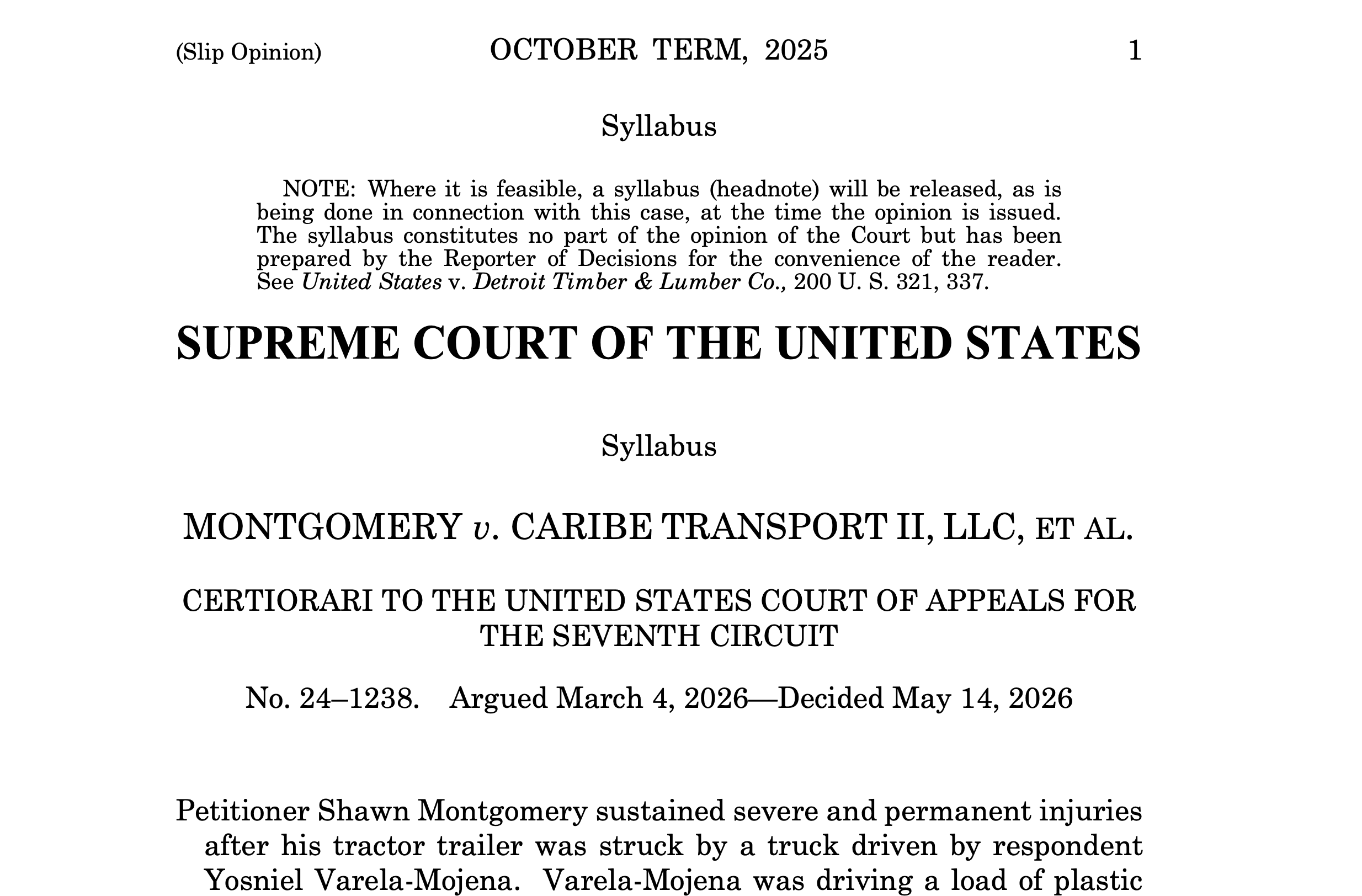
Read the Supreme Court Opinion
Montgomery v. Caribe Transport II, LLC — the full unanimous opinion by Justice Barrett with concurrence by Justice Kavanaugh.
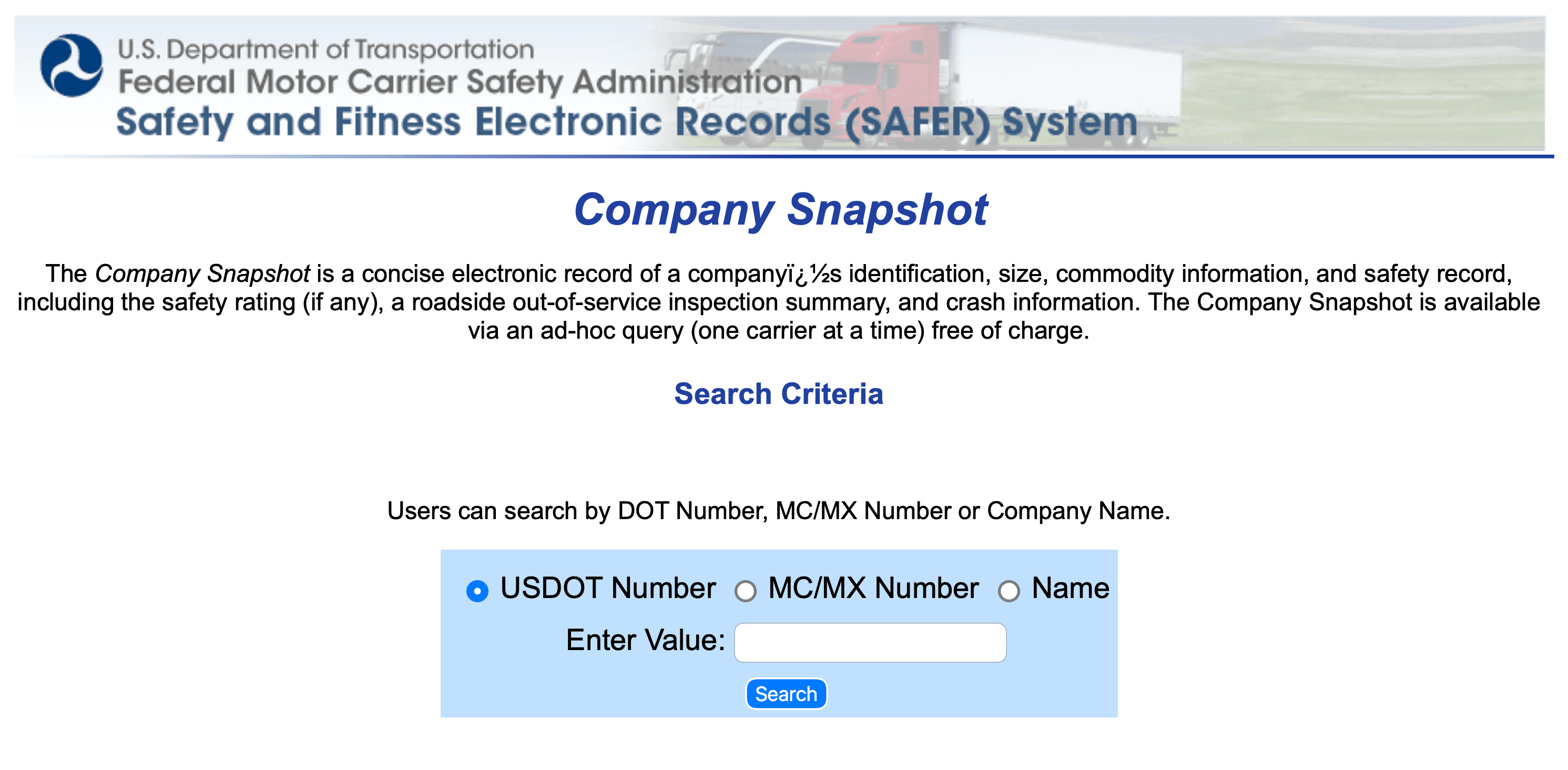
FMCSA SAFER Company Snapshot
The public-facing window into FMCSA carrier data. Search by USDOT number, MC number, or legal name.
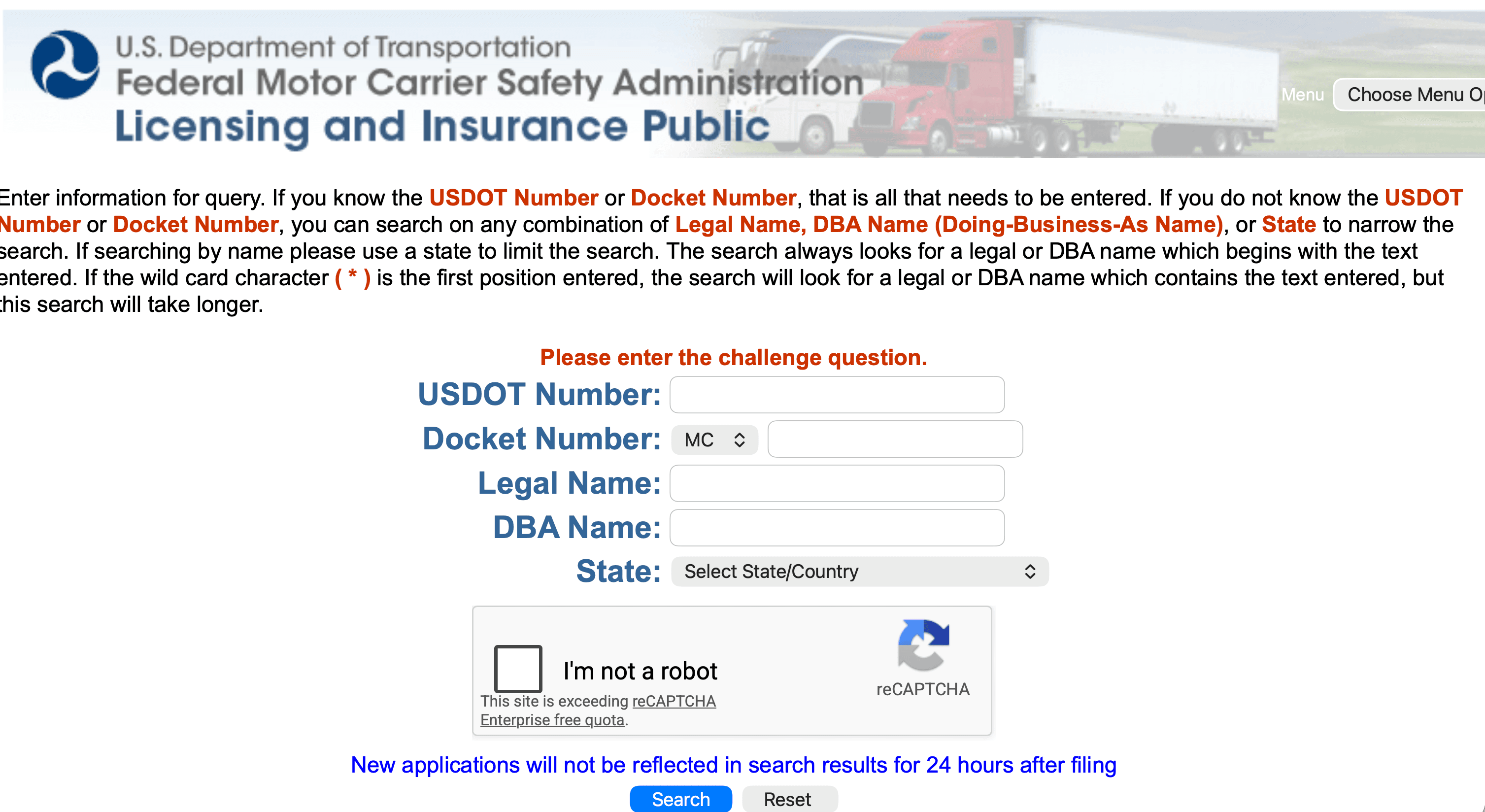
FMCSA Licensing & Insurance
Operating authority history, BMC-91 insurance filings, BOC-3 process agent records, and lapse history.

Vetting Program Consulting
Work directly with our team of transportation attorneys to design, audit, or strengthen your carrier-vetting program.
Broker Liability 101
How negligent-hiring claims against brokers typically play out in litigation, and what carrier-vetting documentation actually does in a courtroom.
The Theory of the Claim
A negligent-hiring (or negligent-selection) claim alleges that the broker or shipper failed to exercise reasonable care in choosing the motor carrier that ultimately caused harm. The plaintiff argues that a reasonable broker would have seen warning signs in the carrier's public FMCSA profile — elevated OOS rates, prior crashes, a Conditional safety rating, lapsed insurance, an unrated new entrant — and would have declined to use that carrier.
The duty of care is borrowed from common-law principles. The breach is measured against what other, similarly-situated brokers do. The damages flow from the underlying crash.
What Plaintiffs' Counsel Will Want in Discovery
- The carrier's SAFER snapshot, inspection records, and crash records at the time of selection.
- The broker's internal carrier-vetting policy and procedures.
- The carrier's file in the broker's carrier-management system — including notes, alerts, and exceptions.
- Emails and chat messages exchanged about the carrier — especially any expressions of concern.
- Training records for the personnel who selected, monitored, or approved the carrier.
What an Effective Defense Looks Like
The strongest defenses are built before the crash, not after. They rest on three pillars:
- A written, followed vetting program. Have a policy. Apply it consistently. Document exceptions and who approved them.
- Trained personnel. Sales reps, ops coordinators, and analysts who understand what they're looking at on SAFER and L&I, and who write notes that hold up under cross-examination.
- Documented data review. A carrier file that shows, in writing, that the relevant public data was reviewed before the load was tendered.
Important Disclaimer
The content on this page is for general informational purposes only and does not constitute legal advice. The post-Montgomery standard of care is still being shaped by juries and lower courts. For advice on your specific situation, consult qualified transportation counsel.
Expert Witness Services for Broker & Shipper Liability
When a broker- or shipper-liability case lands on your desk, Trucksafe's transportation attorneys and safety consultants serve as testifying and non-testifying experts. Our team is regularly engaged by both plaintiff and defense counsel to evaluate the reasonableness of carrier-selection decisions, the adequacy of vetting programs, and the role of public FMCSA data in the chain of causation.
We bring courtroom-ready credentials in transportation law, FMCSR compliance, crash reconstruction, and the operational realities of broker and shipper carrier-vetting programs.
Learn About Our Expert Witness ServicesWhat We Can Assess
As broker and shipper liability claims accelerate post-Montgomery, attorneys engage Trucksafe to evaluate:
- Applicability of the FMCSRs to the broker or shipper at issue
- Risk-based safety vetting processes and industry standards
- Negligent-selection and negligent-hiring theories
- Reasonableness of carrier-selection decisions on the facts
- Documentation patterns and what a reasonable broker would have seen
- Standard-of-care opinions for carriers, brokers, and shippers
Build a Defensible Vetting Program
Whether you need to train your team on FMCSA data, audit your existing carrier-vetting program, or design one from scratch, Trucksafe's transportation attorneys can help.