
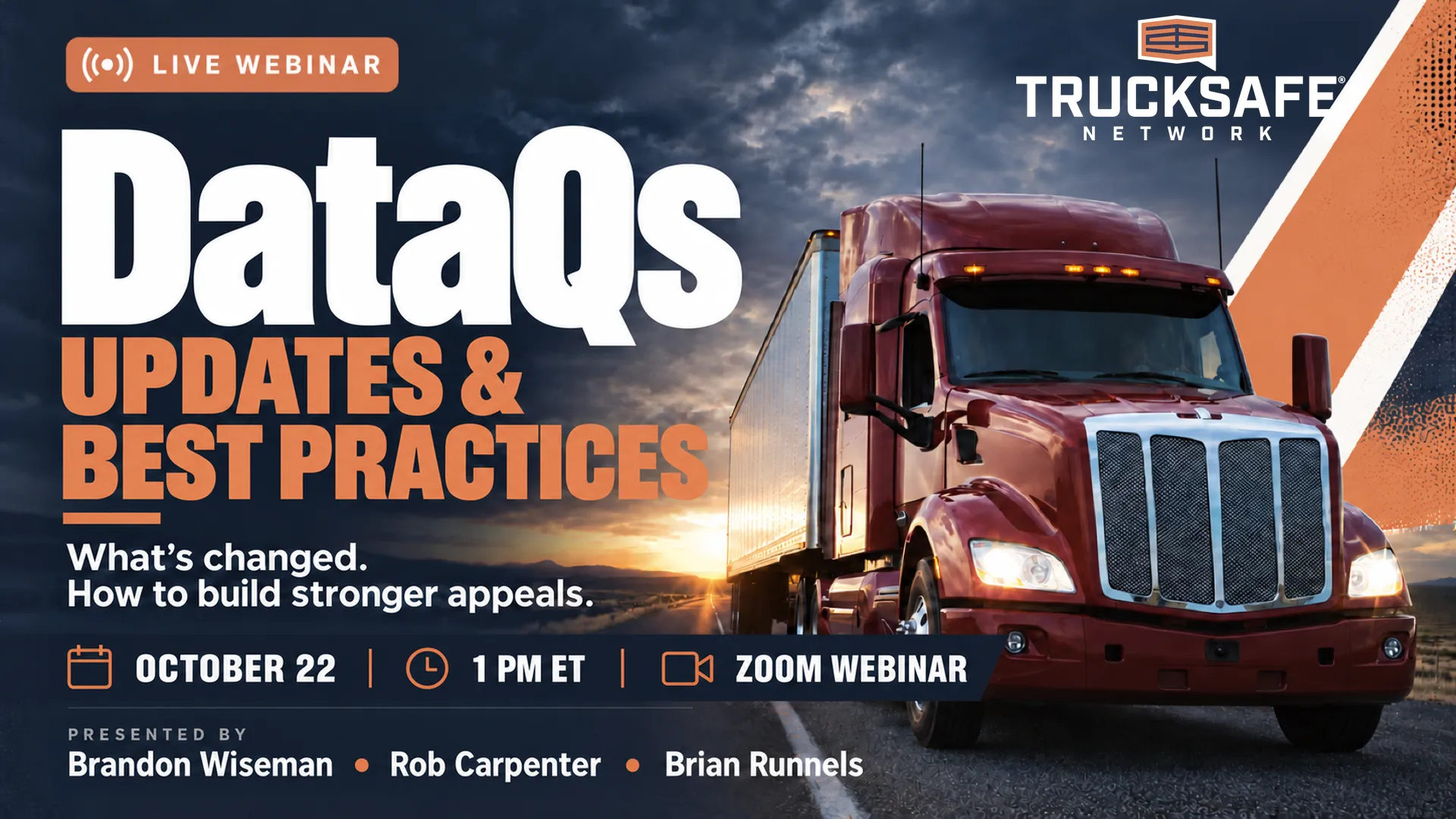
DataQs Updates & Best Practices: What Every Carrier Needs to Know After FMCSA's Nationwide Rollout
FMCSA has finalized a sweeping DataQs overhaul now live in all 50 states — including a mandatory three-stage review process, strict timelines, and new independence requirements. Here's what changed and what it means for your fleet's appeal strategy.
 Brandon Wiseman
Trucksafe Launches New Online Course: Carrier Safety & Compliance for Brokers and Shippers
Trucksafe Academy has launched a new self-paced online course — Carrier Safety & Compliance for Brokers and Shippers — giving freight brokers, shippers, and 3PLs the FMCSA data fluency they need to vet and document carrier selections defensibly in the post-Montgomery legal landscape.
Brandon Wiseman
What SCOTUS’s Montgomery Decision Means for Carriers
The Supreme Court's unanimous ruling in Montgomery v. Caribe Transport II, LLC means freight brokers can now be sued for negligent hiring under state law — and your CSA BASIC scores and safety rating are the evidence. Here is what every motor carrier needs to know and do now.
Brandon Wiseman
FMCSA Finalizes DataQs System Overhaul with State-Level Appeals Process
FMCSA finalizes comprehensive DataQs system overhaul requiring states to implement three-stage independent review process tied to federal highway funding, addressing industry concerns about biased appeals.
Brandon Wiseman
Compliance Theater: When Documentation Replaces Judgment
Many fleets are proud of their documentation. They document driver qualification. They document training. They document inspections, audits, incidents, and corrective actions. They keep complete driver files, run required reports, and maintain records they can be produced quickly when requested. Internally, that documentation often becomes a source of confidence. The thinking goes, if something goes wrong, the paperwork will show we did what we were supposed to do.That belief is understandable.
Brandon Wiseman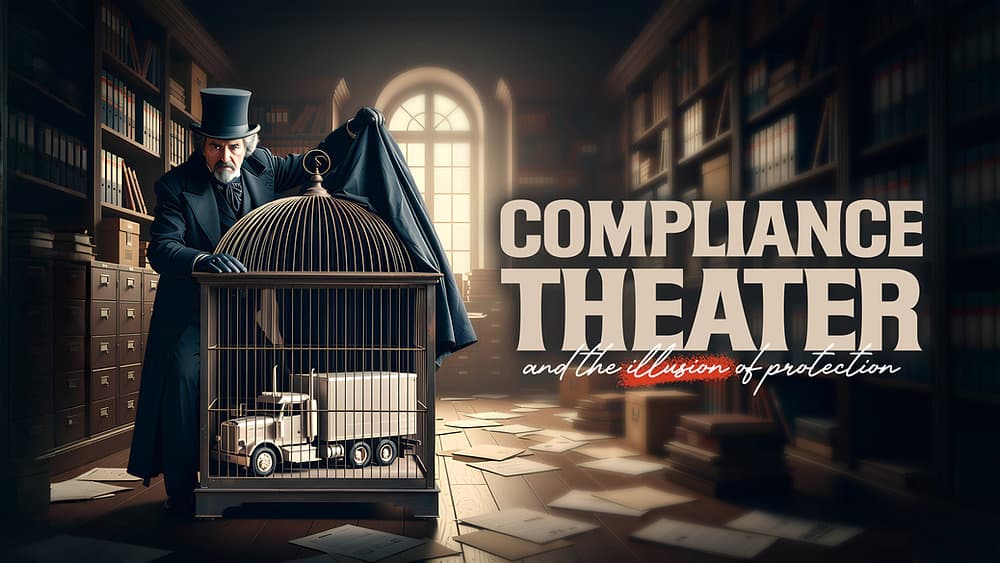
Compliance Theater and the Illusion of Protection
In trucking litigation, safety programs often become evidence. This article explores “compliance theater,” where check-the-box compliance creates records but fails to control risk.
Brandon Wiseman
Top 10 Regulatory Developments Fleets Should Understand Heading Into 2026
If 2024 hinted at regulatory turbulence, 2025 made it impossible to ignore. Over the past year, FMCSA and USDOT unleashed the most aggressive series of compliance initiatives in more than a decade—targeting language proficiency, non-domiciled CDL issuance, electronic logging devices, medical certification, training quality, and core data systems. These moves were not isolated events; collectively, they signaled a larger shift toward enforcement-first policymaking and heightened scrutiny on found
Brandon Wiseman
FMCSA to pursue additional changes to the DataQs system
The Federal Motor Carrier Safety Administration (FMCSA) is set to publish a notice in the Federal Register on July 1, 2025, outlining proposed revisions to the DataQs system, which it originally proposed back in September of 2024 but is now refining based on public comments received. This proposal aims to improve the impartiality, timeliness, transparency, and overall fairness of the Request for Data Review (RDR) process, addressing long-standing concerns from motor carriers, drivers, and indust
Brandon Wiseman
How reported fleet size impacts compliance
The MCS-150 form, a mandatory filing with the Federal Motor Carrier Safety Administration (FMCSA), serves as a cornerstone of regulatory compliance for motor carriers operating in interstate commerce. This biennial report, or sooner if significant changes occur, requires carriers to provide critical operational details, including the number of power units—trucks, tractors, or buses—they own or operate, commonly referred to as the vehicle count or fleet size. This seemingly straightforward figure
Brandon WisemanNever Miss an Update
Get in-depth DOT compliance articles and breaking regulatory news delivered right to your inbox
Join thousands of safety professionals staying informed on DOT compliance