
Expert Insights on DOT Compliance
In-depth analysis, regulatory updates, and practical compliance guidance from transportation attorneys and industry experts.
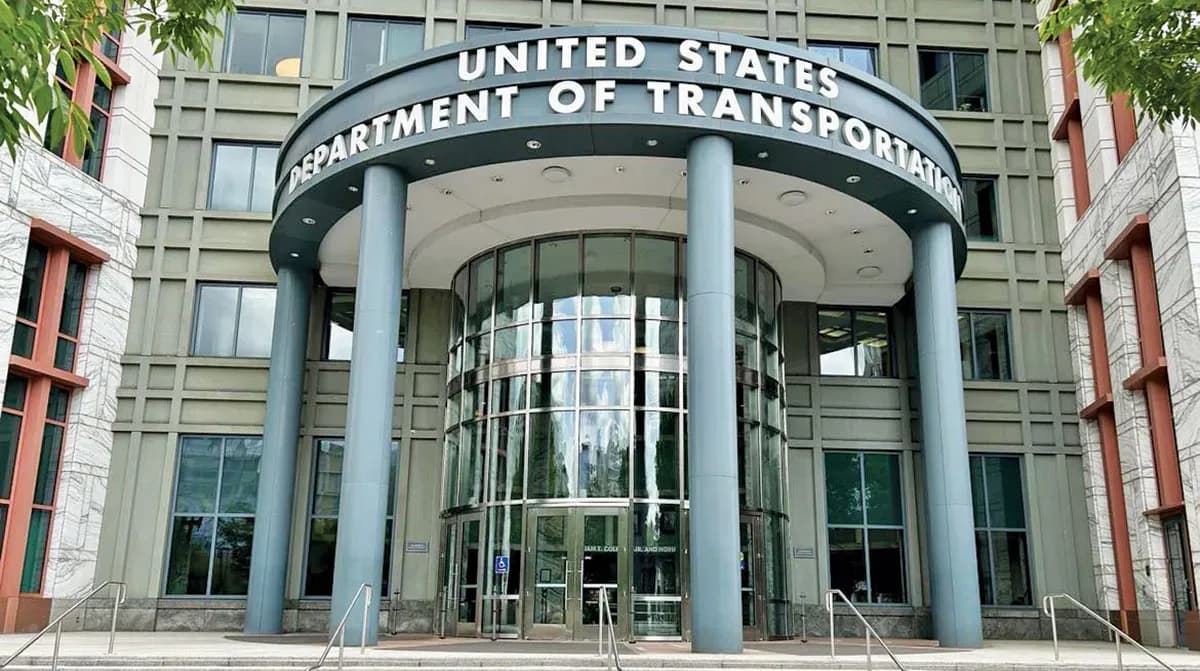
FMCSA's 2026 Regulatory Agenda: Everything Trucking Companies Need to Know
FMCSA has released its 2026 regulatory agenda, covering dozens of rulemakings that will affect driver qualification, ELDs, drug testing, automated vehicles, safety fitness ratings, and more. Here's what every fleet needs to know.
 Brandon Wiseman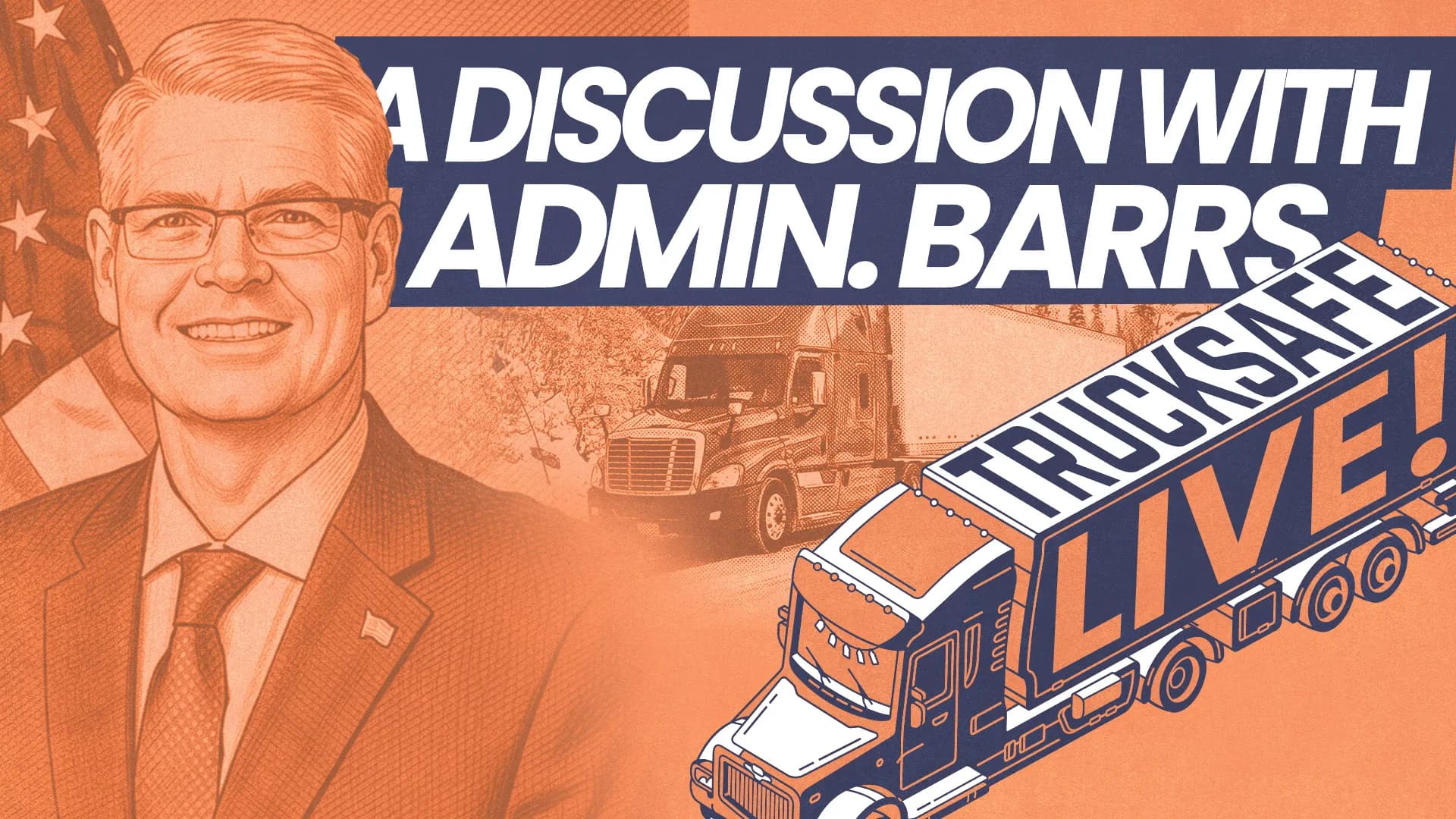
Trucksafe LIVE! | Ep. 63 - A Discussion with Administrator Barrs
In this episode, we’re joined by FMCSA Administrator Derek Barrs to discuss the agency’s regulatory and enforcement priorities, the status of the MOTUS rollout, and more!
Brandon Wiseman
FMCSA Finalizes More Deregulatory Rules
FMCSA has finalized three new deregulatory rules effective July 22, 2026, removing the CDL self-reporting requirement, the in-cab ELD manual requirement, and revising the roadside inspection report return process. Here is what fleets need to know and do.
Brandon Wiseman
eRegs v2 Is Here: A Complete Rebuild of the FMCSR Compliance Platform
eRegs v2, Trucksafe's affiliate FMCSR compliance platform, has launched a complete rebuild featuring a redesigned three-panel reader, full-text search, version history with change tracking, hazmat regulations, and a new Progressive Web App replacing the old native apps.
Brandon Wiseman
Trucksafe Launches New Online Course: Carrier Safety & Compliance for Brokers and Shippers
Trucksafe Academy has launched a new self-paced online course — Carrier Safety & Compliance for Brokers and Shippers — giving freight brokers, shippers, and 3PLs the FMCSA data fluency they need to vet and document carrier selections defensibly in the post-Montgomery legal landscape.
Brandon Wiseman
What SCOTUS’s Montgomery Decision Means for Carriers
The Supreme Court's unanimous ruling in Montgomery v. Caribe Transport II, LLC means freight brokers can now be sued for negligent hiring under state law — and your CSA BASIC scores and safety rating are the evidence. Here is what every motor carrier needs to know and do now.
Brandon Wiseman
DOT: Medical Marijuana Cards Can't Override a Positive Test
ODAPC's May 2026 Part 40 Q&A makes clear that no state medical marijuana card, physician recommendation, or dispensary record can serve as a "legitimate medical explanation" to flip a lab-confirmed positive marijuana test to a negative — even after rescheduling.
Brandon Wiseman
Medicinal Marijuana Is Now Schedule III. For CDL Drivers, the Answer Is More Complicated Than It Should Be.
The DOJ and DEA reclassified state-licensed medical marijuana to Schedule III on April 22, 2026. For CDL drivers, the answer is simple: nothing has changed. Here is what carriers and drivers need to know right now.
Brandon Wiseman
FMCSA to withhold $73M in federal funds from New York
FMCSA withheld $73.5 million from New York after auditors found a 53% failure rate in non-domiciled CDL issuances. Here is what that audit means for your driver qualification files and what you need to do under 49 CFR Part 391.
Brandon WisemanNever Miss an Update
Get in-depth DOT compliance articles and breaking regulatory news delivered right to your inbox
Join thousands of safety professionals staying informed on DOT compliance