
Expert Insights on DOT Compliance
In-depth analysis, regulatory updates, and practical compliance guidance from transportation attorneys and industry experts.
Navigating the Overlap: Federal vs. State Motor Carrier Safety Regulations
I. IntroductionThe regulation of motor carriers in the United States is a complex system involving both federal and state oversight. While the Federal Motor Carrier Safety Regulations (FMCSRs) establish nationwide safety standards for commercial motor vehicles (CMVs) operating in interstate commerce, individual states have the authority to regulate intrastate motor carriers within their borders. This dual regulatory structure often creates challenges for carriers trying to maintain compliance ac
 Brandon Wiseman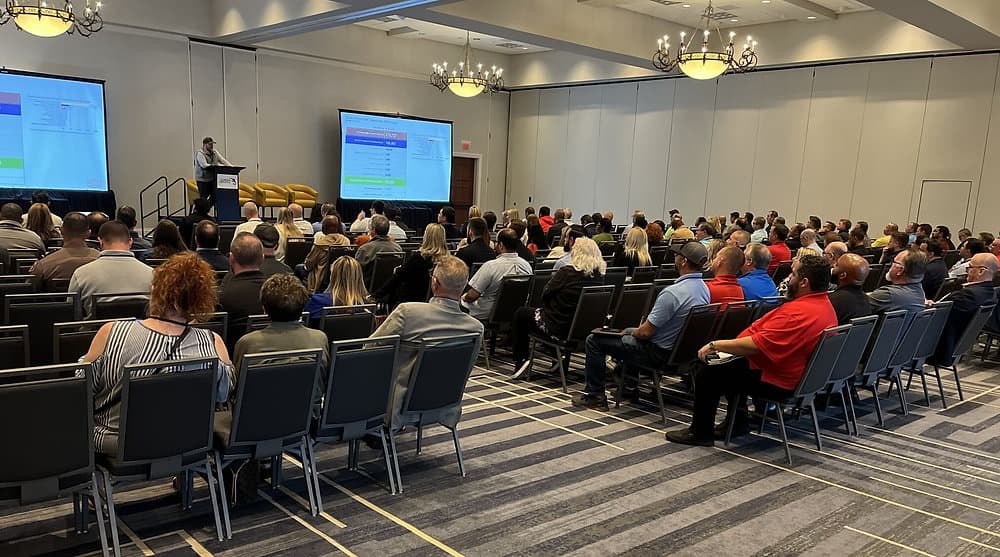
FMCSA Regulatory Update: Key Takeaways from the Florida Trucking Association Safety Summit
On February 20, 2025, Trucksafe president Brandon Wiseman presented an FMCSA Regulatory Update at the Florida Trucking Association’s Safety Summit in Tampa. The presentation provided an overview of recent and upcoming regulatory developments, enforcement trends, and compliance considerations for the trucking industry. Below is a summary of the key topics discussed.Download the slides from Brandon's presentation below:FMCSA Enforcement SummaryFMCSA enforcement activity remains robust, with 2.9 mi
Dispelling 5 common DOT compliance myths
Achieving DOT compliance can be tricky. Even seasoned safety professionals occasionally fall prey to some regulatory assumptions that aren’t quite true. Unfortunately, these misconceptions can lead to costly violations, increased exposure, and unnecessary headaches for trucking companies and their drivers.At Trucksafe, we help motor carriers navigate the complex web of federal and state safety regulations. In this article, we’ll debunk five of the most common DOT compliance myths to help you sta
Brandon Wiseman
Understanding FMCSA's Oilfield Exemptions
The Federal Motor Carrier Safety Regulations (FMCSRs) under 49 CFR 395.1(d) provide specific exemptions tailored for oilfield operations, commonly referred to as the "oilfield exemptions." These exemptions recognize the unique demands of the oil and gas industry and offer flexibility to drivers engaged in particular oilfield activities. This article delves into the two primary exemptions, detailing their applicability, offering practical usage tips, and highlighting potential pitfalls to avoid.U
Brandon Wiseman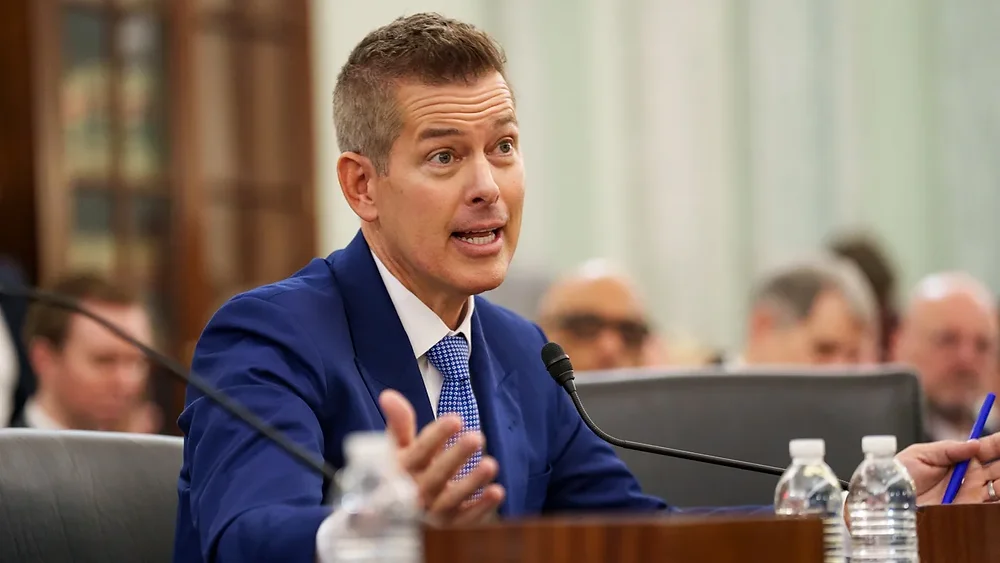
U.S. Senate confirms Sean Duffy as Secretary of Transportation
On January 28, 2025, the U.S. Senate confirmed Sean Duffy as the new Secretary of Transportation, marking a significant appointment in President Donald Trump’s administration. Duffy, a former U.S. Representative from Wisconsin, brings a diverse background to the role, encompassing law, politics, media, and even reality television. His confirmation has garnered attention across various sectors, particularly within the trucking industry.Duffy's BackgroundBorn on October 3, 1971, in Hayward, Wiscon
Brandon Wiseman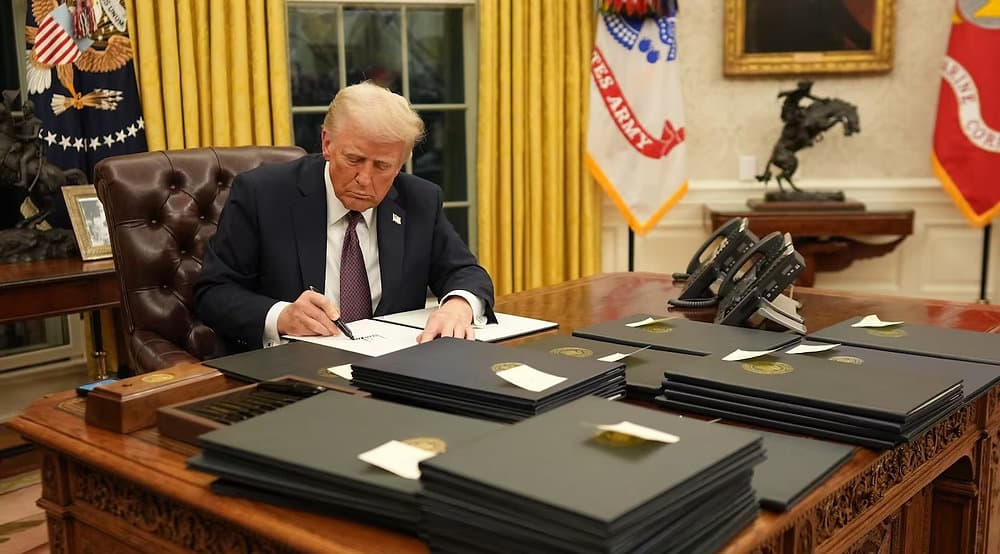
Trump enacts regulatory freeze: What it means for trucking
Among his first official acts while in office, President Donald Trump issued an executive order titled “Regulatory Freeze Pending Review,” initiating a comprehensive halt on federal rulemaking activities across executive departments and agencies. This directive mandates a thorough review of all pending regulations, including those promulgated by the Federal Motor Carrier Safety Administration (FMCSA) and other agencies under the USDOT’s umbrella. Regulatory freezes are not unprecedented. In fact
Brandon Wiseman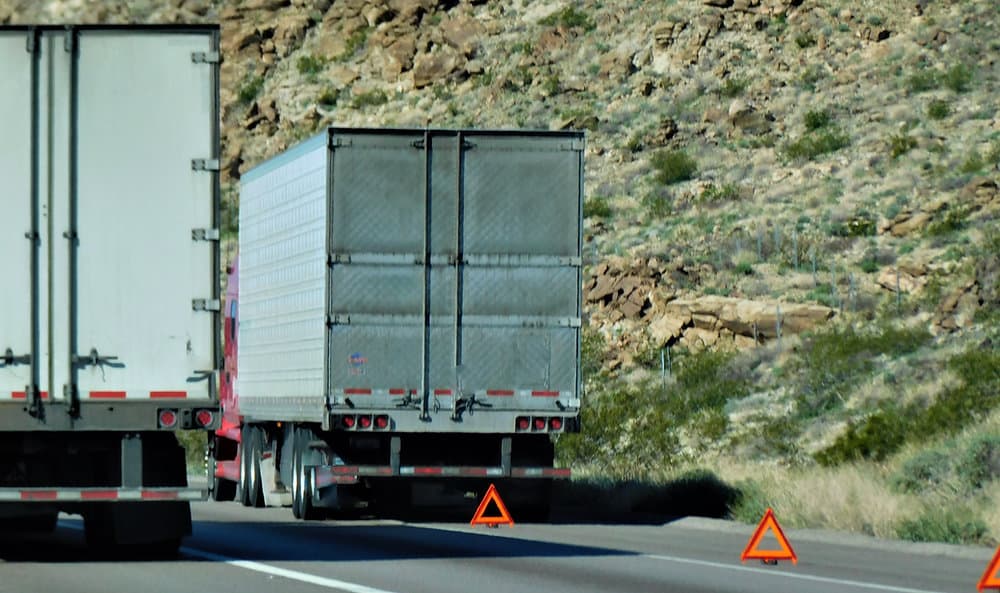
FMCSA to undertake new study on effectiveness of warning devices for stopped CMVs
The Federal Motor Carrier Safety Administration (FMCSA) has announced its intention to conduct a new study to evaluate the effectiveness of warning devices for parked or disabled commercial motor vehicles (PDCMVs). This initiative would be a step forward in advancing road safety for commercial motor vehicles (CMVs) and underscores FMCSA’s ongoing commitment to mitigating crash risks in increasingly complex driving environments.The Importance of Warning Devices for PDCMVsStopped or disabled CMVs
Brandon Wiseman
What should fleets expect with a Republican Administration in 2025?
As the U.S. heads toward a presidential transition from a Democrat to a Republican administration in January 2025, fleet managers and industry leaders are preparing yet again for potential shifts in regulatory focus. The Federal Motor Carrier Safety Administration (FMCSA), in particular, plays a crucial role in shaping the trucking industry, affecting compliance, safety, and operational standards for motor carriers nationwide. And like other federal agencies, the FMCSA and its policies are heavi
Brandon Wiseman
Who is qualified to perform DOT annual and brake inspections?
It’s no secret those who operate commercial motor vehicles (CMVs) on public highways have a regulatory responsibility to ensure those vehicles are in a safe operating condition at all times. Under federal and many state laws, this is accomplished through a combination of daily driver walkaround inspections (e.g., pre-, post-, and en route inspections) and more thorough periodic inspections conducted by qualified inspectors. Of course, these inspections are critical to minimizing maintenance-rela
Brandon WisemanNever Miss an Update
Get in-depth DOT compliance articles and breaking regulatory news delivered right to your inbox
Join thousands of safety professionals staying informed on DOT compliance