
Expert Insights on DOT Compliance
In-depth analysis, regulatory updates, and practical compliance guidance from transportation attorneys and industry experts.
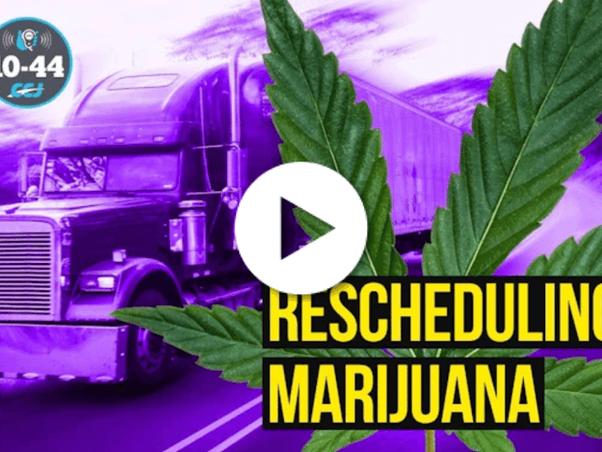
Trucksafe joins CCJ to discuss impact of marijuana rescheduling for trucking
Trucksafe’s Brandon Wiseman recently joined CCJ’s 10-44 podcast to discuss how the Drug Enforcement Administration’s proposal to reschedule marijuana as a Schedule III drug could impact DOT drug testing. Check out the article here or the video below!
When are drivers eligible for a 16-hour driving window?
If you're a property-carrying motor carrier or driver, you're undoubtedly familiar with the so-called 14-hour rule, which requires commercial drivers to complete all their driving activities within the first 14 hours of first coming on duty following a 10 consecutive hour off-duty break. See 49 CFR 395.3(a)(2). It's one of the fundamental hours limitations contained within the broader hours-of-service rules in Part 395 of the Federal Motor Carrier Safety Regulations (FMCSRs), along with others l
 Brandon Wiseman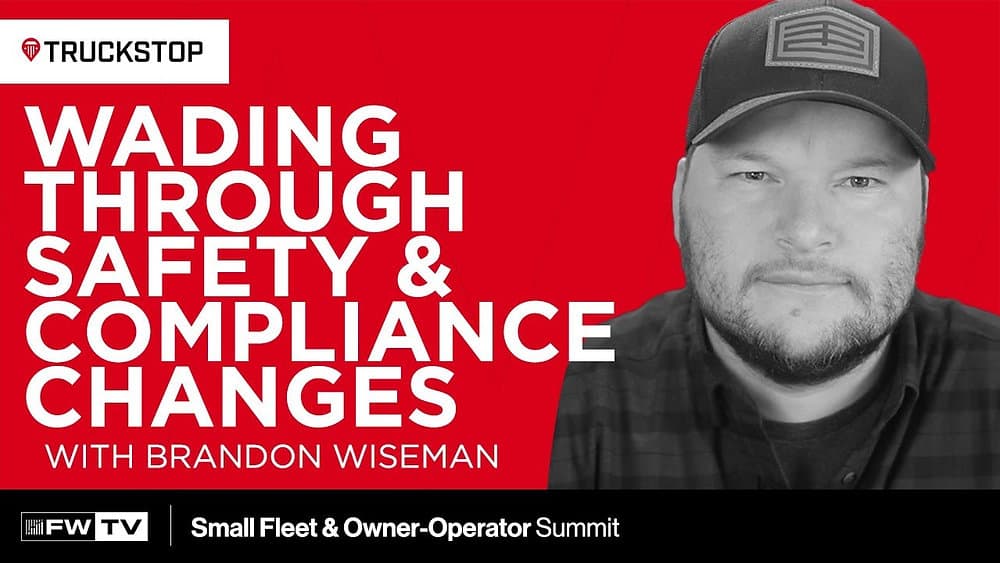
Trucksafe's Wiseman discusses rule changes at FreightWaves event
Trucksafe's president Brandon Wiseman recently presented at FreightWave's Small Fleet & Owner Operator Summit on upcoming FMCSA rulemaking initiatives and what they could mean for fleets and drivers. Topics discussed: • Speed limiters • Safety ratings • CSA scores • FMCSA staffingCatch the replay below! About Trucksafe Consulting, LLC: Trucksafe Consulting is a full-service DOT regulatory compliance consulting and training service. We help carriers develop, implement, and improve their safety p
Understanding DOT road tests
Ensuring commercial drivers are properly qualified to operate heavy trucks or buses is a major part of complying with federal and state motor carrier safety regulations. That shouldn't come as a surprise since defects in drivers' qualifications routinely contribute to significant accidents. Indeed, Part 391 of the federal safety regulations contains dozens of rules carriers must follow before allowing an individual to operate a commercial vehicle on public highways. Things like pre-employment dr
Brandon Wiseman
Trucksafe's Brandon Wiseman featured by FleetOwner in article on 2024 regulatory outlook
Trucksafe's president Brandon Wiseman joined FleetOwner magazine for a two-part series on upcoming rulemaking activities likely to impact regulated fleets in 2024. In the article, Wiseman highlights the following issues and how they could affect motor carriers this year: • Revisions to Safety Measurement System (CSA scores) • Changes to safety rating methodology • Expansion of Crash Preventability Determination Program • DataQs independent appeals board • New entrant knowledge exam • Oral fluid
2023 regulatory year-in-review & 2024 outlook
2023 was a big year for trucking and a fairly busy one for regulators. We saw a lot of new proposed rule changes from the Federal Motor Carrier Safety Adminstration (FMCSA), particularly around their various enforcement mechanisms like safety ratings and CSA scores. With 2023 coming to a close, we're taking a look back at the most significant DOT-related regulatory initiaves from the past year and looking forward to what's in store for next year. 2023 Year In ReviewAs noted, the FMCSA was fairly
Brandon Wiseman
Understanding FMCSA verifications of employment
Vetting commercial drivers to ensure they are properly qualified is one of the foundational regulatory obligations placed on motor carriers by federal and state safety regulations. As we've discussed in other articles, there's a lot that goes into qualifying drivers. But there's one aspect of driver qualification in particular that seems to cause quite a bit of confusion, and that's the so-called "verification of employment" or "safety performance history request" process. In this article, we br
Brandon Wiseman
5 things fleets can do today to significantly reduce risk
In addition to operational concerns, regulated trucking companies are tasked with navigating a complex web of responsibilities, with the safety of their drivers, cargo, and the motoring public firmly at the core. And it's no secret that fleets have a big target on their back when things go sideways. The consequences of non-compliance and unsafe operations are severe, with fleet-wide shutdowns and multi-million dollar jury verdicts becoming increasingly common. Fortunately, there are ways to sign
Brandon Wiseman
Drug & alcohol testing for student drivers
The first foray into trucking for many commercial drivers is some type of truck driving or CDL school. These institutions provide a valuable service and mission-critical training to these prospective drivers, helping to ensure they are equipped with the foundational knowledge and skills to safely operate large trucks and buses. CDL schools took on an even more prominent role in the industry with the Entry Level Driver Training (ELDT) rules that took effect in 2022. One question you'll occasional
Brandon WisemanNever Miss an Update
Get in-depth DOT compliance articles and breaking regulatory news delivered right to your inbox
Join thousands of safety professionals staying informed on DOT compliance