
Expert Insights on DOT Compliance
In-depth analysis, regulatory updates, and practical compliance guidance from transportation attorneys and industry experts.

FMCSA Suspends USDOT Inactivations for Missed Biennial Updates During MOTUS Rollout
FMCSA has temporarily suspended USDOT number inactivations for missed biennial updates as carriers transition to the new MOTUS registration system. Here's what carriers need to know and do right now.
 Brandon Wiseman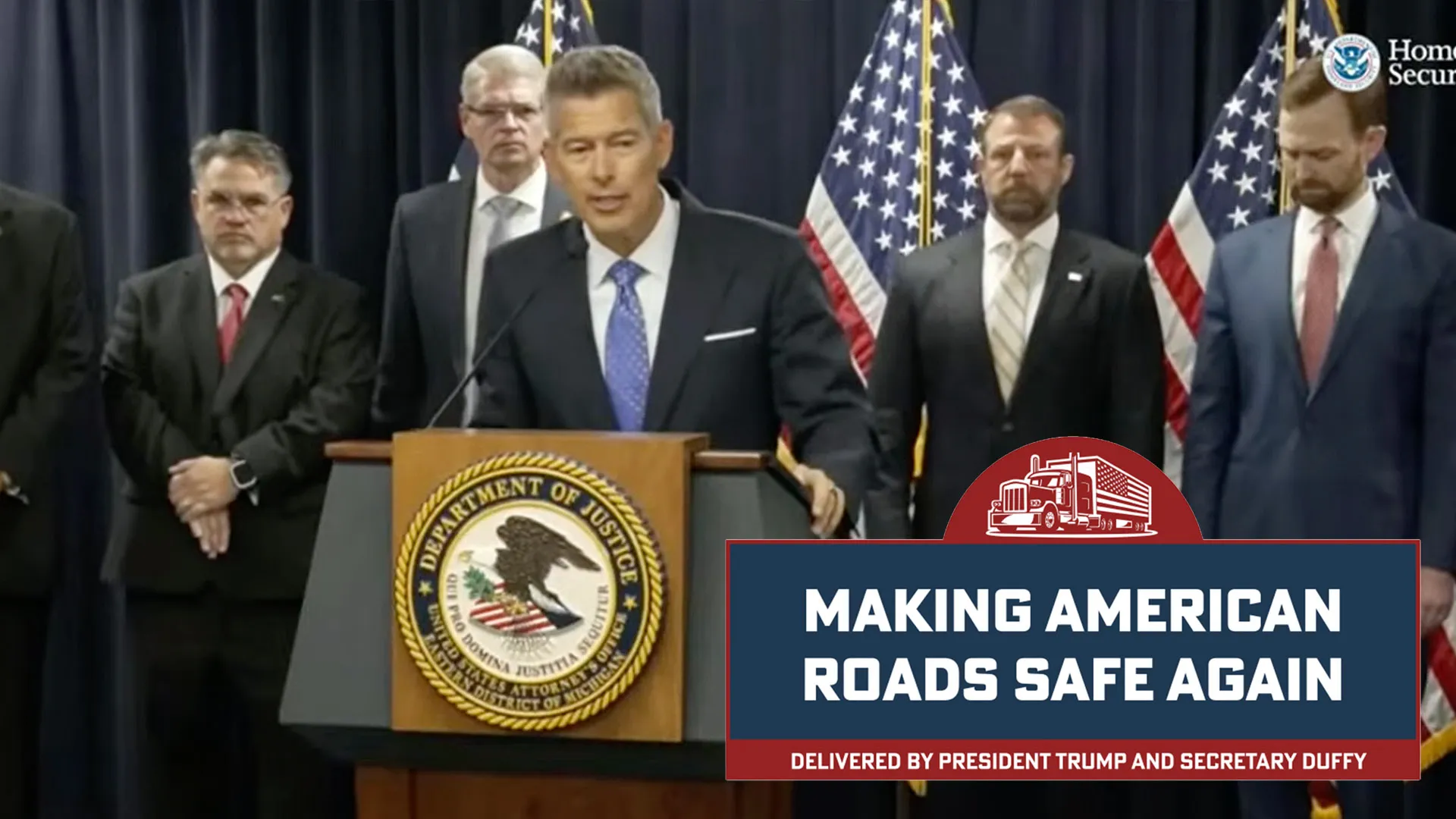
Federal Government Launches Historic Interagency Crackdown on CDL Fraud in Trucking
The U.S. Departments of Transportation, Homeland Security, and Justice have launched a historic interagency crackdown on CDL fraud, including emergency removal of 110+ training providers, a 40-state investigation, and formation of the Joint Task Force Crossroads of America. Here's what it means for compliant carriers.
Brandon Wiseman
States Sue FMCSA Over CDLIS Data Demand
Twenty-two states and D.C. have sued FMCSA over a demand for 17 million CDLIS driver records, threatening to shut down CDL issuance nationwide. Here's what the lawsuit means for your fleet and what to watch next.
Brandon Wiseman
Dalilah's Law: What Fleets Need to Know About the Proposed CDL Restrictions
Senator Jim Banks has introduced the Dalilah Law, a bill that would prohibit states from issuing CDLs to individuals who are not U.S. citizens, lawful permanent residents, or holders of certain work visas — and tie compliance to federal DOT funding. Here's what fleet owners and safety directors need to know.
Brandon Wiseman
FMCSA Issues New Guidance Clarifying Non-Domiciled CDL Final Rule Requirements
On February 18, 2026, FMCSA issued new Frequently Asked Questions (FAQs) clarifying its recently finalized rule tightening the issuance of non-domiciled commercial driver’s licenses (CDLs). The guidance provides critical details for states, carriers, and drivers navigating the March 16, 2026 effective date of the final rule, and confirms that the agency is taking an aggressive posture toward enforcing lawful presence requirements and correcting past licensing deficiencies. While much of the atte
Brandon Wiseman
FMCSA Issues Final Rule on Non-Domiciled CDLs
The Federal Motor Carrier Safety Administration (FMCSA) has issued a new final rule on non-domiciled Commercial Learner’s Permits (CLPs) and Commercial Driver’s Licenses (CDLs). Scheduled for publication in the Federal Register on February 13, 2026 (Docket No. FMCSA-2025-0622, RIN 2126-AC98), this rule largely reaffirms the provisions of the September 29, 2025, Interim Final Rule (IFR) with minor clarifications, despite intense legal scrutiny, a court-imposed stay, and thousands of public commen
Brandon Wiseman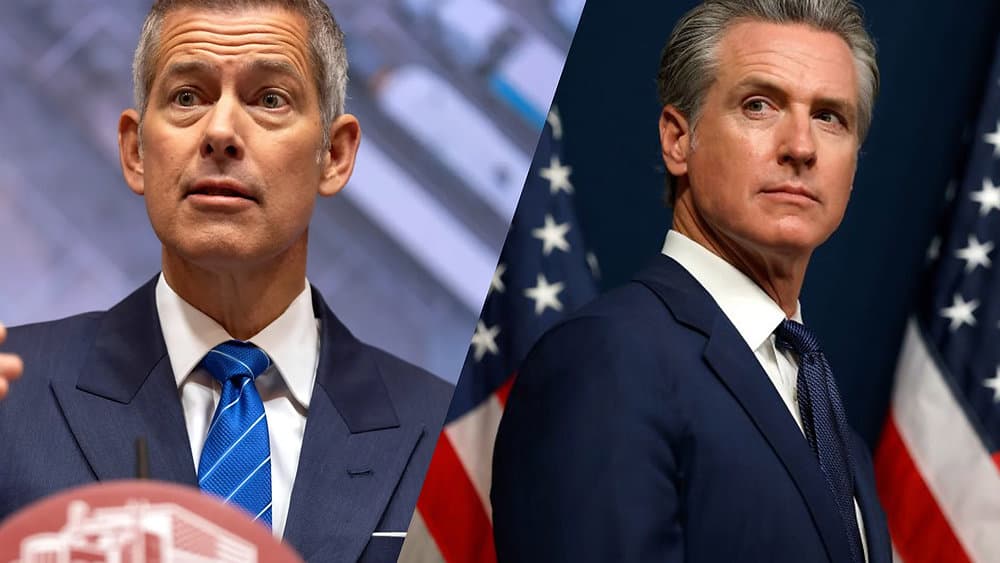
FMCSA escalates feud with California; withholds $160M in federal funding
On January 7, 2026, FMCSA issued a Final Determination of Substantial Noncompliance against the California Department of Motor Vehicles, formally concluding that the state has failed to comply with federal standards governing the issuance of non-domiciled commercial learner’s permits and commercial driver’s licenses. As a result, FMCSA will withhold millions of dollars in federal highway funding beginning in fiscal year 2027.This determination is notable not only for its financial impact, but fo
Brandon Wiseman
CDL Drug Testing Faces Uncertainty After Trump Executive Order
It's official. December 18, 2025, President Donald Trump signed an Executive Order directing the Attorney General to "take all necessary steps to complete the rulemaking process related to rescheduling marijuana to Schedule III of the Controlled Substances Act in the most expeditious manner."For the cannabis industry, it's a landmark moment. For the trucking industry, it's the beginning of a very uncertain chapter, one that hinges entirely on how the Department of Health and Human Services, the
 Rob Carpenter
What Trump’s Marijuana Rescheduling Executive Order Could Mean for Trucking
On December 18, 2025, President Trump signed an executive order directing federal agencies to expand medical marijuana and cannabidiol research and to move marijuana toward rescheduling under the Controlled Substances Act. While the order is framed around science, medicine, and research access, it has once again raised a critical question for the trucking industry: what happens to federal drug testing and highway safety if marijuana is no longer treated as a Schedule I drug?This is not a new con
Brandon WisemanNever Miss an Update
Get in-depth DOT compliance articles and breaking regulatory news delivered right to your inbox
Join thousands of safety professionals staying informed on DOT compliance