
Expert Insights on DOT Compliance
In-depth analysis, regulatory updates, and practical compliance guidance from transportation attorneys and industry experts.
FMCSA Denies FOPT Exemption Request to Allow Paper Logs in Place of ELDs
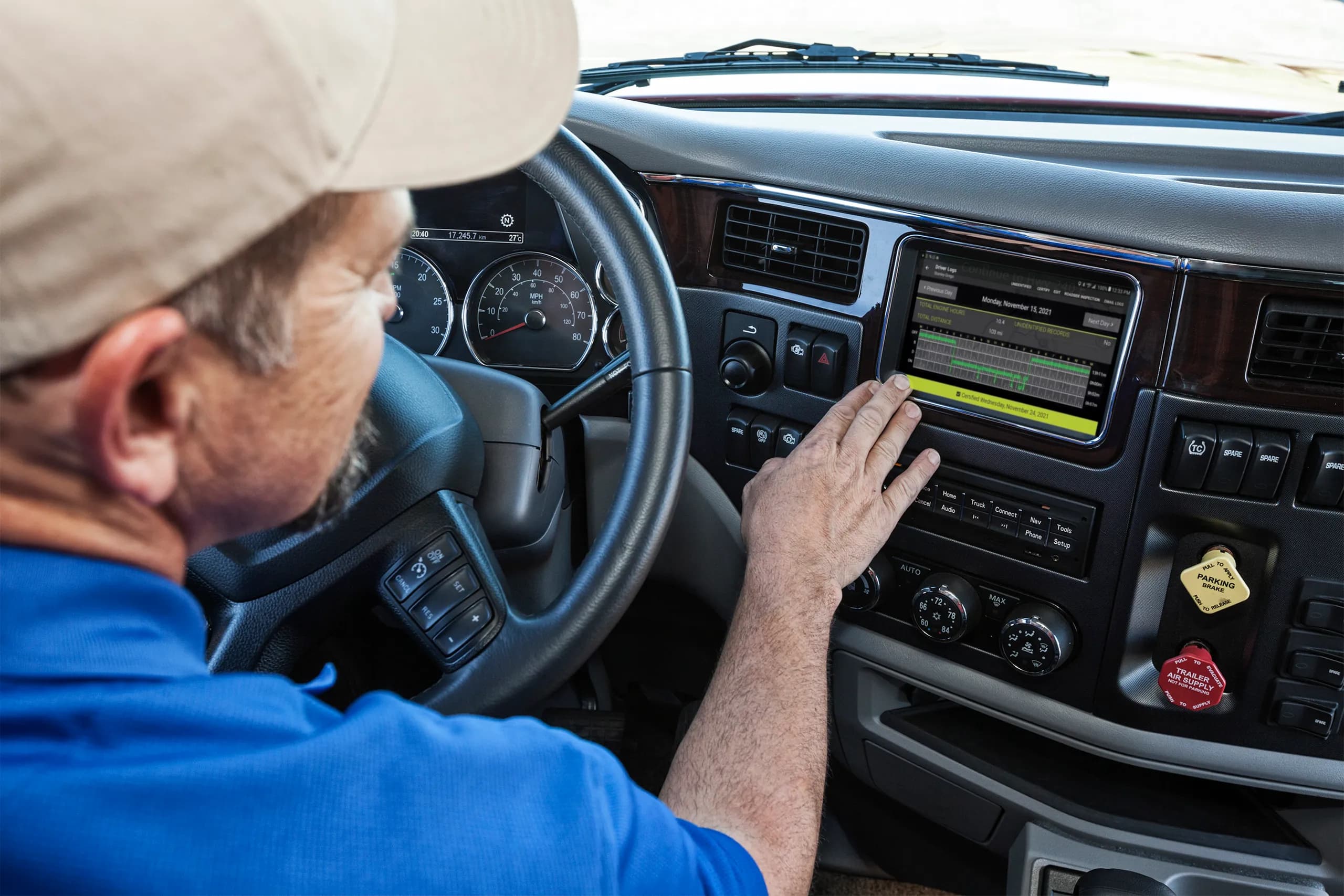
FMCSA has officially denied the Federation of Professional Truckers' application to allow drivers to use paper logs instead of ELDs, citing a congressional mandate under MAP-21 and the applicant's failure to demonstrate safety equivalency.
 Brandon Wiseman
FMCSA to tighten ELD self-certification process
The Federal Motor Carrier Safety Administration has announced a significant shift in how it evaluates and approves Electronic Logging Devices (ELDs), marking the most substantial change to the approval process since the ELD mandate first took effect. While the agency continues to stop short of a full third-party certification program—similar to the one now used in Canada—its move toward a more structured, hands-on vetting approach signals a notable evolution in federal oversight of the ELD marke
Brandon Wiseman
FMCSA Proposes Pilot Programs for Hours of Service Flexibility
As announced previously by USDOT Secretary Sean Duffy as part of the agency's Pro-Trucker Initiatives, the Federal Motor Carrier Safety Administration is moving ahead with two new pilot programs. Sheduled for publication in the Federal Register on September 17, 2025, FMCSA is proposing two pilot programs aimed to address longstanding challenges faced by property-carrying truck drivers: unreasonable detention times at shippers and receivers, traffic congestion, and the rigid constraints of curren
Brandon Wiseman
Understanding FMCSA's Oilfield Exemptions
The Federal Motor Carrier Safety Regulations (FMCSRs) under 49 CFR 395.1(d) provide specific exemptions tailored for oilfield operations, commonly referred to as the "oilfield exemptions." These exemptions recognize the unique demands of the oil and gas industry and offer flexibility to drivers engaged in particular oilfield activities. This article delves into the two primary exemptions, detailing their applicability, offering practical usage tips, and highlighting potential pitfalls to avoid.U
Brandon Wiseman
Advanced Guide to the Split Sleeper Berth Rule: Maximizing Driving Flexibility and Efficiency
For commercial drivers, the split sleeper berth rule offers essential flexibility, especially when faced with unpredictable schedules, long detention times, and strict hours-of-service (HOS) limits. However, the rule’s complexity can make it challenging to implement correctly. In a previous article, we broke down the basic mechanics of the split sleeper rule. In this article, we’ll dive even deeper into the topic with some more complex examples and how drivers can best levarage the split sleepe
Brandon Wiseman
When are drivers eligible for a 16-hour driving window?
If you're a property-carrying motor carrier or driver, you're undoubtedly familiar with the so-called 14-hour rule, which requires commercial drivers to complete all their driving activities within the first 14 hours of first coming on duty following a 10 consecutive hour off-duty break. See 49 CFR 395.3(a)(2). It's one of the fundamental hours limitations contained within the broader hours-of-service rules in Part 395 of the Federal Motor Carrier Safety Regulations (FMCSRs), along with others l
Brandon Wiseman
5 lessons from a terrible crash
On March 22, 2024, a concrete pumper truck veered into oncoming traffic on State Highway 21 in Texas, striking a school bus full of children and ultimately killing a 5 year-old and an adult. At the time of the crash, the bus was transporting 44 children and 11 adults home from a field trip to the Texas Zoo. According to reports, the driver of the concrete truck, 42 year-old Jerry Hernandez, admitted to law enforcement he had smoked marijuana the night before the accident, had used cocaine the mo
Brandon Wiseman
Controlling driver log falsifications
In a recent episode of our Trucksafe LIVE! podcast, we tackled the issue of commercial driver log falsification. What exactly are false logs? Log falsification is a misrepresentation of a commercial driver's duty status or driving time on their daily record of duty status. False logs can be deliberate or unintentional. Attempts to conceal substantive hours-of-service violations by mis-logging time are frequent contributors to log falsifications. Misuse of personal conveyance status, mischaracter
Brandon WisemanNever Miss an Update
Get in-depth DOT compliance articles and breaking regulatory news delivered right to your inbox
Join thousands of safety professionals staying informed on DOT compliance