Expert Insights on DOT Compliance
In-depth analysis, regulatory updates, and practical compliance guidance from transportation attorneys and industry experts.
Preparing for Roadside Inspections: A Comprehensive Guide for Fleets and Commercial Drivers
Roadside inspections are a fundamental part of operating commercial motor vehicles (CMVs), ensuring that drivers and their equipment adhere to safety regulations that protect everyone on the road. For fleet managers and commercial drivers, being well-prepared for these inspections can streamline the process, reduce the risk of violations, and maintain a strong safety record. In this article, we break down who conducts these inspections, where they occur, the types involved, how they unfold, what
 Brandon Wiseman
Top 5 roadside violations & how to avoid them
Commercial driving can be a challenging profession with significant responsibilities, especially when it comes to understanding and complying with the multitude of safety regulations that govern these operations. With so many rules to follow, even seasoned drivers can make mistakes that lead to roadside violations. On a recent episode of the Drive podcast by HandledNow, I had the privilege of addressing some of the top regulatory violations incurred by drivers and, more important, how they can a
Brandon Wiseman
Who is qualified to perform DOT annual and brake inspections?
It’s no secret those who operate commercial motor vehicles (CMVs) on public highways have a regulatory responsibility to ensure those vehicles are in a safe operating condition at all times. Under federal and many state laws, this is accomplished through a combination of daily driver walkaround inspections (e.g., pre-, post-, and en route inspections) and more thorough periodic inspections conducted by qualified inspectors. Of course, these inspections are critical to minimizing maintenance-rela
Brandon Wiseman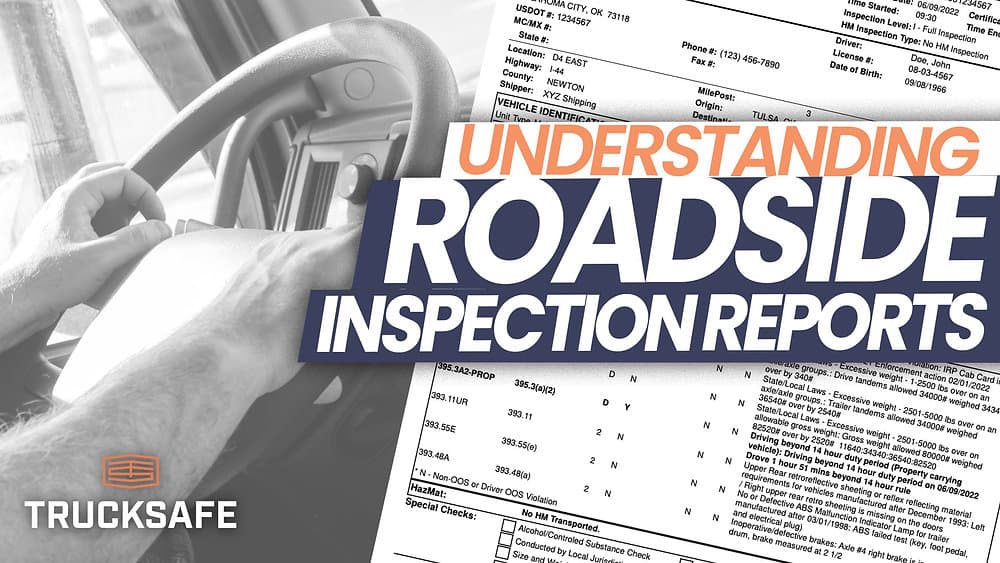
Understanding roadside inspection reports
If you or your commercial driver have been stopped for a roadside inspection, it’s likely you’ve received a Driver/Vehicle Examination Report (DVER), also known as a roadside inspection report. These DVERs are standardized reports prepared by law enforcement following a commercial vehicle and/or driver inspection, which detail the level of inspection performed and any violations discovered. The reports are important for many reasons, so we will break them down line by line in this article. Downl
Brandon Wiseman
5 steps to improve your out of service rates
Out of service rates are important metrics for regulated motor carriers. These rates, which are publicly available on each carrier’s SAFER profile, indicate how frequently a carrier’s vehicles and drivers are being placed out of service (i.e., prohibited from operating) for serious violations during roadside inspections. As we detailed in a previous article, out of service rates are one of five critical safety metrics that fleets should be closely monitoring and working to improve. High rates ca
Brandon Wiseman
FMCSA contemplating electronic vehicle identification tags
Among its flurry of recently-published notices, the Federal Motor Carrier Safety Administration (FMCSA) has announced it is seeking comments on whether the agency should amend its regulations to require "every commercial motor vehicle (CMV) operating in interstate commerce to be equipped with electronic identification (ID) technology capable of wirelessly communicating a unique ID number when queried by a Federal or State motor carrier safety enforcement personnel." The agency's notice is a resp
Brandon Wiseman
FMCSA revives discussion on mandatory state passenger CMV inspections
In a notice soon to be published in the Federal Register, the Federal Motor Carrier Safety Administration (FMCSA) announced it will be reopening comments on its 2016 Advanced Notice of Proposed Rulemaking (ANPRM) concerning mandatory state inspections of certain passenger-carrying commercial motor vehicles (CMVs).In 2016, FMCSA published an ANPRM titled “State Inspection Programs for Passenger-Carrier Vehicles." The ANPRM announced that FMCSA was considering a requirement that States establish a
Brandon Wiseman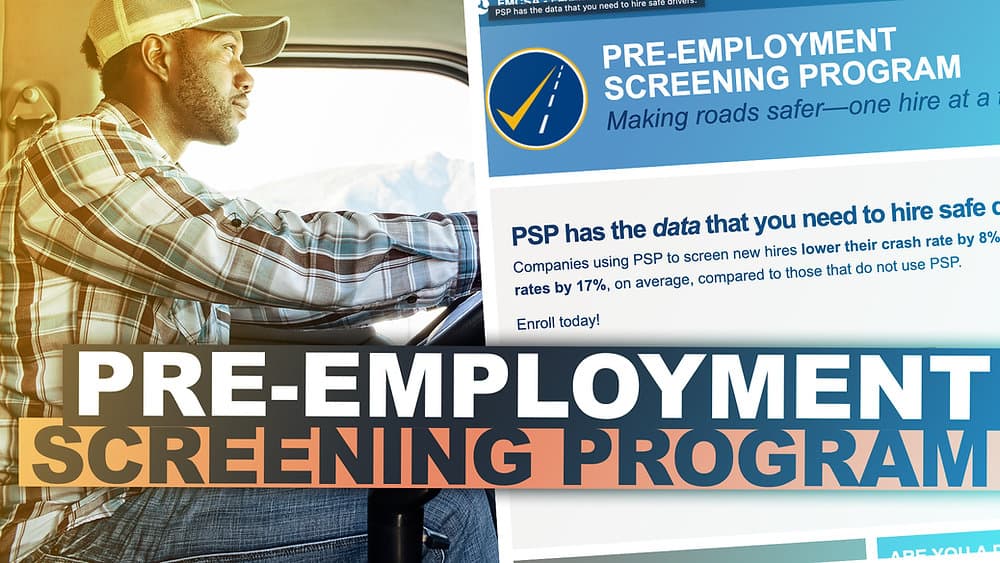
Understanding the Pre-Employment Screening Program (PSP)
At its heart, PSP provides carriers, individual drivers, and industry service providers access to commercial drivers' safety records from th
Brandon Wiseman
FMCSA to require periodic inspections of rear impact guards
The FMCSA has published a final rule requiring carriers to inspect rear impact guards as part of their annual vehicle inspections.
Brandon WisemanNever Miss an Update
Get in-depth DOT compliance articles and breaking regulatory news delivered right to your inbox
Join thousands of safety professionals staying informed on DOT compliance