
Expert Insights on DOT Compliance
In-depth analysis, regulatory updates, and practical compliance guidance from transportation attorneys and industry experts.
Compliance Theater and the Illusion of Protection
In trucking litigation, safety programs often become evidence. This article explores “compliance theater,” where check-the-box compliance creates records but fails to control risk.
 Brandon Wiseman
5 things fleets can do today to significantly reduce risk
In addition to operational concerns, regulated trucking companies are tasked with navigating a complex web of responsibilities, with the safety of their drivers, cargo, and the motoring public firmly at the core. And it's no secret that fleets have a big target on their back when things go sideways. The consequences of non-compliance and unsafe operations are severe, with fleet-wide shutdowns and multi-million dollar jury verdicts becoming increasingly common. Fortunately, there are ways to sign
Brandon Wiseman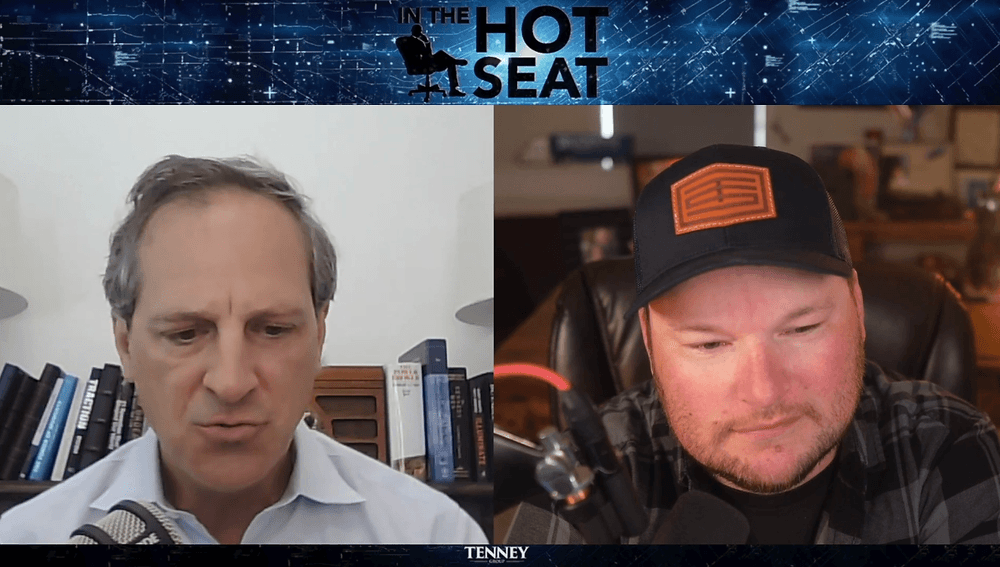
How DOT compliance affects mergers & acquisitions
Trucksafe's president Brandon Wiseman recently joined the Tenney Group's In The Hot Seat podcast to discuss how DOT compliance can impact transportation-related mergers & acquistions. "Not enough private equity groups or carriers, in my experience, are even looking as heavily at DOT compliance as they should be. We encounter so many situations where we are coming in after the fact. A carrier has acquired another motor carrier and now they're coming to us saying ‘we've got all these problems,’ an
When should trucking companies hire a dedicated safety director?
Whether you've just started your motor carrier operation or have been at it for some time, you undoubtedly know that trucking is a heavily regulated industry, and for good reason. Operating large trucks and buses is inherently dangerous. The consequences of unsafe operations can be severe. Navigating the multitude of federal and state safety regulations that govern highway transportation and implementing effective policies and procedures to minimize accidents are tall tasks. And they probably ha
Brandon Wiseman
5 steps to improve your out of service rates
Out of service rates are important metrics for regulated motor carriers. These rates, which are publicly available on each carrier’s SAFER profile, indicate how frequently a carrier’s vehicles and drivers are being placed out of service (i.e., prohibited from operating) for serious violations during roadside inspections. As we detailed in a previous article, out of service rates are one of five critical safety metrics that fleets should be closely monitoring and working to improve. High rates ca
Brandon Wiseman
What are chameleon carriers?
Chameleons--the reptiles, that is--are known for their ability to change their physical appearance to blend into their surroundings. The Federal Motor Carrier Safety Administration (FMCSA), which is primarily responsible for regulating highway safety, has ascribed similar characteristics to nefarious motor carriers who attempt to avoid the consequences of non-compliance by closing up shop and reincarnating under a different name or USDOT number. These so-called "chameleon carriers" believe that
Brandon Wiseman
5 reasons to consolidate DOT#s (and how to do it)
Managing a regulated fleet of commercial vehicles and drivers is a daunting task. Ensuring each and every driver is properly licensed and qu
Brandon Wiseman
5 things to understand about new entrant audits
If you're starting up a new trucking business, you undoubtedly have a lot on your plate! But some things you can't afford to ignore are your compliance-related obligations under the Federal Motor Carrier Safety Regulations (FMCSRs) and any applicable state regulations. Indeed, most newly registered motor carriers end up going out of business within the first year of operations, and too often, noncompliance is the culprit.Highway transportation remains one of the most heavily regulated industries
Brandon Wiseman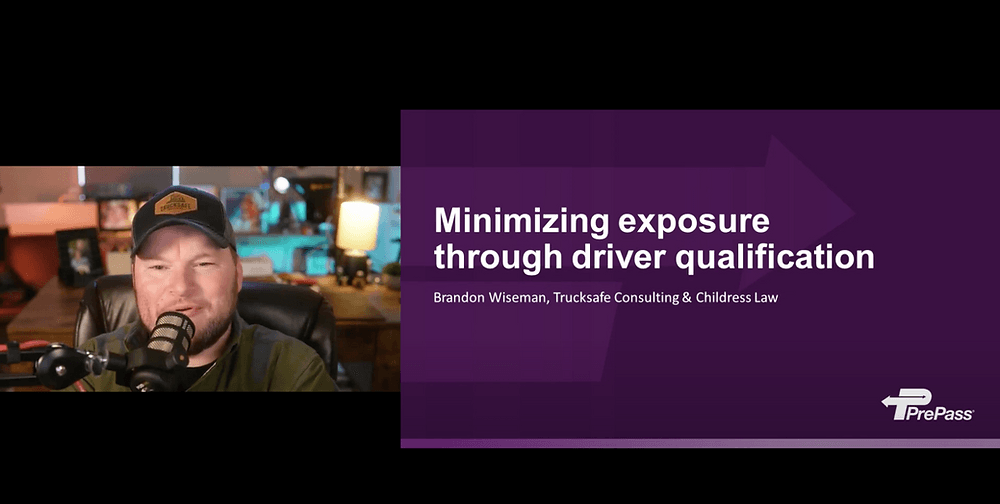
Minimizing exposure through driver qualification
In a recent webinar hosted by FleetOwner and sponsored by PrePass, Trucksafe president Brandon Wiseman discussed practical ways fleets can minimize their exposure to regulatory enforcement and heightened highway accident exposure through their driver qualification processes. In particular, Brandon highlighted the recent and first-ever $1 Billion jury verdict entered against two trucking companies in a Florida case, and the lessons carriers can learn from that accident. Brandon discussed the impo
Never Miss an Update
Get in-depth DOT compliance articles and breaking regulatory news delivered right to your inbox
Join thousands of safety professionals staying informed on DOT compliance