
Expert Insights on DOT Compliance
In-depth analysis, regulatory updates, and practical compliance guidance from transportation attorneys and industry experts.

Trucksafe Launches New Online Course: Carrier Safety & Compliance for Brokers and Shippers
Trucksafe Academy has launched a new self-paced online course — Carrier Safety & Compliance for Brokers and Shippers — giving freight brokers, shippers, and 3PLs the FMCSA data fluency they need to vet and document carrier selections defensibly in the post-Montgomery legal landscape.
 Brandon Wiseman
FMCSA Cleans House: 3,000 CDL Schools Removed from the Training Provider Registry
The Federal Motor Carrier Safety Administration (FMCSA) took long-overdue action this week to clean up the nation’s CDL training landscape. Transportation Secretary Sean Duffy announced that nearly 3,000 training providers have been removed from the federal Training Provider Registry (TPR), and another 4,500 have been placed on notice for noncompliance.That’s 7,500 providers—roughly 17% of the registry—flagged in one sweep. The scale of the problem raises the obvious question: If these providers
Trucksafe launches two new services: Micro Audits & Bootcamp on the Road!
Fleet safety is a vital aspect of the transportation industry, ensuring not just compliance but also the well-being of drivers and the public at large. At Trucksafe, we're thrilled to unveil two new services to help fleets be proactive with compliance and keep themselves out of the crosshairs: Trucksafe Micro Audits and Bootcamp on the Road.Introducing Trucksafe Micro AuditsImagine having a virtual "check-up" for your DOT safety programs, providing you with a quick but comprehensive assessment
Brandon Wiseman
Who is qualified to perform DOT annual and brake inspections?
It’s no secret those who operate commercial motor vehicles (CMVs) on public highways have a regulatory responsibility to ensure those vehicles are in a safe operating condition at all times. Under federal and many state laws, this is accomplished through a combination of daily driver walkaround inspections (e.g., pre-, post-, and en route inspections) and more thorough periodic inspections conducted by qualified inspectors. Of course, these inspections are critical to minimizing maintenance-rela
Brandon Wiseman
Who is subject to hazmat registration and training rules?
Operating large trucks and buses on public highways can be dangerous, but adding hazardous materials to the mix can significantly raise the stakes and warrants extra caution. At Trucksafe, we talk a lot about the Federal Motor Carrier Safety Regulations (FMCSRs) and how they impact fleets, but we spend less time addressing the Hazardous Materials Regulations (HMRs), an entirely separate body of the federal law. If you transport or otherwise handle hazardous materials, it's imperative you underst
Brandon Wiseman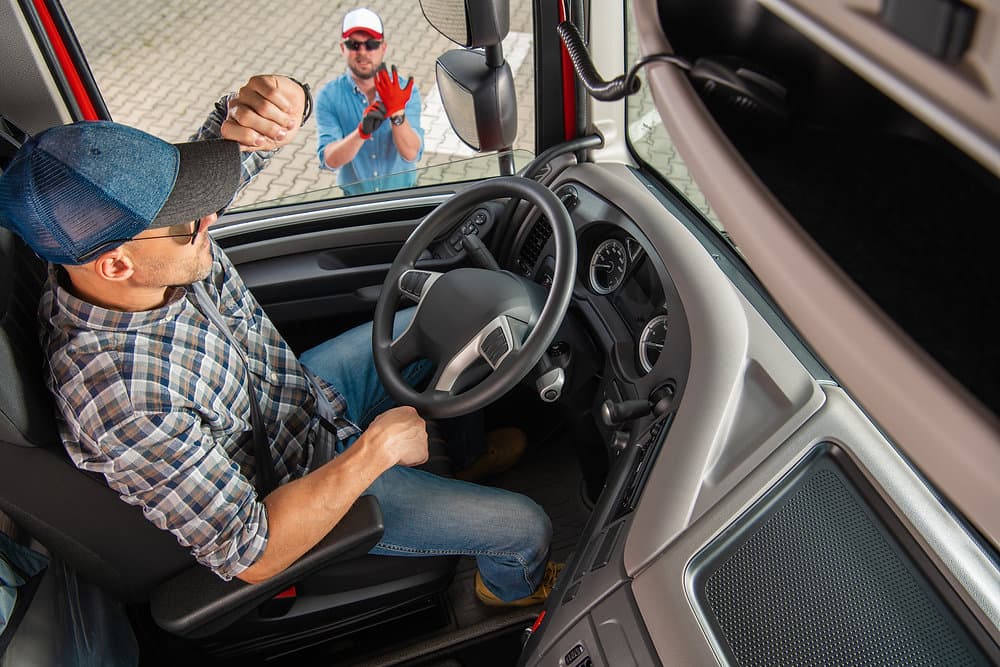
When should trucking companies hire a dedicated safety director?
Whether you've just started your motor carrier operation or have been at it for some time, you undoubtedly know that trucking is a heavily regulated industry, and for good reason. Operating large trucks and buses is inherently dangerous. The consequences of unsafe operations can be severe. Navigating the multitude of federal and state safety regulations that govern highway transportation and implementing effective policies and procedures to minimize accidents are tall tasks. And they probably ha
Brandon Wiseman
5 steps to improve your out of service rates
Out of service rates are important metrics for regulated motor carriers. These rates, which are publicly available on each carrier’s SAFER profile, indicate how frequently a carrier’s vehicles and drivers are being placed out of service (i.e., prohibited from operating) for serious violations during roadside inspections. As we detailed in a previous article, out of service rates are one of five critical safety metrics that fleets should be closely monitoring and working to improve. High rates ca
Brandon Wiseman
10 things you should know about entry-level driver training
The new entry-level driver training rule for CDL drivers is set to take effect on Feb. 7, 2022. Here are the details you need to know…

FMCSA takes first step in establishing apprenticeship program
At Congress's direction, the FMCSA will soon be establishing an apprenticeship program that will allow 18-20 year olds to operate interstate
Brandon WisemanNever Miss an Update
Get in-depth DOT compliance articles and breaking regulatory news delivered right to your inbox
Join thousands of safety professionals staying informed on DOT compliance