
Expert Insights on DOT Compliance
In-depth analysis, regulatory updates, and practical compliance guidance from transportation attorneys and industry experts.
Top 5 roadside violations & how to avoid them
Commercial driving can be a challenging profession with significant responsibilities, especially when it comes to understanding and complying with the multitude of safety regulations that govern these operations. With so many rules to follow, even seasoned drivers can make mistakes that lead to roadside violations. On a recent episode of the Drive podcast by HandledNow, I had the privilege of addressing some of the top regulatory violations incurred by drivers and, more important, how they can a
 Brandon Wiseman
Top Critical and Acute Violations for Fleets: Insights and Solutions
In 2024, compliance with Federal Motor Carrier Safety Regulations (FMCSRs) remained a critical challenge for fleets across the industry. During a webinar sponsored by National Interstate and Vanliner Insurance, industry experts Brandon Wiseman from Trucksafe Consulting and Timothy Henry from Haul Compliance shared their insights on the most common violations and offered practical strategies for addressing them. This article includes a summary of the key takeaways, or catch the full replay below.
How drivers return to duty following a drug or alcohol violation
As of February 2024, there are over 163,000 CDL drivers in so-called “prohibited status” in the FMCSA’s Drug & Alcohol Clearinghouse, meaning they are prohibited from operating commercial vehicles due to a drug or alcohol violation. Of those 163,000+ drivers, 76% have not even started the regulatory process through which they could get back to driving. That process, known as return-to-duty (RTD), is meant to rehabilitate drivers through evaluation, education, and follow-up testing. It’s what we’
Brandon Wiseman
When trucking regulations run amok
Regulations have been my profession, my life, for many years. Trucking regulations, to be precise. I’ve devoted my career to helping fleets better understand and comply with the hundreds of safety-related regulations that govern their operations. And I step in to defend those fleets when they inevitably run afoul of the rules. Trucking is a heavily regulated industry, understandably so. It’s dangerous. Thousands of people die in the U.S. each year in accidents involving large trucks and buses, n
Brandon Wiseman
Top 5 personal conveyance mistakes
It’s 2023, and personal conveyance remains one of the most misunderstood and abused aspects of the Federal Motor Carrier Safety Regulations. It is one of the leading contributors to log falsification violations, roadside out of service orders, elevated hours-of-service scores, downgraded safety ratings, and civil penalties. In fact, personal conveyance misuse is so prominent that it has its own violation code in the Safety Measurement System (SMS) methodology.With so much at stake, it’s critical
Brandon Wiseman
Understanding FMCSA civil penalties
In January 2023, the Federal Motor Carrier Safety Administration (FMCSA) announced inflation-adjusted increases to its civil penalties. Now, it’s probably not surprising to you that the FMCSA is vested with the authority to enforce its safety regulations by assessing civil penalties. It’s really no different than other government agencies imposing fines for other types of non-compliance. That in mind, there are some nuances to the FMCSA’s civil penalties which are worth discussing, at least at a
Brandon Wiseman
5 steps to improve your out of service rates
Out of service rates are important metrics for regulated motor carriers. These rates, which are publicly available on each carrier’s SAFER profile, indicate how frequently a carrier’s vehicles and drivers are being placed out of service (i.e., prohibited from operating) for serious violations during roadside inspections. As we detailed in a previous article, out of service rates are one of five critical safety metrics that fleets should be closely monitoring and working to improve. High rates ca
Brandon Wiseman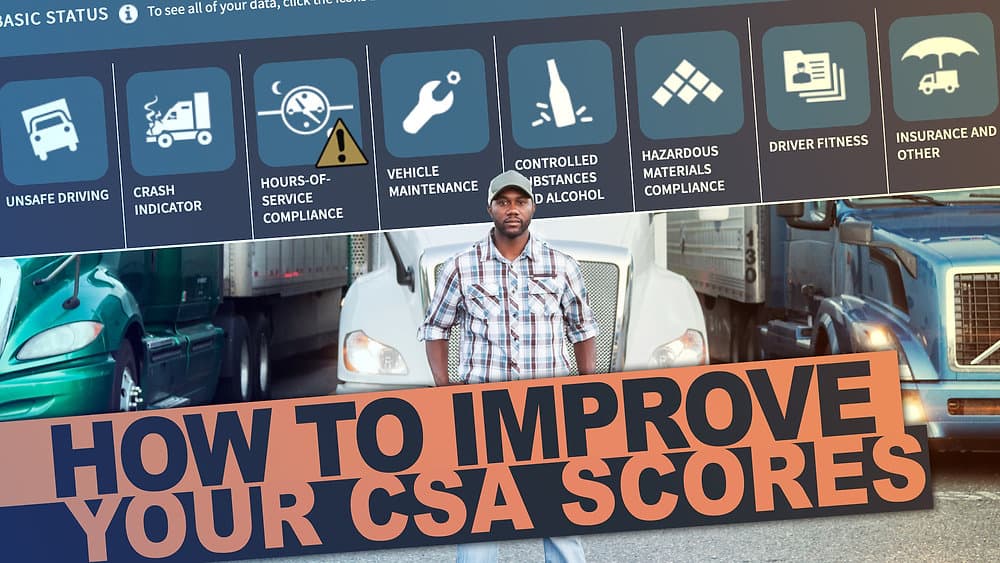
How to improve your CSA scores
CSA scores are a big deal for regulated motor carriers. High CSA scores can lead to increased insurance premiums, lost business, and heightened exposure in highway accident litigation. Keeping your scores as low as possible is important, but how do you do it? That's the million dollar question. Although the answer is pretty straightforward, it's unfortunately not what most fleets want to hear. Lowering your CSA scores (and keeping them low) takes time and effort. There is no magic wand. There ar
Brandon Wiseman
FMCSA to increase civil penalties for regulatory violations
The Federal Motor Carrier Safety Administration (FMCSA) is increasing the fine amounts for certain violations of its Federal Motor Carrier Safety Regulations. In a notice to be published in the Federal Register on March 21, 2022, the agency announced its annual inflation adjustments to its civil penalty schedule. These penalties appear in 49 CFR Part 386, Appendix A, and are generally assessed following the discovery of egregious safety violations. Generally speaking, the civil penalty amounts l
Brandon WisemanNever Miss an Update
Get in-depth DOT compliance articles and breaking regulatory news delivered right to your inbox
Join thousands of safety professionals staying informed on DOT compliance