

FMCSA Clearinghouse September 2026 Report: Key Data Trends Fleet Owners Need to Know
The FMCSA has released its September 2026 Drug and Alcohol Clearinghouse Monthly Report. Here's a breakdown of the key data — including prohibited driver counts, violation trends, and what it means for your fleet's compliance program.
 Brandon Wiseman
NRII Waiver Has Ended: What Carriers Need to Know as the Paper Med Card Era Closes for CDL Drivers
FMCSA's NRII waiver allowing paper medical certificates has officially expired — but Alaska remains unable to support the electronic process. Here's what carriers need to know.
Brandon Wiseman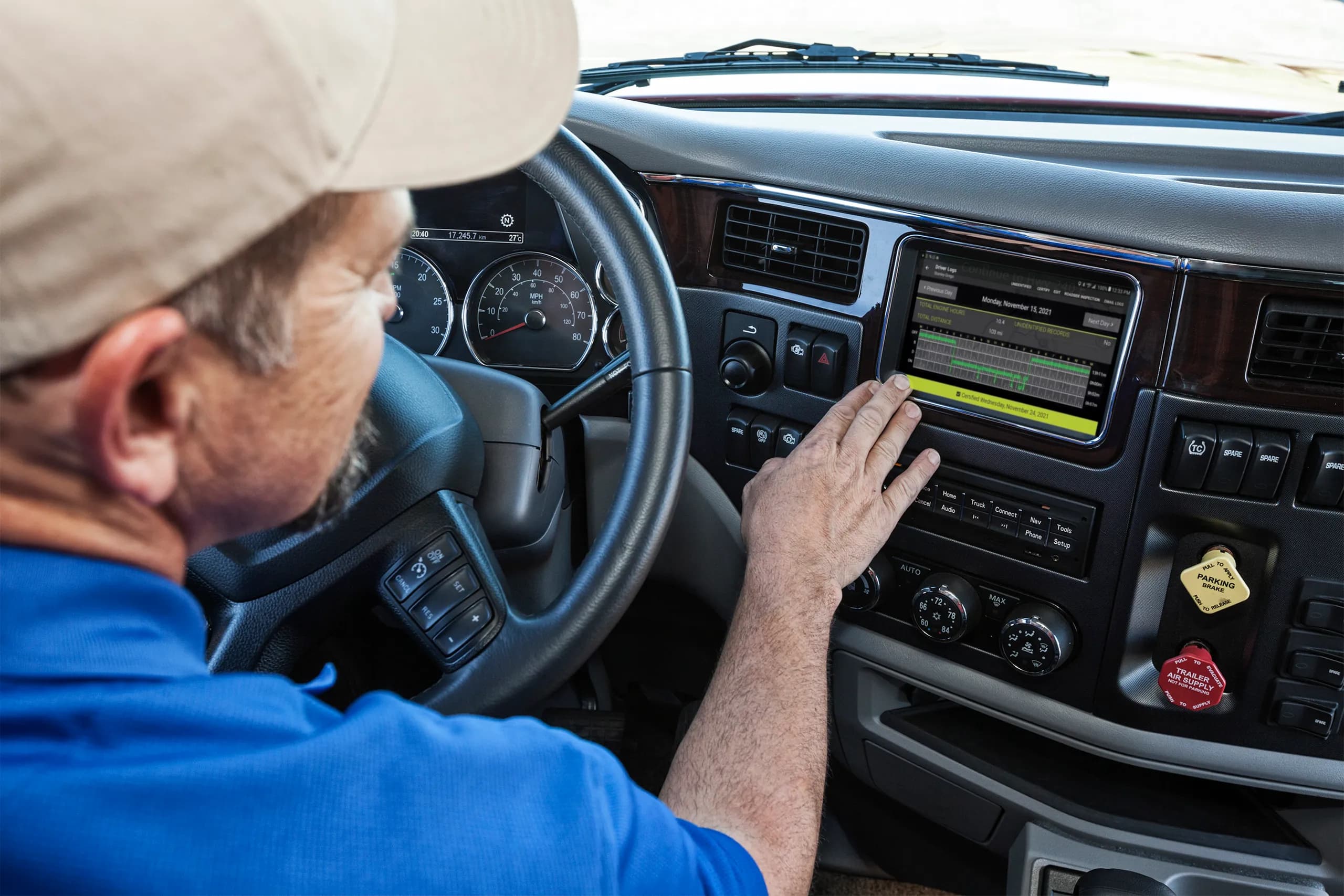
FMCSA Denies FOPT Exemption Request to Allow Paper Logs in Place of ELDs
FMCSA has officially denied the Federation of Professional Truckers' application to allow drivers to use paper logs instead of ELDs, citing a congressional mandate under MAP-21 and the applicant's failure to demonstrate safety equivalency.
Brandon Wiseman
FMCSA Suspends USDOT Inactivations for Missed Biennial Updates During MOTUS Rollout
FMCSA has temporarily suspended USDOT number inactivations for missed biennial updates as carriers transition to the new MOTUS registration system. Here's what carriers need to know and do right now.
Brandon Wiseman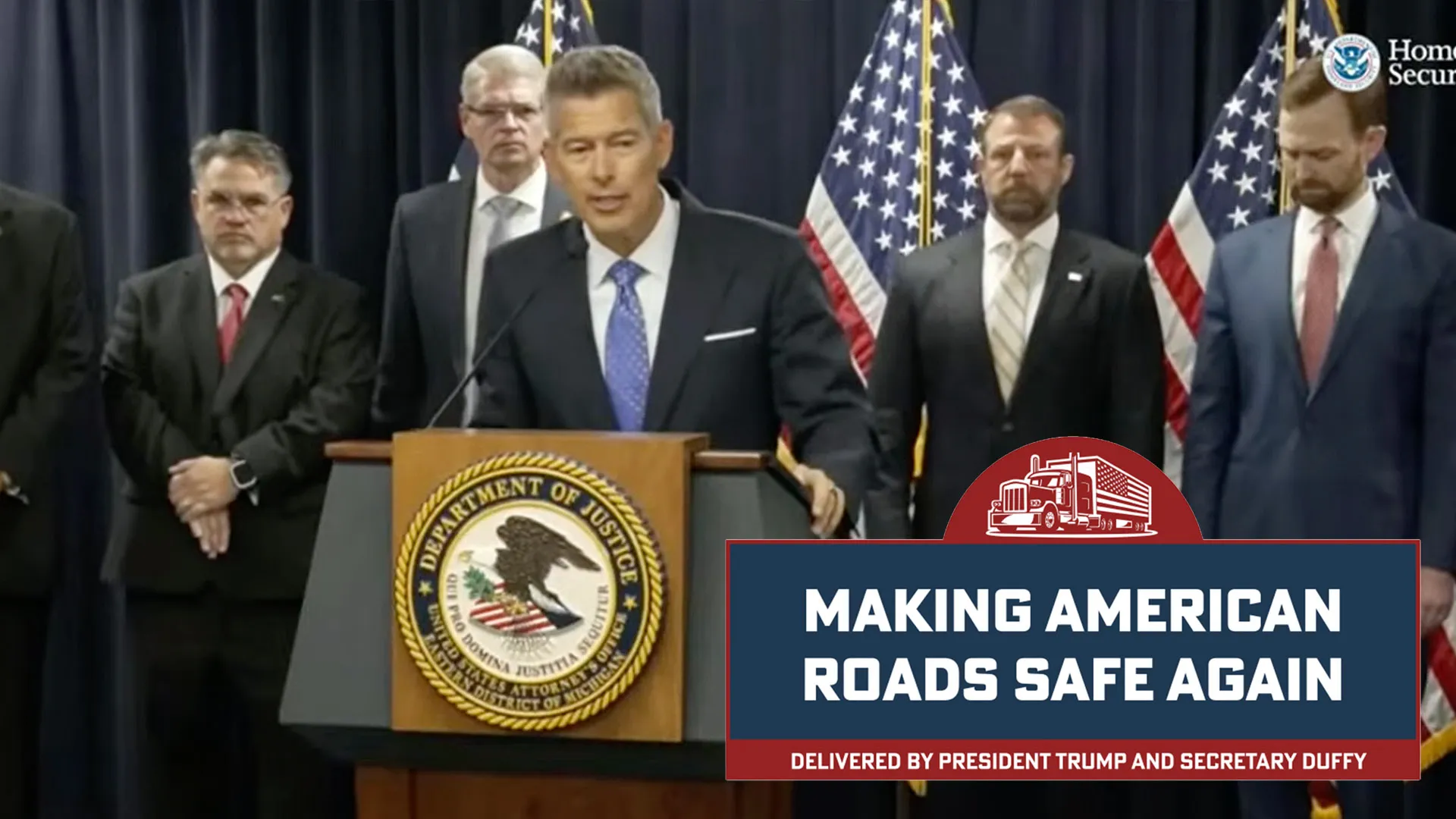
Federal Government Launches Historic Interagency Crackdown on CDL Fraud in Trucking
The U.S. Departments of Transportation, Homeland Security, and Justice have launched a historic interagency crackdown on CDL fraud, including emergency removal of 110+ training providers, a 40-state investigation, and formation of the Joint Task Force Crossroads of America. Here's what it means for compliant carriers.
Brandon Wiseman
States Sue FMCSA Over CDLIS Data Demand
Twenty-two states and D.C. have sued FMCSA over a demand for 17 million CDLIS driver records, threatening to shut down CDL issuance nationwide. Here's what the lawsuit means for your fleet and what to watch next.
Brandon Wiseman
Freedom Haulers: What Fleet Owners & Safety Directors Need to Know About the New Veteran CDL Initiative
The Trump Administration's Freedom Haulers campaign expands veteran CDL fast-track programs, adds seven states to the Even Exchange Program, and doubles the Military Skills Test Waiver window to two years. Here's what fleet owners and compliance teams need to know.
Brandon Wiseman
FMCSA's 2026 Regulatory Agenda: Everything Trucking Companies Need to Know
FMCSA has released its 2026 regulatory agenda, covering dozens of rulemakings that will affect driver qualification, ELDs, drug testing, automated vehicles, safety fitness ratings, and more. Here's what every fleet needs to know.
Brandon Wiseman
FMCSA Finalizes More Deregulatory Rules
FMCSA has finalized three new deregulatory rules effective July 22, 2026, removing the CDL self-reporting requirement, the in-cab ELD manual requirement, and revising the roadside inspection report return process. Here is what fleets need to know and do.
Brandon WisemanNever Miss an Update
Get in-depth DOT compliance articles and breaking regulatory news delivered right to your inbox
Join thousands of safety professionals staying informed on DOT compliance