
FMCSA Regulatory Update: Key Takeaways from the Florida Trucking Association Safety Summit
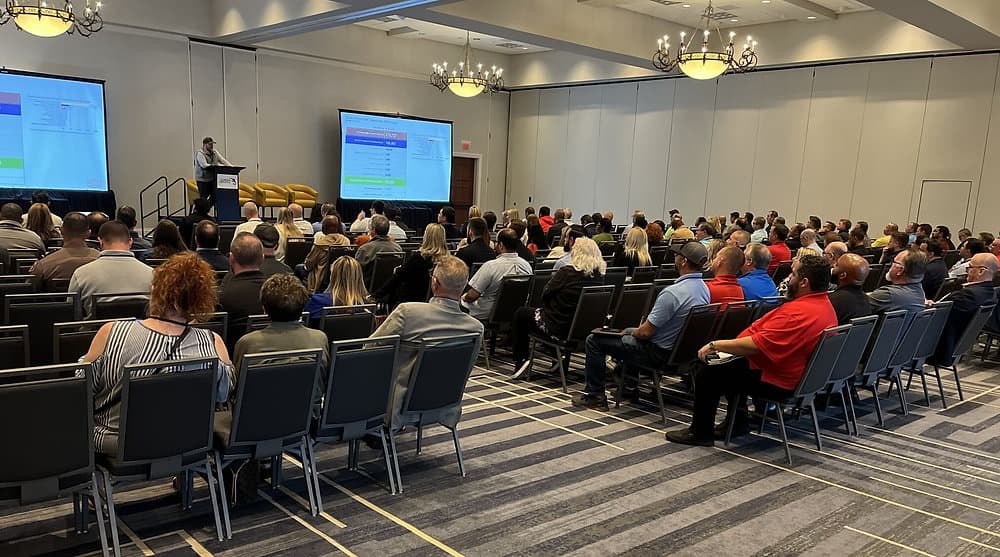
On February 20, 2025, Trucksafe president Brandon Wiseman presented an FMCSA Regulatory Update at the Florida Trucking Association’s Safety Summit in Tampa. The presentation provided an overview of recent and upcoming regulatory developments, enforcement trends, and compliance considerations for the trucking industry. Below is a summary of the key topics discussed.Download the slides from Brandon's presentation below:FMCSA Enforcement SummaryFMCSA enforcement activity remains robust, with 2.9 mi

FMCSA to undertake new study on effectiveness of warning devices for stopped CMVs
The Federal Motor Carrier Safety Administration (FMCSA) has announced its intention to conduct a new study to evaluate the effectiveness of warning devices for parked or disabled commercial motor vehicles (PDCMVs). This initiative would be a step forward in advancing road safety for commercial motor vehicles (CMVs) and underscores FMCSA’s ongoing commitment to mitigating crash risks in increasingly complex driving environments.The Importance of Warning Devices for PDCMVsStopped or disabled CMVs
 Brandon Wiseman
DOT Compliance for Small vs. Large Fleets
In the U.S. trucking industry, fleet managers, regardless of fleet size, face a myriad of challenges to ensure their business remains compliant with USDOT regulations. However, the scope and scale of these challenges can differ significantly depending on the size and complexity of the fleet. In this article, we'll explore the key differences in DOT compliance between small and large fleets, identify common challenges, and provide practical strategies for each to stay compliant. The Basics of DOT
Brandon Wiseman
Combating distracted driving & crafting an effective policy
Distracted driving is a major problem in the U.S., and its dangers are magnified in the trucking industry. It's no surprise that a commercial driver's inattention for even a few seconds can result in catastrophic accidents. For fleet managers, the stakes are high: distracted driving can lead to increased insurance premiums, legal liabilities, operational disruptions, and tragically, loss of life.In 2022, the National Highway Traffic Safety Administration (NHTSA) reported 3,308 deaths due to dist
Brandon Wiseman
Trucksafe launches two new services: Micro Audits & Bootcamp on the Road!
Fleet safety is a vital aspect of the transportation industry, ensuring not just compliance but also the well-being of drivers and the public at large. At Trucksafe, we're thrilled to unveil two new services to help fleets be proactive with compliance and keep themselves out of the crosshairs: Trucksafe Micro Audits and Bootcamp on the Road.Introducing Trucksafe Micro AuditsImagine having a virtual "check-up" for your DOT safety programs, providing you with a quick but comprehensive assessment
Brandon Wiseman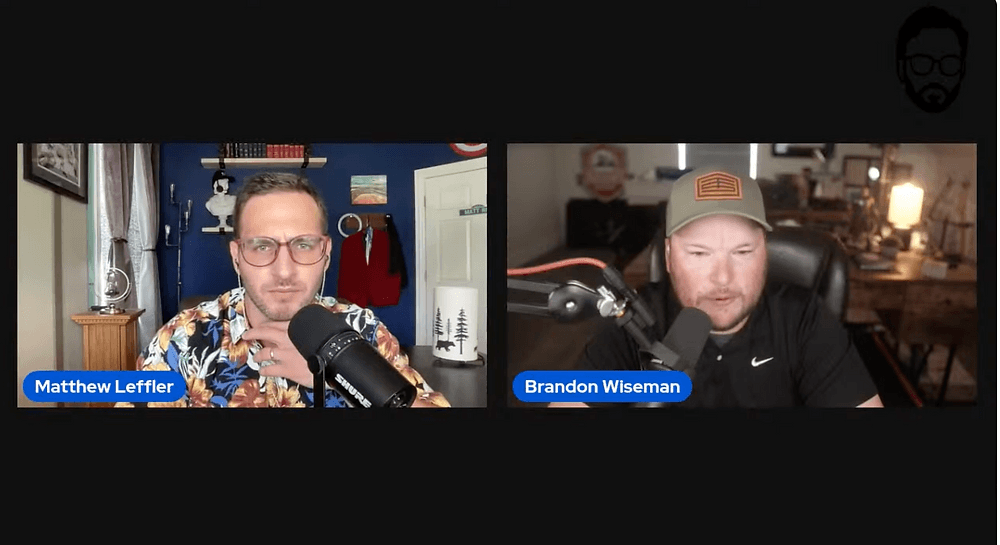
Trucksafe's Wiseman joins the Armchair Attorney to discuss ELDs, Chevron deference and more
But is your truck safe?Trucksafe's Brandon Wiseman recently joined Matt Leffler, the Armchair Attorney, on his podcast to discuss electronic logging devices, Chevron deference, and much more. Catch the replay above if you missed it. About Trucksafe Consulting, LLC: Trucksafe Consulting is a full-service DOT regulatory compliance consulting and training service. We help carriers develop, implement, and improve their safety programs, through personalized services, industry-leading training, and a
Brandon Wiseman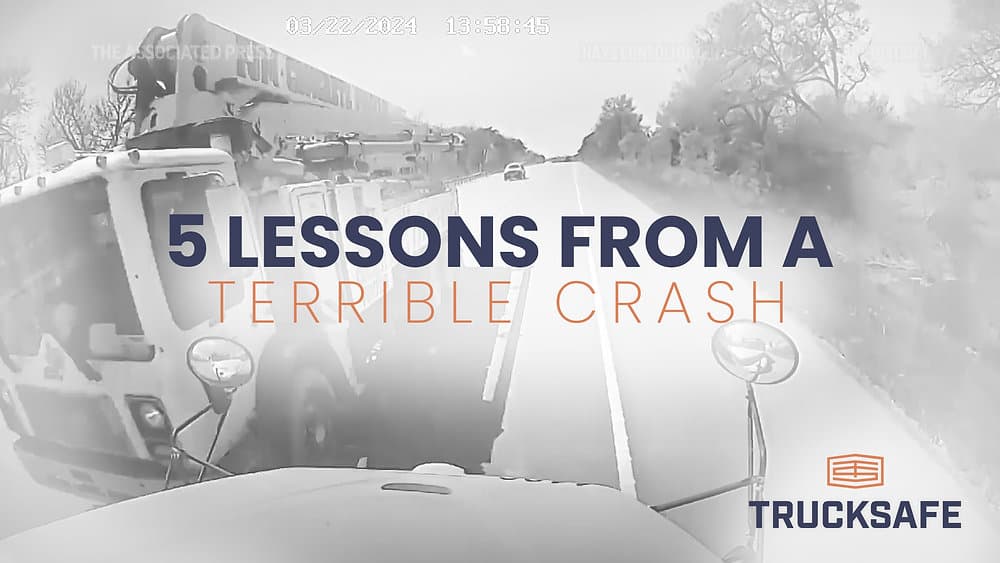
5 lessons from a terrible crash
On March 22, 2024, a concrete pumper truck veered into oncoming traffic on State Highway 21 in Texas, striking a school bus full of children and ultimately killing a 5 year-old and an adult. At the time of the crash, the bus was transporting 44 children and 11 adults home from a field trip to the Texas Zoo. According to reports, the driver of the concrete truck, 42 year-old Jerry Hernandez, admitted to law enforcement he had smoked marijuana the night before the accident, had used cocaine the mo
Brandon Wiseman
Trucksafe & Haul launch cutting-edge managed services offering
For today’s fleet managers, navigating the complex world of DOT regulations and ensuring fleet safety can feel like an uphill battle. But what if you could hand over the reins and focus on what you do best – running your business? That’s exactly what the groundbreaking partnership between Trucksafe Consulting, LLC and Haul, a cutting-edge AI-powered fleet risk management software provider, aims to achieve. Through this strategic alliance, Trucksafe expands its offerings with the launch of Trucks
How DOT compliance affects mergers & acquisitions
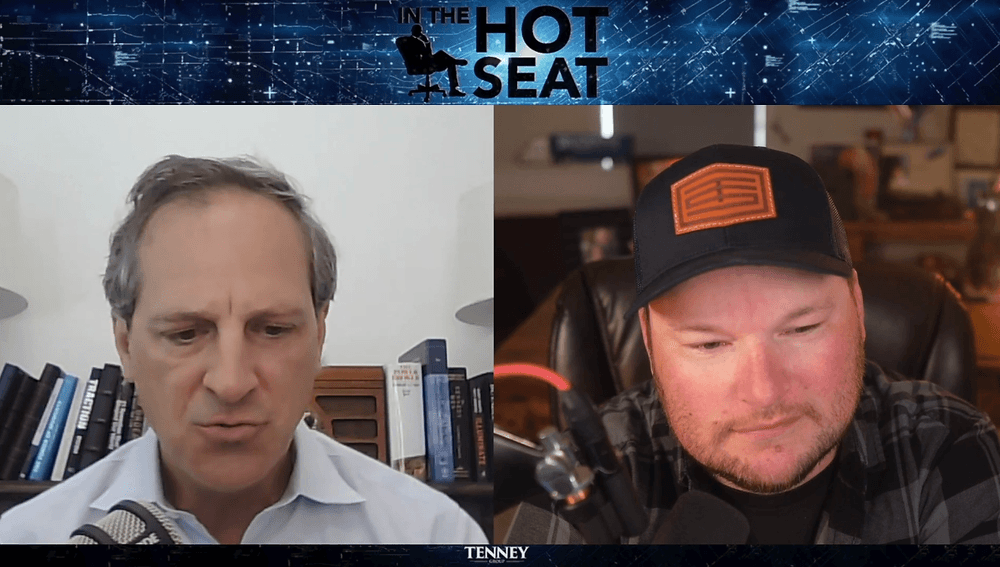
Trucksafe's president Brandon Wiseman recently joined the Tenney Group's In The Hot Seat podcast to discuss how DOT compliance can impact transportation-related mergers & acquistions. "Not enough private equity groups or carriers, in my experience, are even looking as heavily at DOT compliance as they should be. We encounter so many situations where we are coming in after the fact. A carrier has acquired another motor carrier and now they're coming to us saying ‘we've got all these problems,’ an
Never Miss an Update
Get in-depth DOT compliance articles and breaking regulatory news delivered right to your inbox
Join thousands of safety professionals staying informed on DOT compliance