
Expert Insights on DOT Compliance
In-depth analysis, regulatory updates, and practical compliance guidance from transportation attorneys and industry experts.

Top 5 roadside violations & how to avoid them
Commercial driving can be a challenging profession with significant responsibilities, especially when it comes to understanding and complying with the multitude of safety regulations that govern these operations. With so many rules to follow, even seasoned drivers can make mistakes that lead to roadside violations. On a recent episode of the Drive podcast by HandledNow, I had the privilege of addressing some of the top regulatory violations incurred by drivers and, more important, how they can a
 Brandon Wiseman
FMCSA to undertake new study on effectiveness of warning devices for stopped CMVs
The Federal Motor Carrier Safety Administration (FMCSA) has announced its intention to conduct a new study to evaluate the effectiveness of warning devices for parked or disabled commercial motor vehicles (PDCMVs). This initiative would be a step forward in advancing road safety for commercial motor vehicles (CMVs) and underscores FMCSA’s ongoing commitment to mitigating crash risks in increasingly complex driving environments.The Importance of Warning Devices for PDCMVsStopped or disabled CMVs
Brandon Wiseman
Top Critical and Acute Violations for Fleets: Insights and Solutions
In 2024, compliance with Federal Motor Carrier Safety Regulations (FMCSRs) remained a critical challenge for fleets across the industry. During a webinar sponsored by National Interstate and Vanliner Insurance, industry experts Brandon Wiseman from Trucksafe Consulting and Timothy Henry from Haul Compliance shared their insights on the most common violations and offered practical strategies for addressing them. This article includes a summary of the key takeaways, or catch the full replay below.
Year in Review: 2024 Regulatory Highlights and 2025 Outlook for Fleets
As 2024 winds down, the trucking industry finds itself reflecting on a transformative year while preparing for potential regulatory shifts in 2025. Episode 44 of Trucksafe LIVE! tackled key regulatory milestones, upcoming challenges, and industry-shaping court cases. Here's a comprehensive look back at 2024’s top trucking regulations and a forward-looking perspective on what fleets might expect in 2025. Catch the replay of the episode below! Trucksafe LIVE! | Ep. 44 - Year-in-review & 2025 outlo
Brandon Wiseman
FMCSA Updates the Crash Preventability Determination Program: What Fleets Need to Know
The Federal Motor Carrier Safety Administration (FMCSA) has finalized significant updates to its Crash Preventability Determination Program (CPDP), a key tool for fleets looking to improve their fleet compliance metrics including CSA scores. As forecasted in an earlier article, the CPDP, which allows motor carriers to challenge the classification of certain crashes as "non-preventable," is now being expanded to include new crash types and streamline the determination process. Here’s an in-depth
Brandon Wiseman
FMCSA pushing forward with Safety Measurement System (SMS) changes in light of public comments
The Federal Motor Carrier Safety Administration (FMCSA) has released its latest plans to update the Safety Measurement System (SMS) as part of its ongoing efforts to refine how motor carriers are prioritized for safety interventions. Following its latest public comment period after releasing its original February 2023 proposal, the agency's updates reflect significant enhancements and stakeholder contributions. This article summarizes the changes and their implications for motor carriers going f
Brandon Wiseman
What should fleets expect with a Republican Administration in 2025?
As the U.S. heads toward a presidential transition from a Democrat to a Republican administration in January 2025, fleet managers and industry leaders are preparing yet again for potential shifts in regulatory focus. The Federal Motor Carrier Safety Administration (FMCSA), in particular, plays a crucial role in shaping the trucking industry, affecting compliance, safety, and operational standards for motor carriers nationwide. And like other federal agencies, the FMCSA and its policies are heavi
Brandon Wiseman
Advanced Guide to the Split Sleeper Berth Rule: Maximizing Driving Flexibility and Efficiency
For commercial drivers, the split sleeper berth rule offers essential flexibility, especially when faced with unpredictable schedules, long detention times, and strict hours-of-service (HOS) limits. However, the rule’s complexity can make it challenging to implement correctly. In a previous article, we broke down the basic mechanics of the split sleeper rule. In this article, we’ll dive even deeper into the topic with some more complex examples and how drivers can best levarage the split sleepe
Brandon Wiseman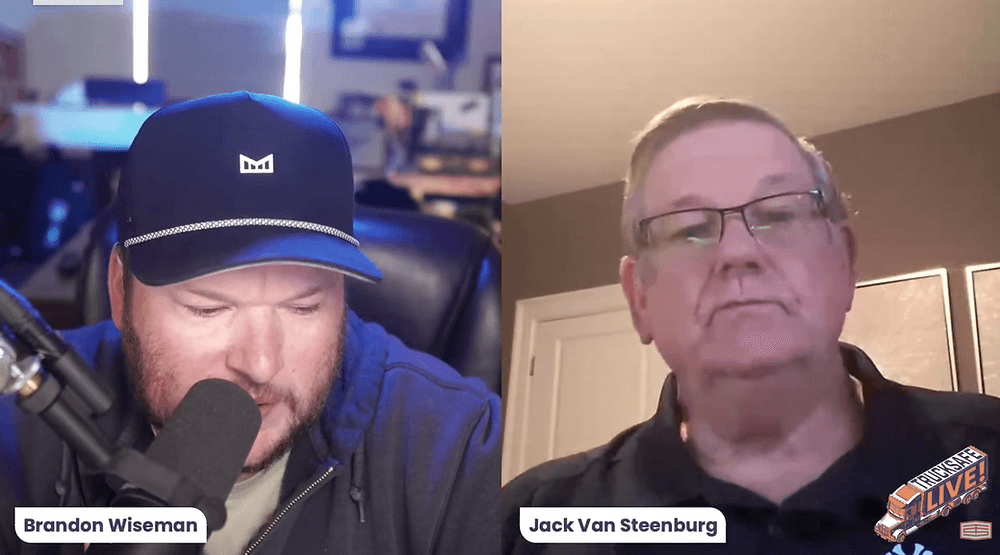
Understanding FMCSA Changes and Compliance Trends: Insights from Jack Van Steenburg
In Episode 43 of the Trucksafe LIVE! podcast, host Brandon Wiseman discussed major FMCSA updates, the agency's operational focus, and regulatory outlook with special guest Jack Van Steenburg, former Chief Safety Officer for the FMCSA and an expert in commercial motor vehicle safety compliance. This episode provided a deep dive into upcoming changes impacting fleet operations and the trucking industry as a whole, especially in light of the 2024 U.S. election, which may lead to significant shifts
Never Miss an Update
Get in-depth DOT compliance articles and breaking regulatory news delivered right to your inbox
Join thousands of safety professionals staying informed on DOT compliance