
Expert Insights on DOT Compliance
In-depth analysis, regulatory updates, and practical compliance guidance from transportation attorneys and industry experts.

Top 5 Legal Issues Impacting Fleets in 2025: Insights from Trucksafe LIVE! Ep. 45
The trucking industry will face significant legal and regulatory challenges in 2025, with developments that could reshape the landscape for motor carriers, brokers, and owner-operators. In the latest episode of Trucksafe LIVE!, hosts Brandon Wiseman and Jerad Childress sat down with Tyler Biddle, an attorney with Childress Law, to discuss the five most pressing legal issues impacting fleets this year. Catch the replay below or keep reading for a breakdown of the episode!Trucksafe LIVE! | Ep. 45
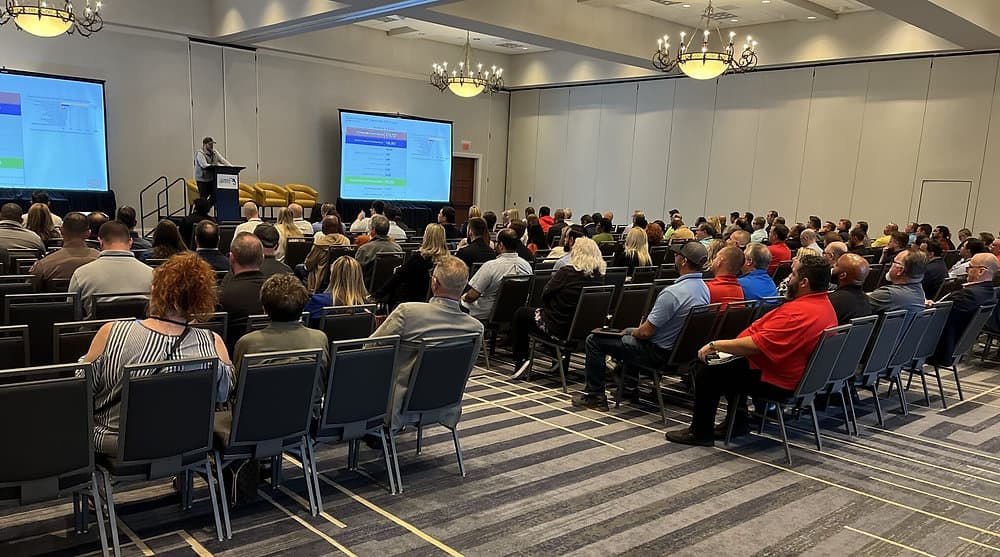
FMCSA Regulatory Update: Key Takeaways from the Florida Trucking Association Safety Summit
On February 20, 2025, Trucksafe president Brandon Wiseman presented an FMCSA Regulatory Update at the Florida Trucking Association’s Safety Summit in Tampa. The presentation provided an overview of recent and upcoming regulatory developments, enforcement trends, and compliance considerations for the trucking industry. Below is a summary of the key topics discussed.Download the slides from Brandon's presentation below:FMCSA Enforcement SummaryFMCSA enforcement activity remains robust, with 2.9 mi
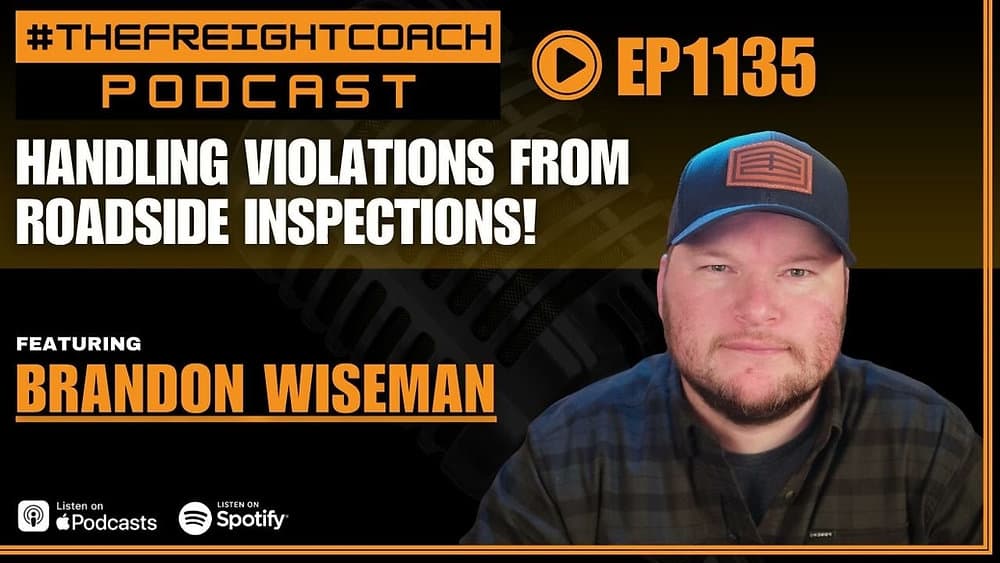
Trucksafe's Wiseman discusses CSA scores, broker liability & more on The Freight Coach Podcast
In a recent episode of The Freight Coach Podcast, host Chris Jolly welcomed Brandon Wiseman, founder of Trucksafe Consulting, to discuss the complexities of DOT compliance and safety within the trucking industry. Their conversation covered the challenges faced by new and established motor carriers, the importance of proactive compliance, and the impact of safety scores on business operations. They also explored the growing trend of nuclear verdicts, the role of Electronic Logging Devices (ELDs),
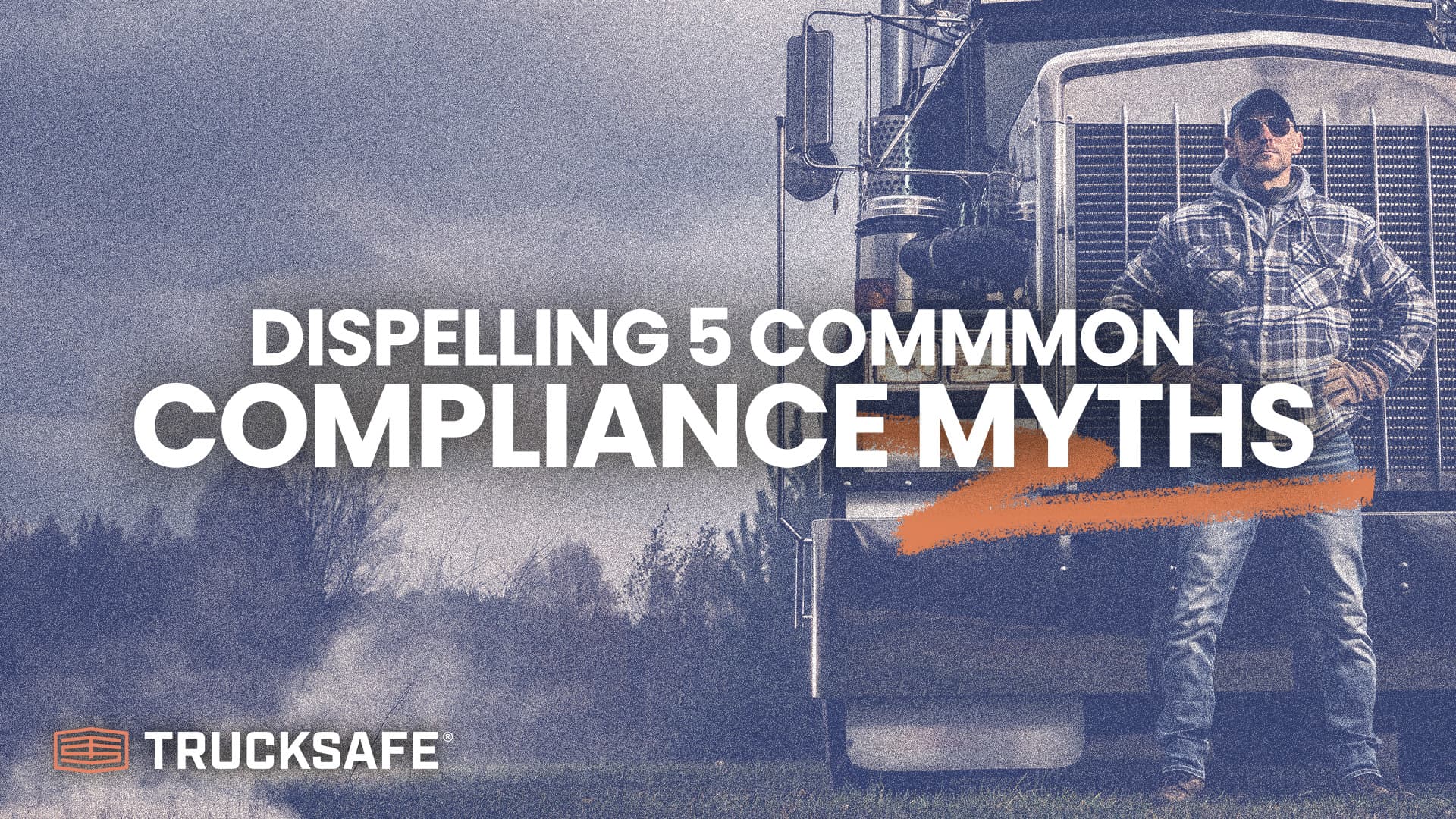
Dispelling 5 common DOT compliance myths
Achieving DOT compliance can be tricky. Even seasoned safety professionals occasionally fall prey to some regulatory assumptions that aren’t quite true. Unfortunately, these misconceptions can lead to costly violations, increased exposure, and unnecessary headaches for trucking companies and their drivers.At Trucksafe, we help motor carriers navigate the complex web of federal and state safety regulations. In this article, we’ll debunk five of the most common DOT compliance myths to help you sta
 Brandon Wiseman

Understanding FMCSA's Oilfield Exemptions
The Federal Motor Carrier Safety Regulations (FMCSRs) under 49 CFR 395.1(d) provide specific exemptions tailored for oilfield operations, commonly referred to as the "oilfield exemptions." These exemptions recognize the unique demands of the oil and gas industry and offer flexibility to drivers engaged in particular oilfield activities. This article delves into the two primary exemptions, detailing their applicability, offering practical usage tips, and highlighting potential pitfalls to avoid.U
Brandon Wiseman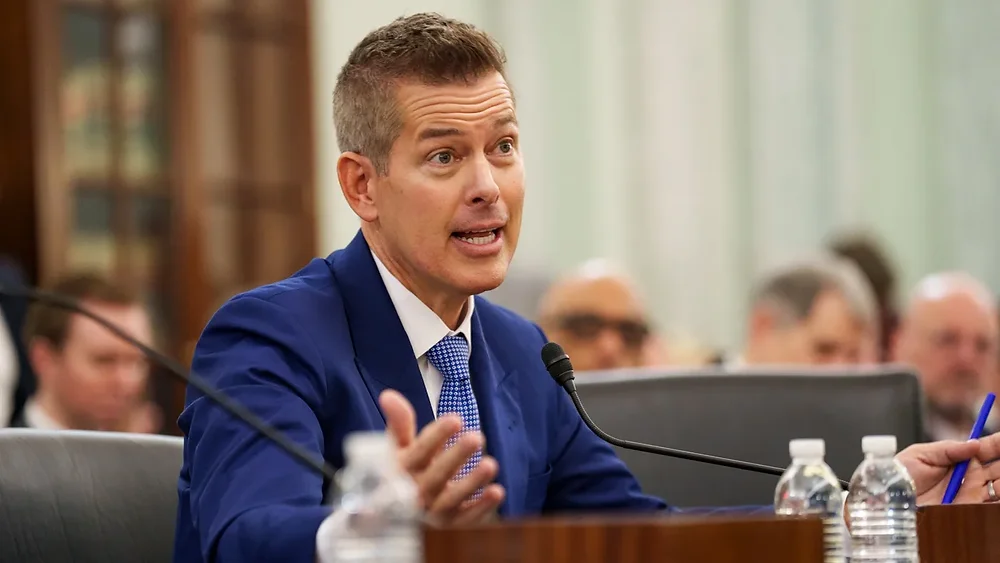
U.S. Senate confirms Sean Duffy as Secretary of Transportation
On January 28, 2025, the U.S. Senate confirmed Sean Duffy as the new Secretary of Transportation, marking a significant appointment in President Donald Trump’s administration. Duffy, a former U.S. Representative from Wisconsin, brings a diverse background to the role, encompassing law, politics, media, and even reality television. His confirmation has garnered attention across various sectors, particularly within the trucking industry.Duffy's BackgroundBorn on October 3, 1971, in Hayward, Wiscon
Brandon Wiseman
How fleets can best leverage the Crash Preventability Determination Program
Dealing with DOT-recordable accidents is stressful for all involved and can be a significant regulatory challenge for motor carriers. These incidents, regardless of fault, often lead to higher CSA scores, increased insurance premiums, and potential reputational damage. For many years (and even to this day), frustration has lied for carriers in being penalized for crashes that their drivers could not have prevented. Recognizing these concerns, the Federal Motor Carrier Safety Administration (FMCS
Trump enacts regulatory freeze: What it means for trucking
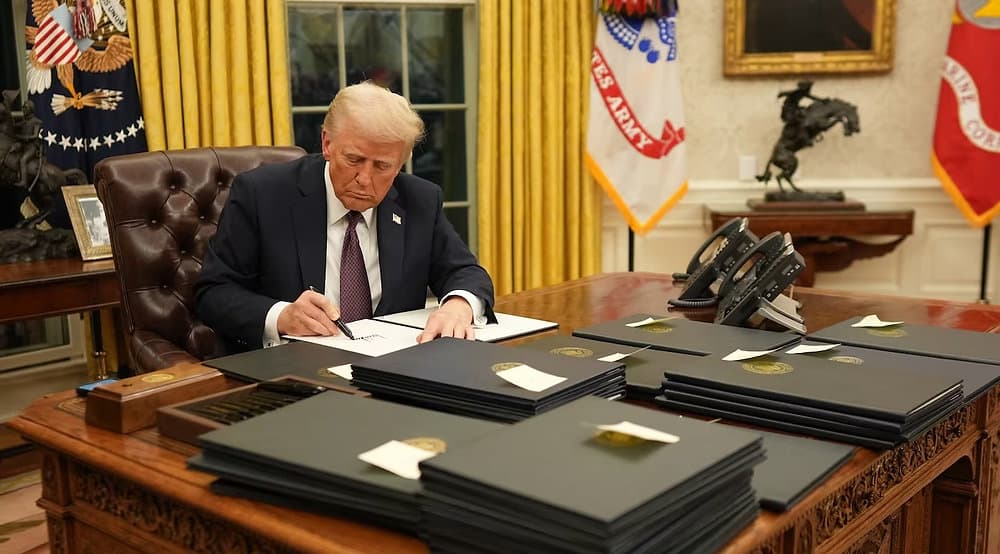
Among his first official acts while in office, President Donald Trump issued an executive order titled “Regulatory Freeze Pending Review,” initiating a comprehensive halt on federal rulemaking activities across executive departments and agencies. This directive mandates a thorough review of all pending regulations, including those promulgated by the Federal Motor Carrier Safety Administration (FMCSA) and other agencies under the USDOT’s umbrella. Regulatory freezes are not unprecedented. In fact
Brandon Wiseman
DQ, Personnel, and Drug & Alcohol Testing Files: Understanding the distinction
Managing compliance for regulated drivers in the trucking industry involves a myriad of record-keeping requirements. Among the most important are the Driver Qualification (DQ) File, the Personnel File, and the Drug & Alcohol Testing File. While these files serve different purposes, confusion about their distinctions and proper maintenance can lead to compliance issues and penalties. This article will explore each file type, explain why it is essential to keep them separate, and provide best prac
Brandon WisemanNever Miss an Update
Get in-depth DOT compliance articles and breaking regulatory news delivered right to your inbox
Join thousands of safety professionals staying informed on DOT compliance