Expert Insights on DOT Compliance
In-depth analysis, regulatory updates, and practical compliance guidance from transportation attorneys and industry experts.

COVID-19 emergency HOS exemption lapses
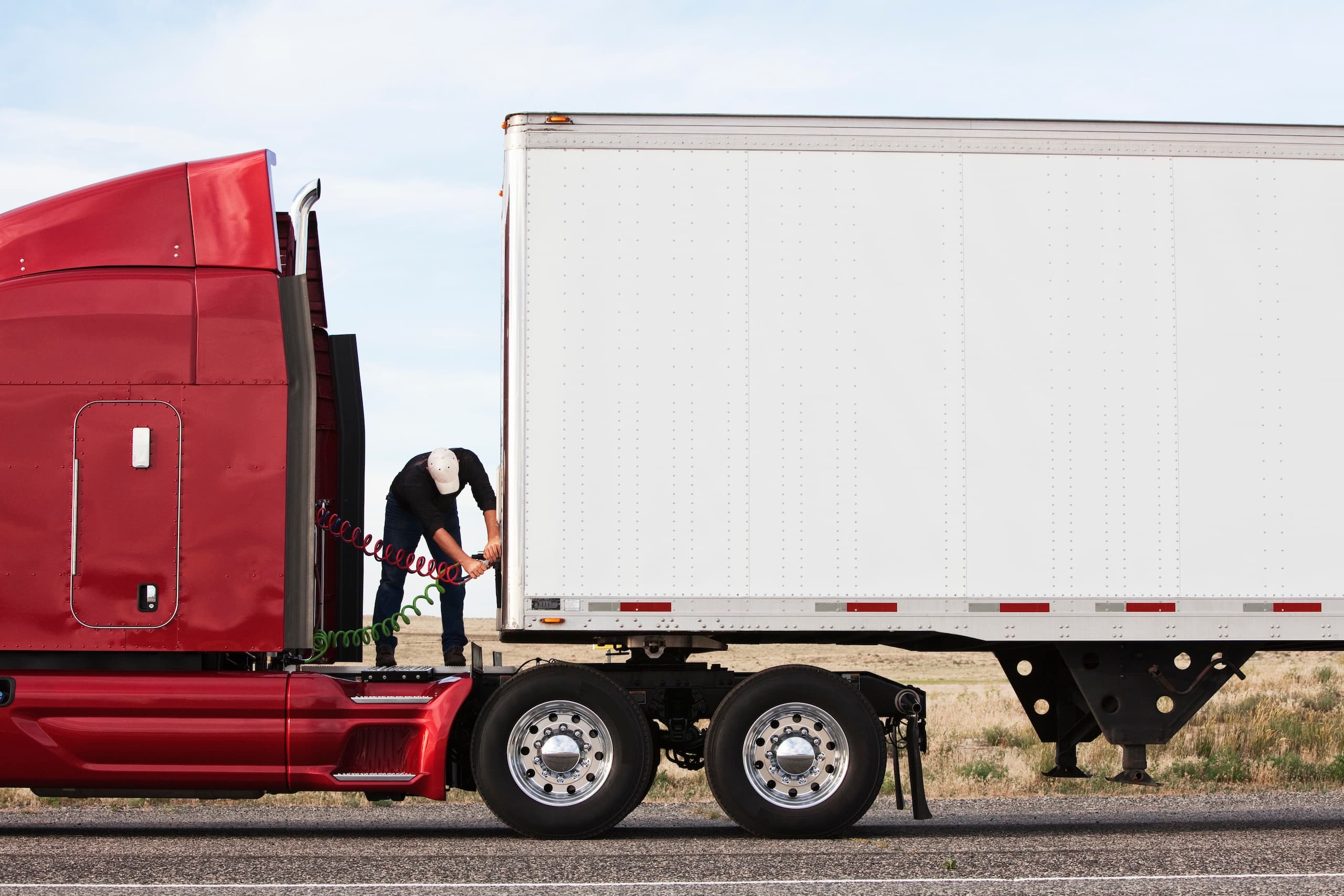
The Federal Motor Carrier Safety Administration (FMCSA) has chosen not to renew its Covid-19 emergency declaration that had been in place since March 2020 and provided some regulatory relief (primarily HOS-related) for carriers and drivers transporting certain commodities as part of the emergency relief efforts like vaccines, food supplies, etc. The declaration, which the agency had renewed several times over the past two years, expired on October 15th. According to the FMCSA's website, "There a
 Brandon Wiseman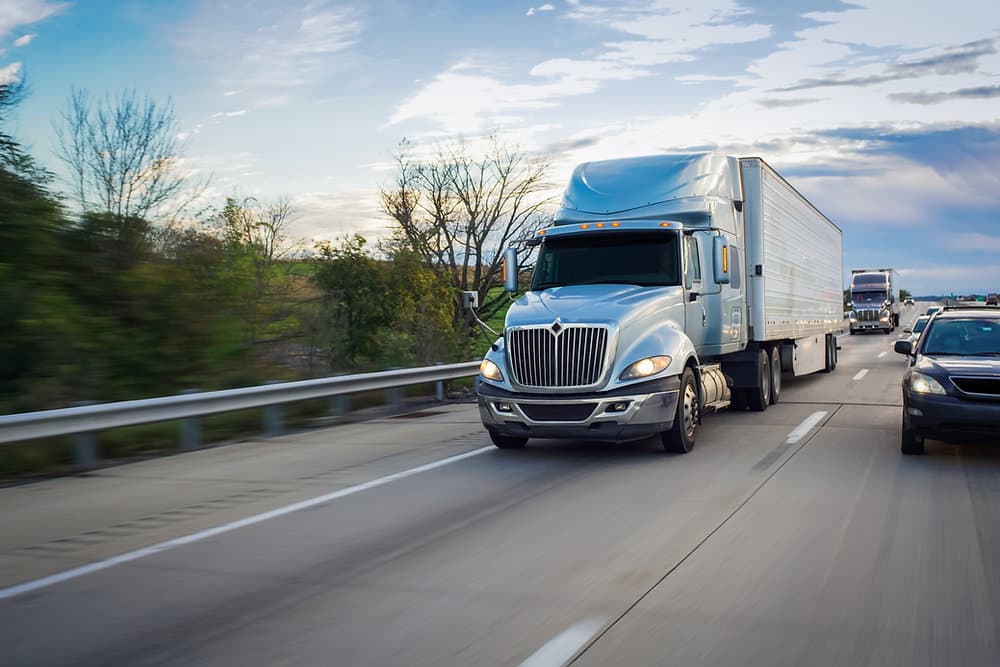
FMCSA contemplating electronic vehicle identification tags
Among its flurry of recently-published notices, the Federal Motor Carrier Safety Administration (FMCSA) has announced it is seeking comments on whether the agency should amend its regulations to require "every commercial motor vehicle (CMV) operating in interstate commerce to be equipped with electronic identification (ID) technology capable of wirelessly communicating a unique ID number when queried by a Federal or State motor carrier safety enforcement personnel." The agency's notice is a resp
Brandon Wiseman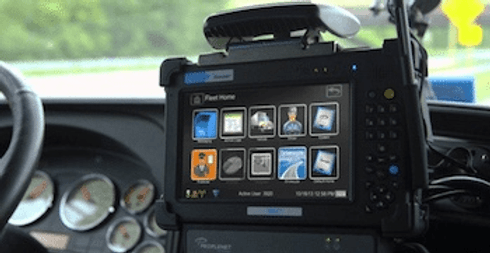
FMCSA mulling tweaks to ELD rules
In a notice published in the Federal Register in mid-September 2022, the FMCSA is seeking comments from the public on whether to modify certain portions of its electronic logging device (ELD) rule. That rule, first published in 2015, mandated the use of ELDs by most regulated drivers as a means to more accurately track their daily duty status. According to the FMCSA, “lessons learned by Agency staff, State enforcement personnel, ELD providers, and industry over the last few years can be used to
Brandon Wiseman
Trucksafe addresses personal conveyance use in Heavy Duty Trucking Magazine
Trucksafe's president Brandon Wiseman recently addressed personal conveyance misuse and its consequences in Heavy Duty Trucking Magazine. The following is an excerpt from that article. Click the link below to read the full article. There’s nothing quite as amorphous as personal conveyance in FMCSA’s safety regulations.Personal conveyance (also called PC) describes time spent by regulated drivers operating commercial vehicles for personal use in off-duty status. PC time is not counted against the
FMCSA evaluating continued need for COVID emergency declaration
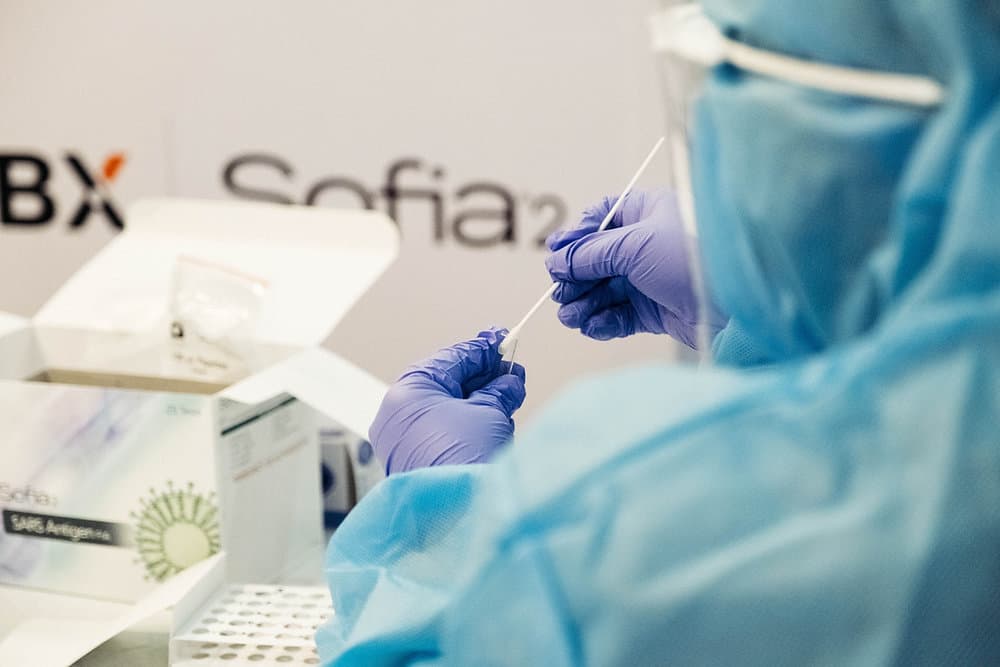
In a notice posted to the Federal Register on September 6, 2022, the Federal Motor Carrier Safety Administration (FMCSA) is seeking comments from regulated motor carriers concerning their use of the existing COVID-19 emergency declaration and exemption, in an effort for the agency to determine whether it should continue to renew that declaration going forward. The FMCSA first issued the declaration on March 13, 2020, offering a fairly broad exemption from various parts of the federal safety regu
Brandon Wiseman
Compliance myth: 10-year employment history
There's a lot that goes into qualifying a regulated driver: applications, motor vehicle reports, license checks, drug tests...and the list goes on! One particularly critical component of the driver qualification process is the past employment verifications that prospective motor carrier employers must make on every driver applicant. Of course, in order to conduct these verifications, carriers must first know for whom an applicant has worked in the past. But how far in the past must driver applic
Brandon Wiseman
FMCSA declares regional emergency due to Midwest BP refinery fire
The Federal Motor Carrier Safety Administration (FMCSA) has issued a Regional Emergency Declaration in response to the "the unanticipated shutdown of the BP Whiting refinery as a result of a fire on August 24, 2022 that affects the supply of gasoline, diesel, and jet fuel throughout the Affected States." According to sources, the fire affected utilities to multiple units at BP's largest Midwest refinery and has caused a tightening in the regional wholesale supply of fuel. The FMCSA's declaratio
Brandon Wiseman
What are chameleon carriers?
Chameleons--the reptiles, that is--are known for their ability to change their physical appearance to blend into their surroundings. The Federal Motor Carrier Safety Administration (FMCSA), which is primarily responsible for regulating highway safety, has ascribed similar characteristics to nefarious motor carriers who attempt to avoid the consequences of non-compliance by closing up shop and reincarnating under a different name or USDOT number. These so-called "chameleon carriers" believe that
Brandon Wiseman
USDOT contemplates electronic recordkeeping for drug & alcohol documents
The United States Department of Transportation (USDOT) is seeking comments on how its regulations for conducting workplace drug and alcohol testing for federally-regulated transportation companies should be amended to allow the use of electronic signatures and the electronic storage of forms and data. In an Advanced Notice of Proposed Rulemaking (ANPRM) published on August 5, 2022, the USDOT said "the use of electronic forms and signatures . . . will help DOT- regulated employers and their servi
Brandon WisemanNever Miss an Update
Get in-depth DOT compliance articles and breaking regulatory news delivered right to your inbox
Join thousands of safety professionals staying informed on DOT compliance