
Expert Insights on DOT Compliance
In-depth analysis, regulatory updates, and practical compliance guidance from transportation attorneys and industry experts.
Compliance Myths: Required truck markings
With as much variability in truck markings as there is, you'd be inclined to think there isn't some standard or regulation on the topic.
 Brandon Wiseman
5 reasons to consolidate DOT#s (and how to do it)
Managing a regulated fleet of commercial vehicles and drivers is a daunting task. Ensuring each and every driver is properly licensed and qu
Brandon Wiseman
Answering ELDT questions
In this post, we're answering all your burning questions about the FMCSA’s Entry-Level Driver Training (ELDT) rule--to whom it applies, who is exempt, and everything in between! For an in-depth breakdown of the rule itself, be sure to check out our prior article. As of the date of this article, we’re about 5 months into the new ELDT requirement, which took effect February 7, 2022. Without a doubt, the rule is a pretty big one…impacting every individual who is now seeking a Class A or B CDL or ce
Brandon Wiseman
BREAKING: SCOTUS denies review in AB5 case
The U.S. Supreme Court on Thursday (6/30) formally denied a petition by the California Trucking Association to review a California federal court's ruling on the controversial 2019 legislation known as AB5. That legislation codifies the so-called "ABC Test" employment classification test in California, making it nearly impossible for carriers to continue to use independent contractor drivers within the state. The court's decision will bring to an end the injunction that has been in place for near
Compliance Myths: Double brokering is illegal
Some will claim double brokering is illegal, but is that actually the case? We tackle this compliance myth in this article.
Brandon Wiseman
Trucksafe tackles compliance myths on Tow Business Podcast
Trucksafe's Brandon Wiseman recently joined the Tow Business Podcast to tackle some of the biggest compliance myths permeating the towing industry. Catch the episode below or wherever you get your podcasts to hear Brandon address the following topics: • How Trucksafe got started • What services Trucksafe offers • Understanding interstate vs. intrastate commerce • The importance of vehicle/combination weight • Exemptions available to towing companies • ELD use for towing companies
Trucksafe featured on Haulin' Notes podcast
Trucksafe's Brandon Wiseman and Jerad Childress recently joined Susan Ogle of Canal Insurance's Haulin' Notes podcast to highlight Trucksafe's exciting new initiatives, including: • Trucksafe Academy - Our state-of-the-art, online training platform for fleet owners, safety managers, drivers, and third parties. • Trucksafe LIVE! - A monthly livestream where Trucksafe and its industry-expert guests address the hot-button issues impacting highway transportation. • The Trucksafe Compliance Network

FMCSA seeking comments on "brokerage" definitions
The Federal Motor Carrier Safety Administration (FMCSA) is seeking responses to several questions that will inform future guidance on the topic of what is "brokerage" and "bona fide agents." In a notice posted to the Federal Register on June 9, 2022, the agency noted its questions come in response to a Congressional directive (Infrastructure Investment and Jobs Act) to clarify the terms "broker" and "bona fide agents" by November 15, 2022. Specifically, FMCSA must, at minimum: FMCSA (1) examine
Brandon Wiseman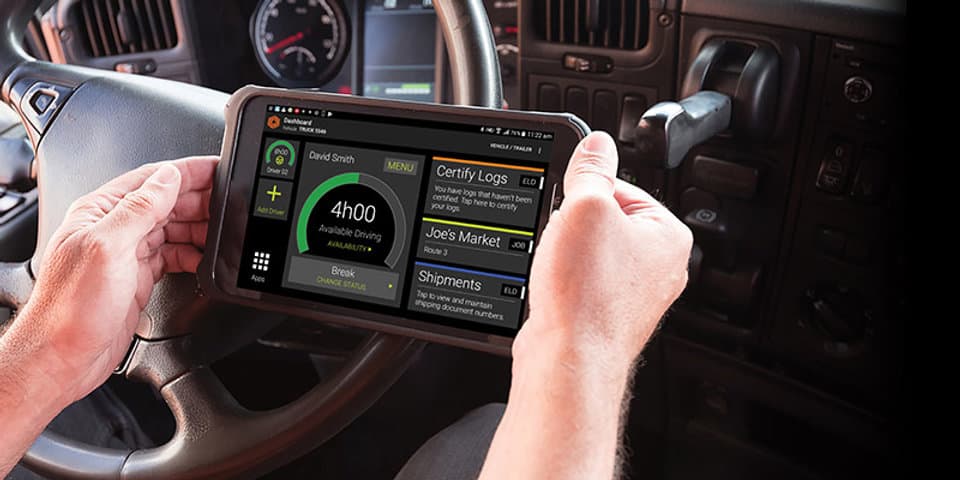
Trucksafe addresses top HOS issues
Trucksafe's president Brandon Wiseman recently joined the Safe as Truck podcast to discuss the top hours-of-service, driver logging, and ELD violations plaguing motor carriers and their fleets. Check it out below!
Never Miss an Update
Get in-depth DOT compliance articles and breaking regulatory news delivered right to your inbox
Join thousands of safety professionals staying informed on DOT compliance