
Expert Insights on DOT Compliance
In-depth analysis, regulatory updates, and practical compliance guidance from transportation attorneys and industry experts.
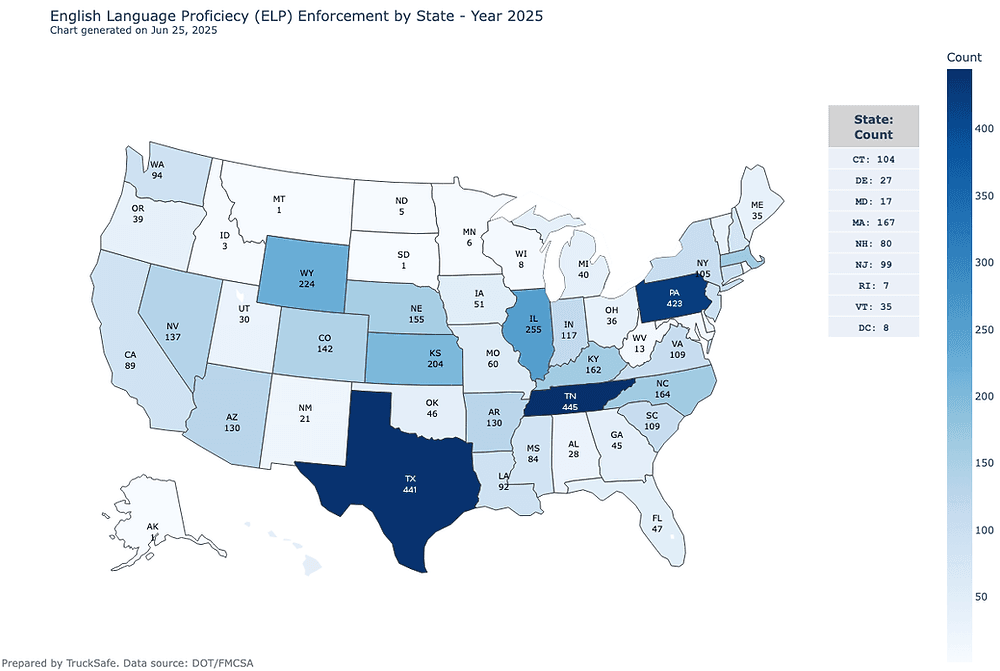
Trucksafe Launches Monthly English Language Proficiency (ELP) Enforcement Report
Indianapolis, IN – June 24, 2025 – Trucksafe Consulting, LLC, a leading provider of DOT safety consulting and online DOT training, is thrilled to announce the launch of its exclusive Monthly English Language Proficiency (ELP) Enforcement Report. This comprehensive report delivers critical insights into state- and federal-level ELP enforcement data, trends, and compliance strategies for motor carriers and other industry stakeholders. With enhanced ELP enforcement set to begin on June 25, 2025, no
Tackling Cargo Theft and Cyber Threats in Trucking
In the milestone 50th episode of TruckSafe LIVE!, hosts Brandon, Tyler, and Jerad from Trucksafe and Childress Law welcomed Justin Austin, Senior Vice President at Aon Insurance and head of its Transportation and Logistics Practice Group, to discuss the escalating issues of cargo theft and cyber threats impacting the trucking industry in 2025. With cargo theft incidents surging and cyber attacks growing in sophistication, this episode provided critical insights into the current landscape, best p

FMCSA issues rash of proposed rules
On May 27, 2025, the Federal Motor Carrier Safety Administration (FMCSA) filed two finalized rules and eighteen proposed rules for public inspection in the Federal Register, set for publication on May 30, 2025. According to the agency, these updates strengthen commercial motor vehicle (CMV) safety, streamline driver qualifications, and reduce regulatory burdens while ensuring compliance with federal standards. What follows is a brief summary of each regulatory action, including effective dates f
 Brandon Wiseman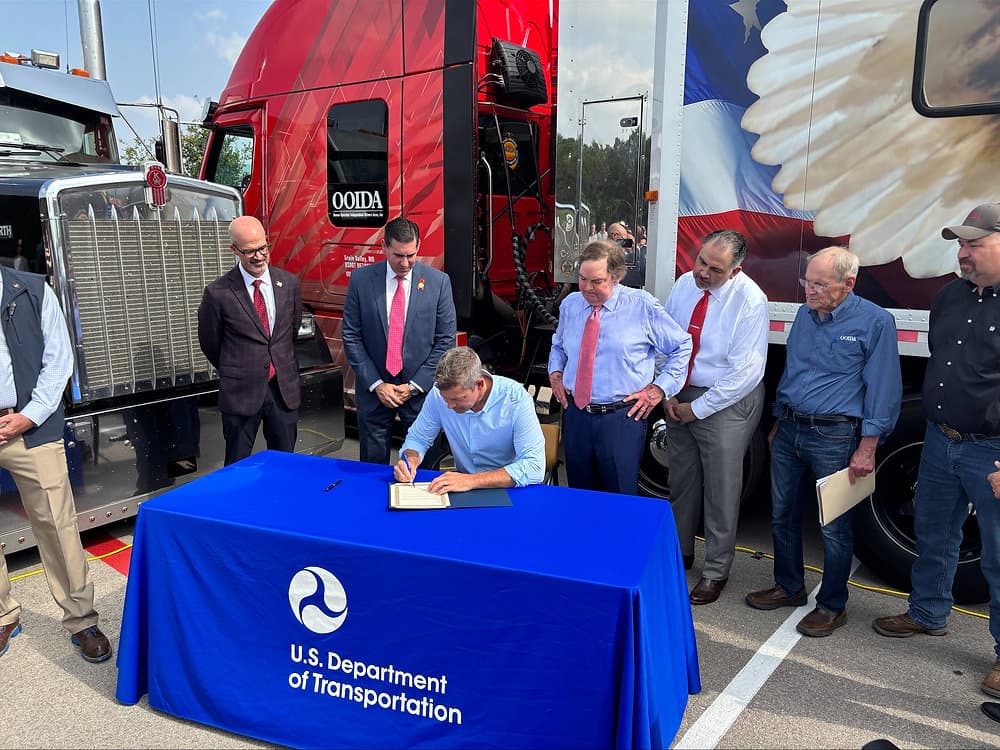
FMCSA issues enforcement policy on English proficiency
On May 20, 2025, the Federal Motor Carrier Safety Administration (FMCSA) issued its much anticipated Enforcement Policy on English language proficiency (ELP) requirements for commercial motor vehicle (CMV) drivers. Prompted by Executive Order 14286, signed by President Trump on April 28, 2025, and titled “Enforcing Commonsense Rules of the Road for America’s Truck Drivers,” this guidance, effective as of May 20, 2025, aims to guide law enforcement in their application of the ELP requirement in 4
Brandon Wiseman
How reported fleet size impacts compliance
The MCS-150 form, a mandatory filing with the Federal Motor Carrier Safety Administration (FMCSA), serves as a cornerstone of regulatory compliance for motor carriers operating in interstate commerce. This biennial report, or sooner if significant changes occur, requires carriers to provide critical operational details, including the number of power units—trucks, tractors, or buses—they own or operate, commonly referred to as the vehicle count or fleet size. This seemingly straightforward figure
Brandon Wiseman
How fleets can best prioritize compliance issues
Fleet safety teams face a complex challenge: ensuring compliance with Federal Motor Carrier Safety Administration (FMCSA) and related state regulations while juggling limited time and resources. Roadside inspection violations, Electronic Logging Device (ELD) data, audits, and accident claims all demand attention, often leaving safety teams uncertain about where to focus their attention. Of course, not all compliance issues are equally weighted. Some have the potential to cause significant headac
Brandon Wiseman
Preparing for Roadside Inspections: A Comprehensive Guide for Fleets and Commercial Drivers
Roadside inspections are a fundamental part of operating commercial motor vehicles (CMVs), ensuring that drivers and their equipment adhere to safety regulations that protect everyone on the road. For fleet managers and commercial drivers, being well-prepared for these inspections can streamline the process, reduce the risk of violations, and maintain a strong safety record. In this article, we break down who conducts these inspections, where they occur, the types involved, how they unfold, what
Brandon Wiseman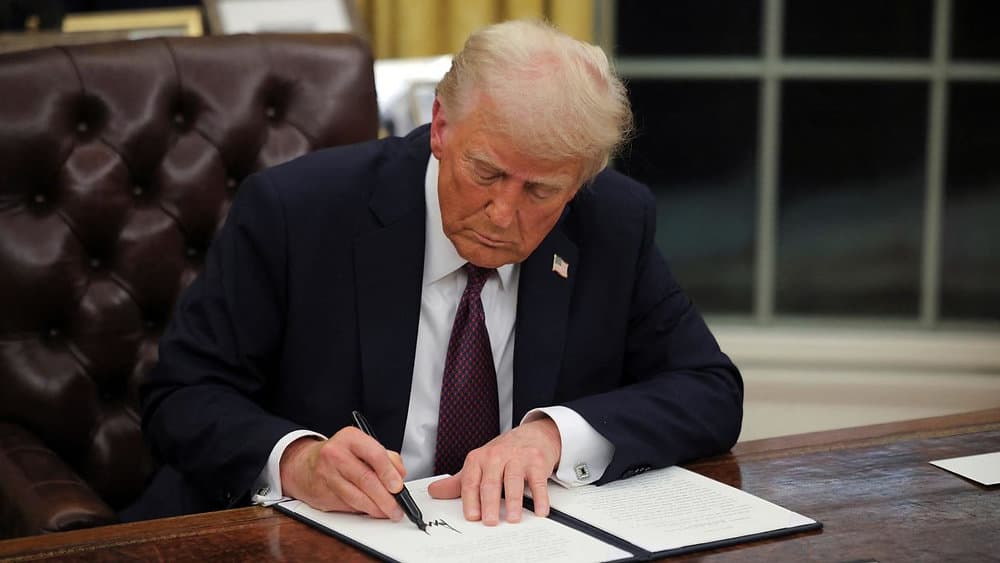
Trump cracks down on English-proficiency among truck drivers in new executive order
On April 28, 2025, President Donald J. Trump signed an Executive Order titled “Enforcing Commonsense Rules of the Road for America’s Truck Drivers." For trucking companies, drivers, and safety professionals, the order represents a significant shift in federal policy, particularly in its rigorous enforcement of English proficiency requirements for commercial motor vehicle (CMV) operators. In this article, we summarize the executive order, explore its implications, and provide historical context,
Brandon Wiseman
Arkansas enacts new English proficiency law
On April 14, 2025, Arkansas passed Act 604 into law, a sweeping piece of legislation that reshapes the landscape for commercial driver’s license holders operating within the state. The law introduces rigorous requirements aimed at ensuring safety and compliance on Arkansas highways. It mandates that drivers with foreign commercial driver’s licenses possess valid U.S. work authorization, demonstrate proficiency in the English language, and face stiff penalties for presenting fraudulent licenses.
Brandon WisemanNever Miss an Update
Get in-depth DOT compliance articles and breaking regulatory news delivered right to your inbox
Join thousands of safety professionals staying informed on DOT compliance