
Expert Insights on DOT Compliance
In-depth analysis, regulatory updates, and practical compliance guidance from transportation attorneys and industry experts.

Congressman Josh Brecheen Reintroduces DRIVE Act to Oppose Federal Speed Limiter Mandate
On April 10, 2025, Congressman Josh Brecheen (R-OK) reintroduced the Deregulating Restrictions on Interstate Vehicles and Eighteen-Wheelers (DRIVE) Act (H.R. 2819). This legislation aims to prevent the Federal Motor Carrier Safety Administration (FMCSA) from mandating speed limiters on commercial vehicles exceeding 26,000 pounds engaged in interstate commerce. Brecheen originally introduced the DRIVE Act in May 2023, but that version of the bill stalled in committee and never advanced to a floor
 Brandon Wiseman
FMCSA to void over 15,000 driver med cards and remove non-compliant medical examiners from National Registry
On April 11, 2025, the U.S. Department of Transportation (USDOT), through the Federal Motor Carrier Safety Administration (FMCSA), has proposed the removal of two Houston-area medical examiners from the National Registry of Certified Medical Examiners (NRCME) for failure to properly perform physical qualification exams required for commercial motor vehicle (CMV) drivers. This move, which impacts over 15,000 drivers, underscores the agency’s commitment to ensuring only qualified professionals par
Brandon Wiseman
SCOTUS opens the door for truckers to sue over mislabeled CBD products
On April 2, 2025, the U.S. Supreme Court issued a 5-4 decision in Medical Marijuana, Inc. v. Horn, an important case with implications for regulated trucking. The Court ruled that a commercial truck driver could seek treble damages under the Racketeer Influenced and Corrupt Organizations Act (RICO) for financial losses (i.e., being out of a job) resulting from a mislabeled CBD product that led to a positive drug test and his termination.NEW Supreme Court ruling on CBD & truckers | What drivers n
Brandon Wiseman
Changes in store for CDL medical examiner certification process
Learn how FMCSA’s Medical Examiner’s Certification Integration Rule will impact fleets, drivers, and compliance procedures when it takes eff
Brandon Wiseman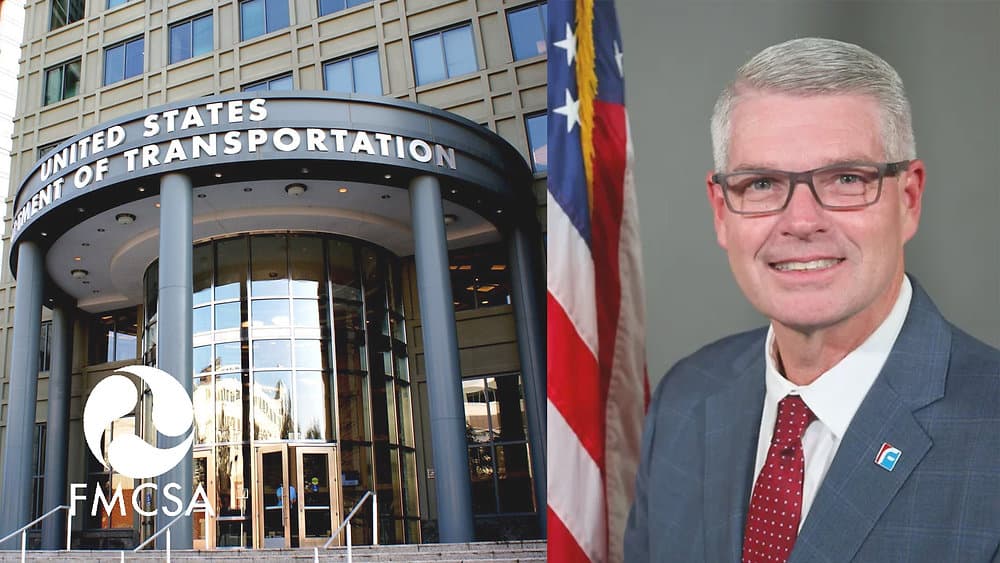
Trump nominates Derek Barrs as FMCSA Administrator
Just a few short weeks after announcing the appointment of Adrienne Camire as FMCSA's Acting Administrator, the Trump Administration has just announced the nomination of Derek Barrs to head the agency. Barrs formerly served as the Chief of the Florida Highway Patrol and was more recently appointed by Florida Governor Ron DeSantis to the Flagler County School Board. Barrs is also a member of the American Trucking Associations' Law Enforcement Advisory Board as well as the Florida Trucking Associa
Brandon Wiseman
Is your fleet audit ready?
For trucking companies, regulatory compliance isn’t just about avoiding fines—it’s about ensuring the safety of drivers, protecting the public, and maintaining the ability to operate efficiently. One of the most significant regulatory hurdles a motor carrier can face is an FMCSA compliance review. Whether it’s a new entrant safety audit, a focused review, or a full-scale compliance investigation, being prepared is crucial to keeping your fleet on the road and in good standing with regulators.Und
Brandon Wiseman
Compliance Myth: "Not for hire" means not regulated
One of the more common misunderstandings in the trucking industry is the belief that displaying “Not for Hire” on a truck somehow exempts it from federal or state motor carrier safety regulations. This myth has led many private carriers—those that transport their own goods rather than hauling freight for others—to operate under the false assumption they are not subject to regulatory oversight. The truth, however, is that the applicability of the vast majority of FMCSA and related state regulatio
Brandon Wiseman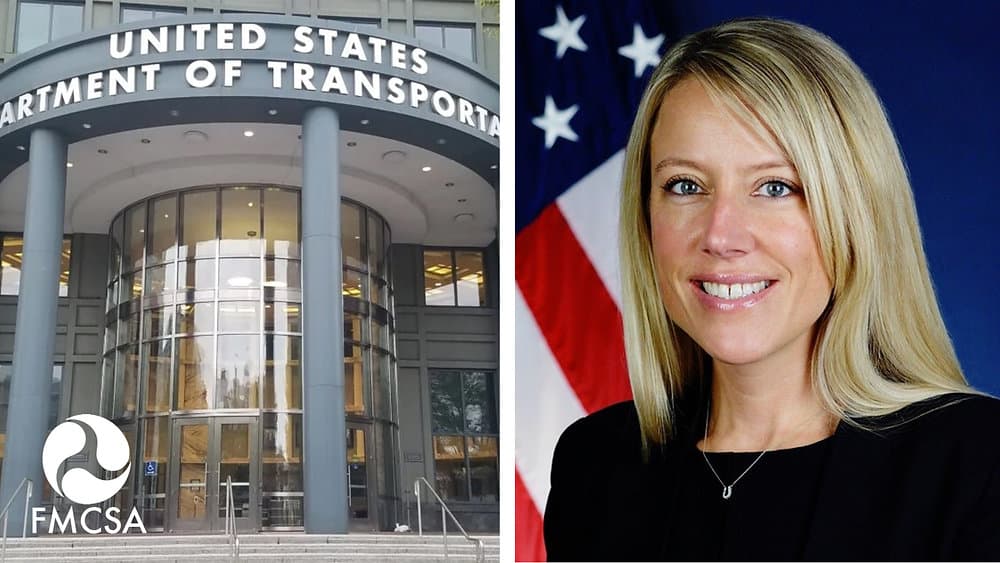
Adrienne Camire appointed as new FMCSA Acting Administrator
The U.S. Department of Transportation (USDOT) has appointed Adrienne Camire as the new Deputy Administrator and Acting Administrator of the Federal Motor Carrier Safety Administration (FMCSA). In this role, Ms. Camire will oversee FMCSA’s mission to enhance commercial motor vehicle safety, improve the efficiency of the nation’s freight and passenger transportation systems, and implement regulatory oversight.Unlike a Senate-confirmed Administrator, an Acting Administrator serves in a temporary ca
Brandon Wiseman
Navigating the Overlap: Federal vs. State Motor Carrier Safety Regulations
I. IntroductionThe regulation of motor carriers in the United States is a complex system involving both federal and state oversight. While the Federal Motor Carrier Safety Regulations (FMCSRs) establish nationwide safety standards for commercial motor vehicles (CMVs) operating in interstate commerce, individual states have the authority to regulate intrastate motor carriers within their borders. This dual regulatory structure often creates challenges for carriers trying to maintain compliance ac
Brandon WisemanNever Miss an Update
Get in-depth DOT compliance articles and breaking regulatory news delivered right to your inbox
Join thousands of safety professionals staying informed on DOT compliance