
Expert Insights on DOT Compliance
In-depth analysis, regulatory updates, and practical compliance guidance from transportation attorneys and industry experts.

Understanding FMCSA's Oilfield Exemptions
The Federal Motor Carrier Safety Regulations (FMCSRs) under 49 CFR 395.1(d) provide specific exemptions tailored for oilfield operations, commonly referred to as the "oilfield exemptions." These exemptions recognize the unique demands of the oil and gas industry and offer flexibility to drivers engaged in particular oilfield activities. This article delves into the two primary exemptions, detailing their applicability, offering practical usage tips, and highlighting potential pitfalls to avoid.U
 Brandon Wiseman
Qualification considerations for multiple-employer drivers
In other articles, we've harped on the importance of thoroughly vetting commercial drivers. Missteps in the qualification process regularly contribute to high CSA scores, downgraded safety ratings, and nuclear verdicts. Part 391 of the Federal Motor Carrier Safety Regulations, and related state rules, lay out the steps regulated carriers must follow when qualifying new drivers. Driver applications, previous employer safety performance history requests, motor vehicle reports (MVRs), and road test
Brandon Wiseman
When are drivers eligible for a 16-hour driving window?
If you're a property-carrying motor carrier or driver, you're undoubtedly familiar with the so-called 14-hour rule, which requires commercial drivers to complete all their driving activities within the first 14 hours of first coming on duty following a 10 consecutive hour off-duty break. See 49 CFR 395.3(a)(2). It's one of the fundamental hours limitations contained within the broader hours-of-service rules in Part 395 of the Federal Motor Carrier Safety Regulations (FMCSRs), along with others l
Brandon Wiseman
FMCSA soliciting waiver requests to reinstate meal & rest break laws
In what seems like an unprecedented move, the Federal Motor Carrier Safety Administration (FMCSA) is soliciting regulatory waiver requests from the public, which, if granted, could reinstate California's and Washington's meal and rest break rules as applied to regulated commercial drivers. In a notice published to the Federal Register on August 14, 2023, the FMCSA explained, "the Agency will consider petitions for waiver of its December 21, 2018, and January 13, 2020, decisions preempting the St
Brandon Wiseman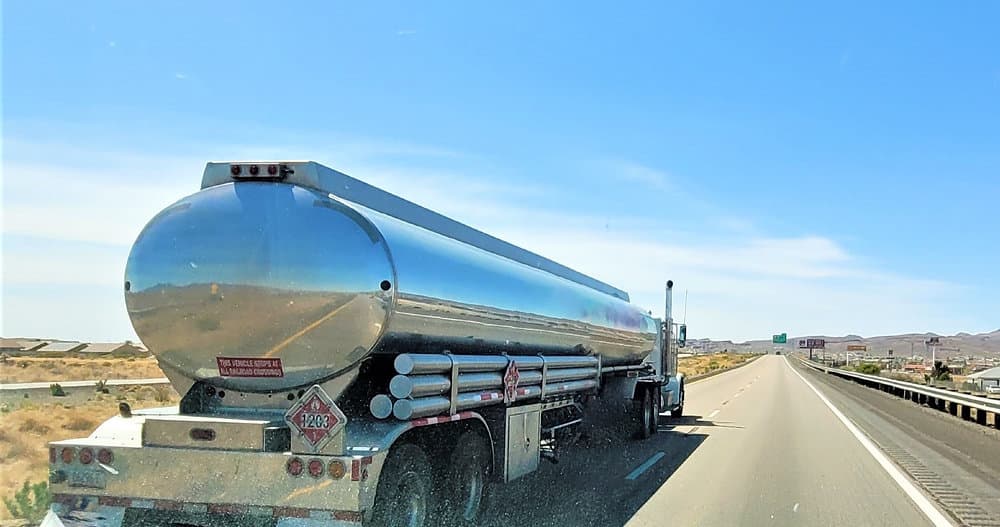
PHMSA contemplating several revisions to Hazardous Materials Regulations
The Pipeline & Hazardous Materials Administration (PHMSA)--the federal agency that regulates the multi-modal transportation of hazmat--is proposing several potentially-significant revisions to its Hazardous Materials Regulations (HMRs), according to an Advanced Notice of Proposed Rulemaking (ANPRM) published on July 5, 2023. According to the Notice, "PHMSA is publishing this ANPRM to solicit stakeholder feedback on initiatives PHMSA is considering that may modernize the Hazardous Materials Regul
Brandon Wiseman
FMCSA to implement operating authority exemption for providers of recreational activities
According to a June 2023 Notice of Proposed Rulemaking, The Federal Motor Carrier Safety Administration (FMCSA) intends to publish new rules to implement a statutory exemption from the interstate for-hire operating authority requirement for certain providers of "recreational activities." This proposal comes on the heels of the agency's recent efforts to clarify what types of passenger operations implicate other aspects of its regulations. According to the agency, Section 23012 of Congress's Inf
Brandon Wiseman
When trucking regulations run amok
Regulations have been my profession, my life, for many years. Trucking regulations, to be precise. I’ve devoted my career to helping fleets better understand and comply with the hundreds of safety-related regulations that govern their operations. And I step in to defend those fleets when they inevitably run afoul of the rules. Trucking is a heavily regulated industry, understandably so. It’s dangerous. Thousands of people die in the U.S. each year in accidents involving large trucks and buses, n
Brandon Wiseman
FMCSA proposes to scale back regulatory relief during declared emergencies
According to a notice scheduled to be published in the Federal Register soon, the Federal Motor Carrier Safety Administration (FMCSA) is proposing to "narrow the scope of regulations from which relief is provided automatically for motor carriers providing direct assistance when an emergency has been declared."For decades, the agency's regulations have granted fairly broad regulatory relief to those providing direct assistance to "emergency relief efforts" following emergency declarations issued
Brandon Wiseman
COVID-19 emergency HOS exemption lapses
The Federal Motor Carrier Safety Administration (FMCSA) has chosen not to renew its Covid-19 emergency declaration that had been in place since March 2020 and provided some regulatory relief (primarily HOS-related) for carriers and drivers transporting certain commodities as part of the emergency relief efforts like vaccines, food supplies, etc. The declaration, which the agency had renewed several times over the past two years, expired on October 15th. According to the FMCSA's website, "There a
Brandon WisemanNever Miss an Update
Get in-depth DOT compliance articles and breaking regulatory news delivered right to your inbox
Join thousands of safety professionals staying informed on DOT compliance