Your Business Isn't Trucking. Your Trucks Still Answer to the DOT.
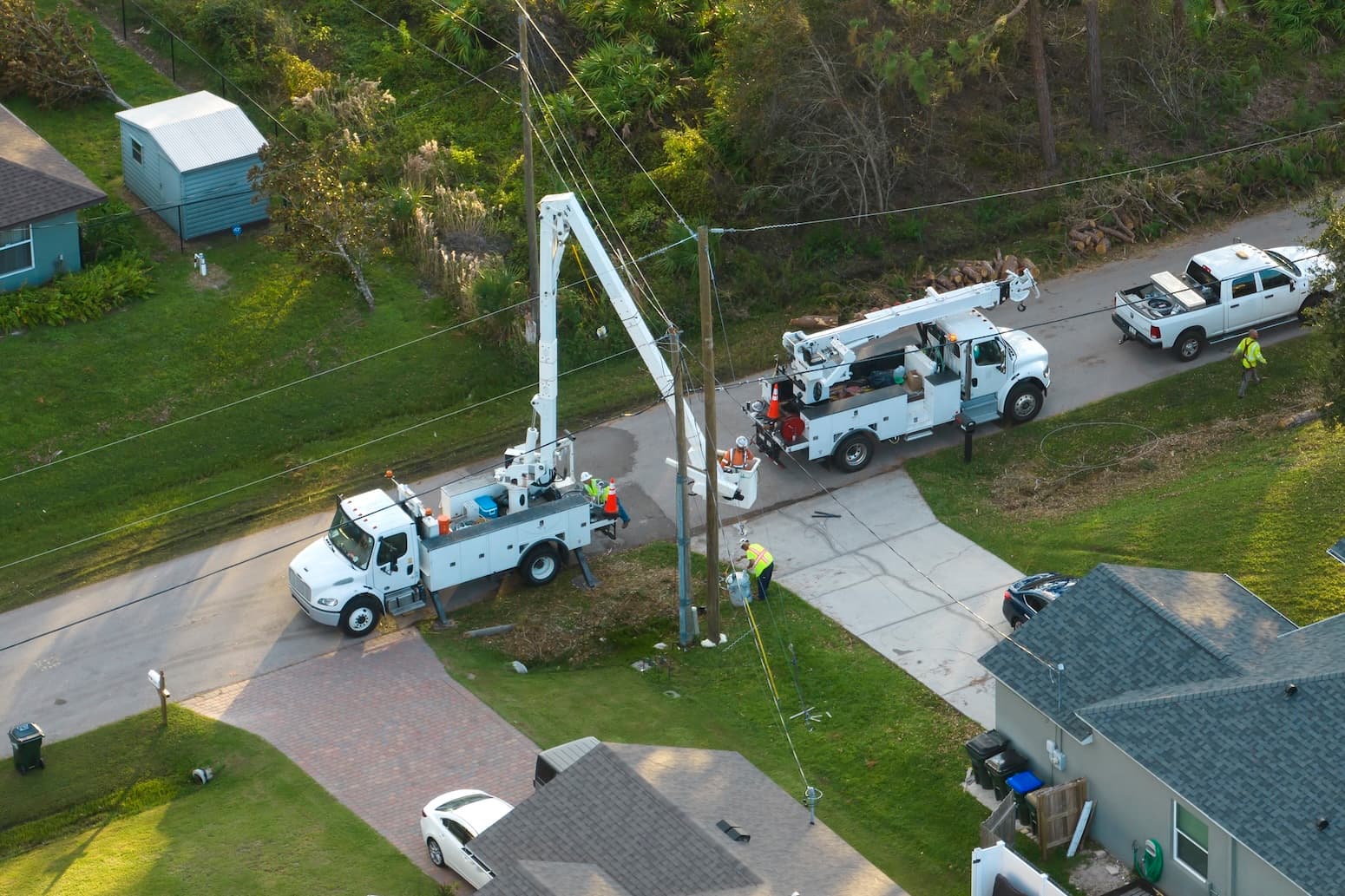
Contractors, utilities, landscapers, well drillers, farms and distributors run trucks to support the work they do. Many of those trucks are commercial motor vehicles under federal rules, and the company that operates them carries the same core compliance responsibilities as a trucking company.
Written for companies like yours
When Do DOT Rules Apply to Your Trucks?
Being “not for hire” doesn't take a company out of the federal safety rules. What matters is the vehicle and the kind of commerce it's used in. These are the most common triggers.
Compliance Myth: Not for Hire = Not Regulated
A vehicle or combination rated over 10,000 pounds
In interstate commerce, a truck, or a truck and trailer, with a gross weight rating or actual weight of 10,001 pounds or more is a commercial motor vehicle under 49 CFR 390.5. That includes many pickups pulling equipment trailers.
Placarded hazardous materials
Hauling hazmat in quantities that require placards brings a vehicle under the rules at any weight, along with the hazmat regulations.
Vehicles that carry passengers
Vans and buses designed or used to carry 9 to 15 people including the driver for compensation, or 16 or more including the driver, are commercial motor vehicles.
Trucks that need a CDL
A truck rated over 26,000 pounds, a combination over 26,000 pounds pulling a trailer rated over 10,000 pounds, 16 or more passengers including the driver, or placarded hazmat requires a CDL, interstate or intrastate. CDL drivers also bring drug and alcohol testing.
Staying inside one state?
Interstate commerce can include trips that never cross a state line, and most states apply their own versions of these rules to intrastate fleets, sometimes at different weights. Exemptions for agriculture, short-haul and oilfield operations exist, but each has limits. How the DOT distinguishes interstate from intrastate commerce

Am I Regulated? Flow Chart
A one-page chart for property carriers and another for passenger carriers showing which federal rules apply at which weights and seating capacities. Print it and keep it by the desk.
What Your Company Is Responsible For
When your vehicles are commercial motor vehicles, these responsibilities sit with your company, usually with whoever handles safety, fleet or HR. An auditor or investigator will ask to see the records for each.
USDOT number & vehicle marking
Registering with FMCSA, keeping the registration current, and marking vehicles with your name and USDOT number.
Driver qualification files
Applications, motor vehicle records, road tests, medical certificates and annual reviews for every CMV driver.
Drug & alcohol testing
For CDL drivers: pre-employment, random, post-accident and reasonable suspicion testing, plus the Clearinghouse.
Hours of service
Driving and on-duty limits and records of duty status, including when the short-haul exception lets local drivers skip logs.
Inspection, repair & maintenance
A systematic maintenance program, driver vehicle inspection reports, annual inspections and the records behind them.
Accident register
A record of DOT recordable accidents, and how they show up in your public safety data.
Training for the People Who Run Your Fleet
Self-paced online courses from Trucksafe Academy, taught by transportation attorneys and compliance professionals. Two ways to get them.
Buy course seats
One-time purchase per person. Volume discounts apply automatically at checkout, from 10% off at 2 seats up to 35% off at 51 or more.
Compliance+ membership
For the one person who handles safety, fleet and compliance alongside everything else. One membership covers the training and the ongoing help.
- All Trucksafe Academy courses, including Safety Managers and Reasonable Suspicion
- Policy templates, checklists, guides and forms
- Monthly regulatory updates and alerts
- Live and on-demand webinars
- The Trucksafe Network community
Watch: The Basics, in Short Videos
Quick explainers from Trucksafe's attorneys and compliance team. More on our videos page.
Who needs a USDOT number?
How the DOT distinguishes interstate and intrastate commerce
DOT short-haul exemption explained
DOT agricultural exemptions
Tips for managing driver files
Keys to compliant vehicle maintenance files
Further Reading
Common Questions
We only haul our own equipment and materials. Do DOT rules apply to us?
Often, yes. The federal safety regulations apply to private motor carriers, not only to companies that haul freight for others. If your company operates commercial motor vehicles in interstate commerce, most of the same requirements apply whether or not you are paid to haul.
Our trucks never leave the state. Are we exempt?
Not necessarily. Interstate commerce can include trips that stay inside one state when the cargo is part of a longer interstate movement. And most states apply their own versions of the safety rules to intrastate carriers, sometimes with different weight thresholds. CDL and drug and alcohol testing rules apply to intrastate CDL drivers as well.
Does a pickup truck with a trailer count?
It can. The 10,001-pound threshold looks at the combined weight rating (or actual weight) of the truck and trailer together. A heavy-duty pickup pulling an equipment trailer commonly crosses it.
Does the short-haul exemption mean our local drivers are exempt from the rules?
No. The short-haul exception relieves qualifying drivers from keeping logs and using ELDs. It does not exempt them from the hours-of-service limits, driver qualification, vehicle maintenance or, for CDL drivers, drug and alcohol testing.
Who needs reasonable suspicion training?
Supervisors who may make reasonable suspicion determinations for CDL drivers subject to drug and alcohol testing must complete at least 60 minutes of training on alcohol misuse and 60 minutes on controlled substances use (49 CFR 382.603).
General information, not legal advice. Requirements depend on your vehicles, operations and state.
Not Sure Where Your Fleet Stands?
Trucksafe's team helps companies figure out which rules apply to their trucks and get their records in order.