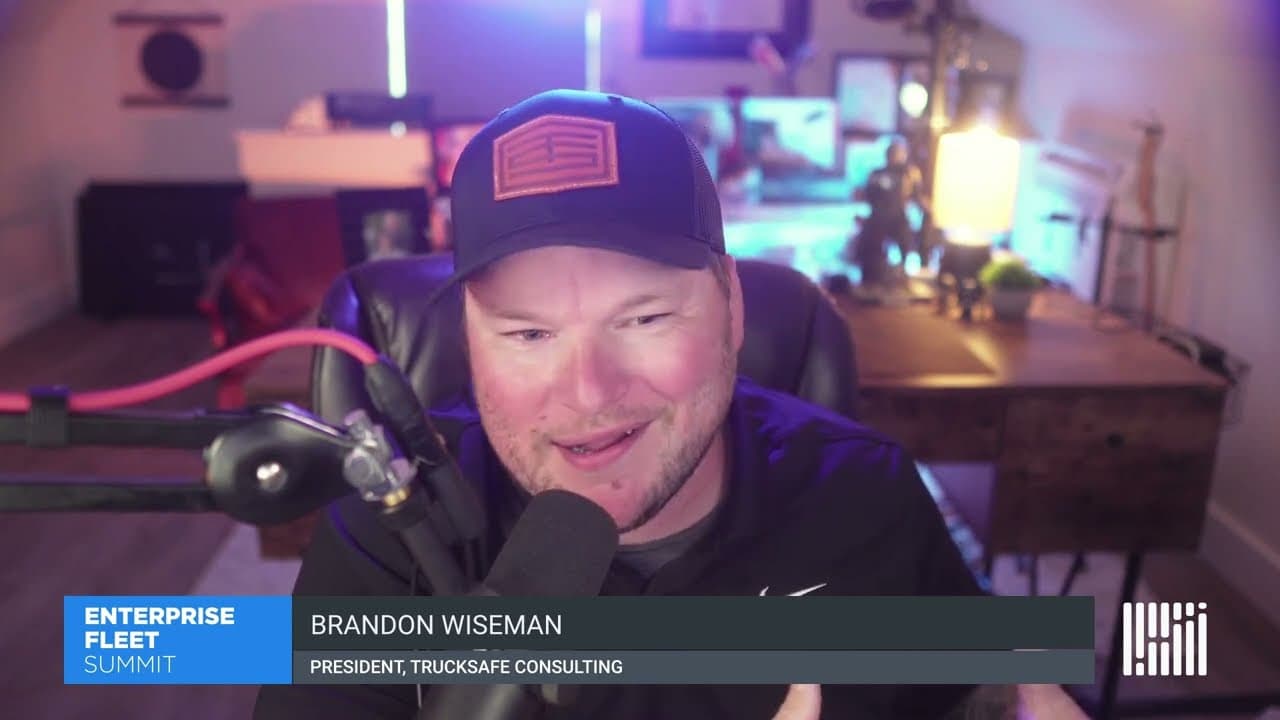
Wiseman addresses fleet safety & compliance at FreightWaves Fleet Summit
Trucksafe's president Brandon Wiseman recently presented on DOT safety & compliance at the FreightWaves Enterprise Fleet Summit. Wiseman joined host Anthony Smith to discuss some of the most pressing compliance issues faced by fleets today, including hours-of-service violations, CBD use among drivers, offsite DOT audits, and much more. Catch the replay below!About Trucksafe Consulting, LLC: Trucksafe Consulting is a full-service DOT regulatory compliance consulting and training service. We help
When trucking regulations run amok
Regulations have been my profession, my life, for many years. Trucking regulations, to be precise. I’ve devoted my career to helping fleets better understand and comply with the hundreds of safety-related regulations that govern their operations. And I step in to defend those fleets when they inevitably run afoul of the rules. Trucking is a heavily regulated industry, understandably so. It’s dangerous. Thousands of people die in the U.S. each year in accidents involving large trucks and buses, n
 Brandon Wiseman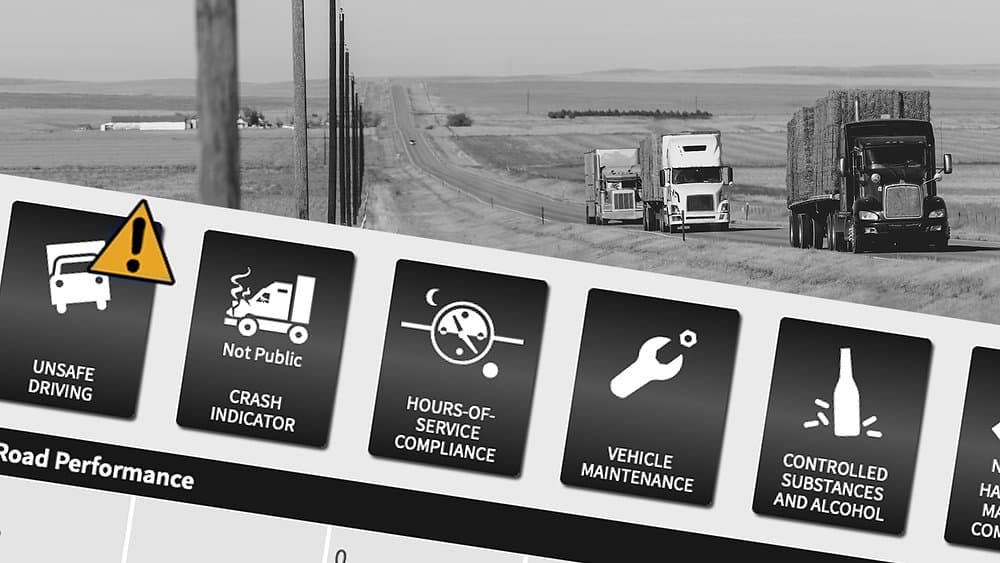
FMCSA proposes substantial revisions to its Safety Measurement System (SMS)
The Federal Motor Carrier Safety Administration (FMCSA) is proposing fairly substantial changes to its Safety Measurement System (SMS) also known as CSA, which the agency uses to prioritize motor carriers for enforcement. According to a notice published in the Federal Register on February 15, 2023, "FMCSA continues its commitment to continuously improving SMS to identify motor carriers that present the highest crash risk through a transparent and effective system." We'll break it all down in thi
Brandon Wiseman
Understanding FMCSA civil penalties
In January 2023, the Federal Motor Carrier Safety Administration (FMCSA) announced inflation-adjusted increases to its civil penalties. Now, it’s probably not surprising to you that the FMCSA is vested with the authority to enforce its safety regulations by assessing civil penalties. It’s really no different than other government agencies imposing fines for other types of non-compliance. That in mind, there are some nuances to the FMCSA’s civil penalties which are worth discussing, at least at a
Brandon Wiseman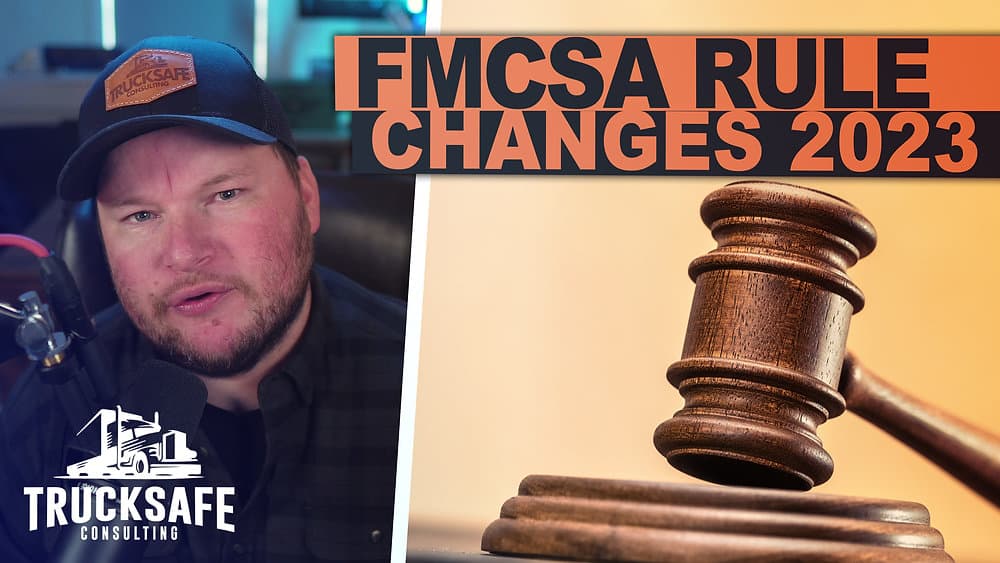
FMCSA rule changes for 2023?
2022 was a big year for trucking and a fairly busy one for regulators. We saw a lot of new rules come out of the Federal Motor Carrier Safety Administration (FMCSA) this year, including most notably the Entry Level Driver Training regulations from February. But with 2022 coming to a close, the question is what’s in store for 2023 from a regulatory perspective. That's what we're discussing in this article. It's no surprise that highway transportation is very heavily regulated, at least from a sa
Brandon Wiseman
FMCSA proposes to scale back regulatory relief during declared emergencies
According to a notice scheduled to be published in the Federal Register soon, the Federal Motor Carrier Safety Administration (FMCSA) is proposing to "narrow the scope of regulations from which relief is provided automatically for motor carriers providing direct assistance when an emergency has been declared."For decades, the agency's regulations have granted fairly broad regulatory relief to those providing direct assistance to "emergency relief efforts" following emergency declarations issued
Brandon Wiseman
FMCSA contemplating electronic vehicle identification tags
Among its flurry of recently-published notices, the Federal Motor Carrier Safety Administration (FMCSA) has announced it is seeking comments on whether the agency should amend its regulations to require "every commercial motor vehicle (CMV) operating in interstate commerce to be equipped with electronic identification (ID) technology capable of wirelessly communicating a unique ID number when queried by a Federal or State motor carrier safety enforcement personnel." The agency's notice is a resp
Brandon Wiseman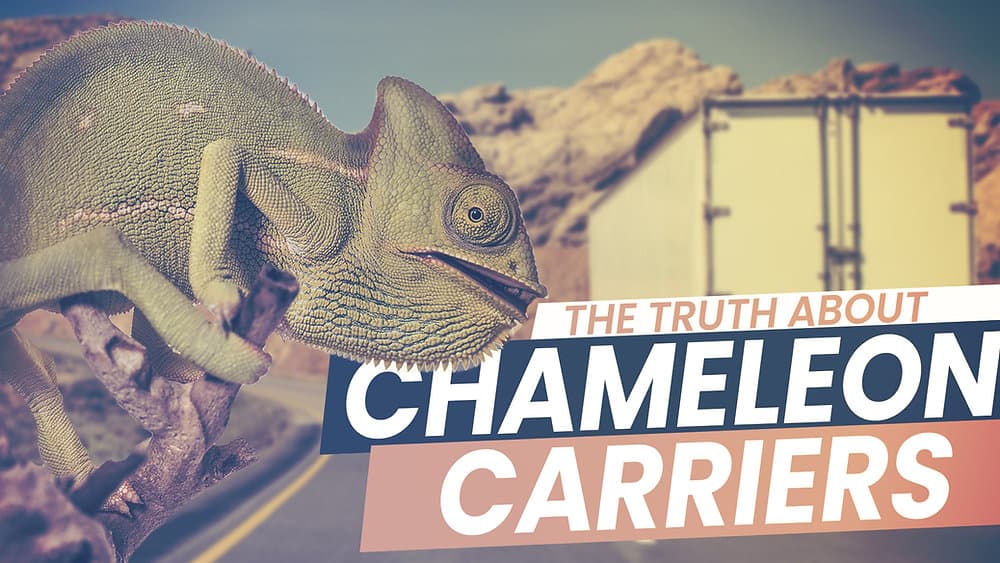
What are chameleon carriers?
Chameleons--the reptiles, that is--are known for their ability to change their physical appearance to blend into their surroundings. The Federal Motor Carrier Safety Administration (FMCSA), which is primarily responsible for regulating highway safety, has ascribed similar characteristics to nefarious motor carriers who attempt to avoid the consequences of non-compliance by closing up shop and reincarnating under a different name or USDOT number. These so-called "chameleon carriers" believe that
Brandon Wiseman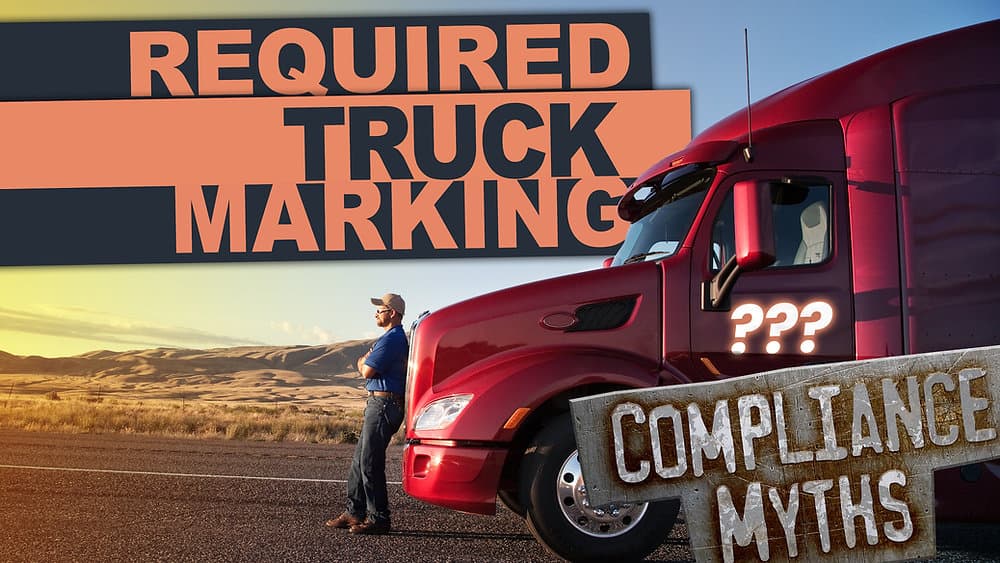
Compliance Myths: Required truck markings
With as much variability in truck markings as there is, you'd be inclined to think there isn't some standard or regulation on the topic.
Brandon WisemanNever Miss an Update
Get in-depth DOT compliance articles and breaking regulatory news delivered right to your inbox
Join thousands of safety professionals staying informed on DOT compliance