
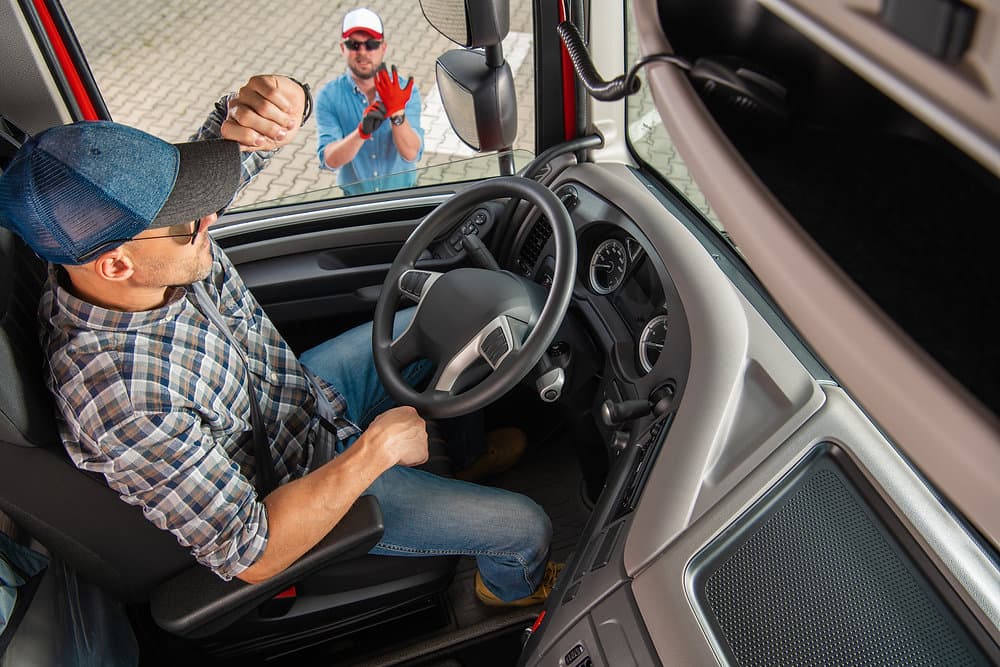
When should trucking companies hire a dedicated safety director?
Whether you've just started your motor carrier operation or have been at it for some time, you undoubtedly know that trucking is a heavily regulated industry, and for good reason. Operating large trucks and buses is inherently dangerous. The consequences of unsafe operations can be severe. Navigating the multitude of federal and state safety regulations that govern highway transportation and implementing effective policies and procedures to minimize accidents are tall tasks. And they probably ha
 Brandon Wiseman
5 steps to improve your out of service rates
Out of service rates are important metrics for regulated motor carriers. These rates, which are publicly available on each carrier’s SAFER profile, indicate how frequently a carrier’s vehicles and drivers are being placed out of service (i.e., prohibited from operating) for serious violations during roadside inspections. As we detailed in a previous article, out of service rates are one of five critical safety metrics that fleets should be closely monitoring and working to improve. High rates ca
Brandon Wiseman
Applicability of federal motor carrier regulations to passenger operations
The Federal Motor Carrier Safety Administration (FMCSA) is the federal agency charged with regulating the interstate operation of commercial motor vehicles. It does so through its promulgation and enforcement of its Federal Motor Carrier Safety Regulations (FMCSRs) in title 49 of the Code of Federal Regulations, Parts 390-399. The manner in which the FMCSA regulates property carriers differs from the way it regulates passenger carriers. As addressed in a prior article, the applicability of the F
Brandon Wiseman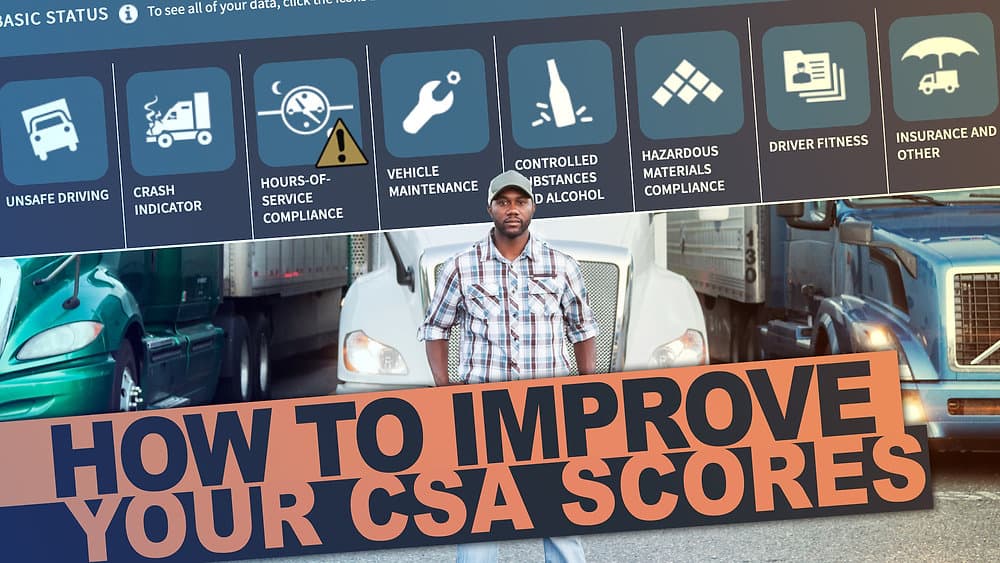
How to improve your CSA scores
CSA scores are a big deal for regulated motor carriers. High CSA scores can lead to increased insurance premiums, lost business, and heightened exposure in highway accident litigation. Keeping your scores as low as possible is important, but how do you do it? That's the million dollar question. Although the answer is pretty straightforward, it's unfortunately not what most fleets want to hear. Lowering your CSA scores (and keeping them low) takes time and effort. There is no magic wand. There ar
Brandon Wiseman
Compliance myth: 10-year employment history
There's a lot that goes into qualifying a regulated driver: applications, motor vehicle reports, license checks, drug tests...and the list goes on! One particularly critical component of the driver qualification process is the past employment verifications that prospective motor carrier employers must make on every driver applicant. Of course, in order to conduct these verifications, carriers must first know for whom an applicant has worked in the past. But how far in the past must driver applic
Brandon Wiseman
What are chameleon carriers?
Chameleons--the reptiles, that is--are known for their ability to change their physical appearance to blend into their surroundings. The Federal Motor Carrier Safety Administration (FMCSA), which is primarily responsible for regulating highway safety, has ascribed similar characteristics to nefarious motor carriers who attempt to avoid the consequences of non-compliance by closing up shop and reincarnating under a different name or USDOT number. These so-called "chameleon carriers" believe that
Brandon Wiseman
Answering ELDT questions
In this post, we're answering all your burning questions about the FMCSA’s Entry-Level Driver Training (ELDT) rule--to whom it applies, who is exempt, and everything in between! For an in-depth breakdown of the rule itself, be sure to check out our prior article. As of the date of this article, we’re about 5 months into the new ELDT requirement, which took effect February 7, 2022. Without a doubt, the rule is a pretty big one…impacting every individual who is now seeking a Class A or B CDL or ce
Brandon Wiseman
Understanding the Pre-Employment Screening Program (PSP)
At its heart, PSP provides carriers, individual drivers, and industry service providers access to commercial drivers' safety records from th
Brandon Wiseman
What fleets need to know about Entry-Level Driver Training (2022)
Trucksafe's President and transportation attorney Brandon Wiseman recently joined Tenstreet to discuss the recently implemented Entry-Level Driver Training (ELDT) rule and what motor carriers need to understand about that rule. In this article, we'll recap some of the most frequently asked questions about ELDT. Impact of new ELDT on existing training requirementsHistorically, the Federal Motor Carrier Safety Regulations (FMCSRs) have had very little to say about mandatory training for commercial
Never Miss an Update
Get in-depth DOT compliance articles and breaking regulatory news delivered right to your inbox
Join thousands of safety professionals staying informed on DOT compliance