
Navigating the Overlap: Federal vs. State Motor Carrier Safety Regulations
I. IntroductionThe regulation of motor carriers in the United States is a complex system involving both federal and state oversight. While the Federal Motor Carrier Safety Regulations (FMCSRs) establish nationwide safety standards for commercial motor vehicles (CMVs) operating in interstate commerce, individual states have the authority to regulate intrastate motor carriers within their borders. This dual regulatory structure often creates challenges for carriers trying to maintain compliance ac
 Brandon Wiseman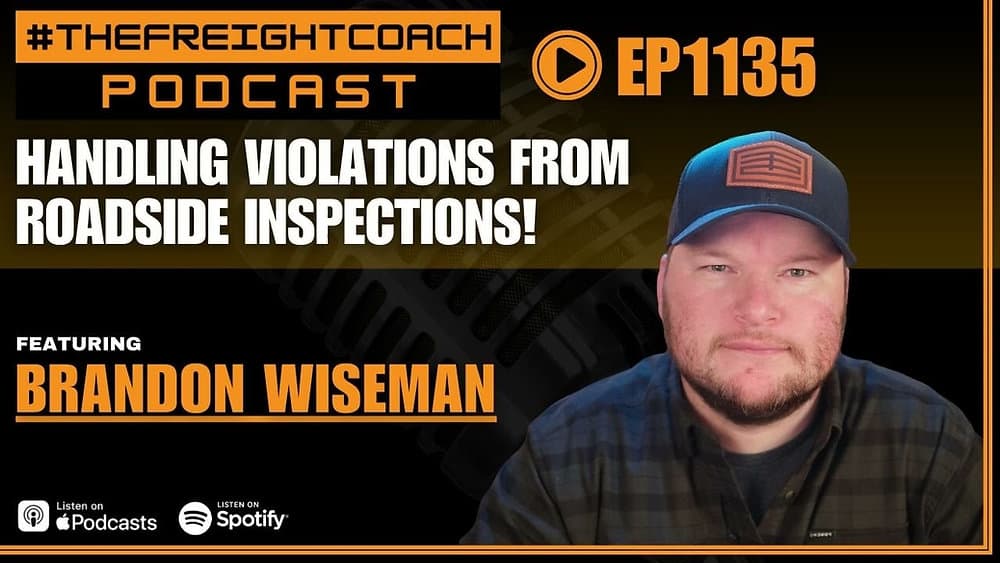
Trucksafe's Wiseman discusses CSA scores, broker liability & more on The Freight Coach Podcast
In a recent episode of The Freight Coach Podcast, host Chris Jolly welcomed Brandon Wiseman, founder of Trucksafe Consulting, to discuss the complexities of DOT compliance and safety within the trucking industry. Their conversation covered the challenges faced by new and established motor carriers, the importance of proactive compliance, and the impact of safety scores on business operations. They also explored the growing trend of nuclear verdicts, the role of Electronic Logging Devices (ELDs),
How fleets can best leverage the Crash Preventability Determination Program
Dealing with DOT-recordable accidents is stressful for all involved and can be a significant regulatory challenge for motor carriers. These incidents, regardless of fault, often lead to higher CSA scores, increased insurance premiums, and potential reputational damage. For many years (and even to this day), frustration has lied for carriers in being penalized for crashes that their drivers could not have prevented. Recognizing these concerns, the Federal Motor Carrier Safety Administration (FMCS
DQ, Personnel, and Drug & Alcohol Testing Files: Understanding the distinction
Managing compliance for regulated drivers in the trucking industry involves a myriad of record-keeping requirements. Among the most important are the Driver Qualification (DQ) File, the Personnel File, and the Drug & Alcohol Testing File. While these files serve different purposes, confusion about their distinctions and proper maintenance can lead to compliance issues and penalties. This article will explore each file type, explain why it is essential to keep them separate, and provide best prac
Brandon Wiseman
Top 5 roadside violations & how to avoid them
Commercial driving can be a challenging profession with significant responsibilities, especially when it comes to understanding and complying with the multitude of safety regulations that govern these operations. With so many rules to follow, even seasoned drivers can make mistakes that lead to roadside violations. On a recent episode of the Drive podcast by HandledNow, I had the privilege of addressing some of the top regulatory violations incurred by drivers and, more important, how they can a
Brandon Wiseman
Understanding FMCSA verifications of employment
Vetting commercial drivers to ensure they are properly qualified is one of the foundational regulatory obligations placed on motor carriers by federal and state safety regulations. As we've discussed in other articles, there's a lot that goes into qualifying drivers. But there's one aspect of driver qualification in particular that seems to cause quite a bit of confusion, and that's the so-called "verification of employment" or "safety performance history request" process. In this article, we br
Brandon Wiseman
5 things fleets can do today to significantly reduce risk
In addition to operational concerns, regulated trucking companies are tasked with navigating a complex web of responsibilities, with the safety of their drivers, cargo, and the motoring public firmly at the core. And it's no secret that fleets have a big target on their back when things go sideways. The consequences of non-compliance and unsafe operations are severe, with fleet-wide shutdowns and multi-million dollar jury verdicts becoming increasingly common. Fortunately, there are ways to sign
Brandon Wiseman
Keys to a compliant vehicle maintenance file
As a regulated fleet, there's no shortage of records you're required to maintain: driver qualification files, accident registers, insurance info, driver logs, drug/alcohol test results, just to name a few! One particularly important group of documents on that list are those pertaining to the maintenance of your commercial vehicles. Part 396 of the Federal Motor Carrier Safety Regulations compels motor carriers to properly inspect and maintain their equipment and document their efforts to do so
Brandon Wiseman
When is it appropriate for drivers to claim adverse driving condition exemption?
There's nothing quite as frustrating as being stuck in traffic for lengthy periods. Now multiply that frustration by at least ten when you're a commercial driver faced with the pressure of timely and safely delivering freight to an expectant customer on the one hand and staying within your allotted hours-of-service on the other. It's maddening! Fortunately, the Federal Motor Carrier Safety Regulations offer some regulatory relief to drivers faced with so-called "adverse driving conditions," at l
Brandon WisemanNever Miss an Update
Get in-depth DOT compliance articles and breaking regulatory news delivered right to your inbox
Join thousands of safety professionals staying informed on DOT compliance