
Driver Qualification
Everything motor carriers need to know about building compliant driver qualification files, employment verification, MVR monitoring, road tests, and the medical certification process under 49 CFR Part 391.
Trucksafe Academy: Get hands-on training with our self-paced compliance courses

NRII Waiver Has Ended: What Carriers Need to Know as the Paper Med Card Era Closes for CDL Drivers
FMCSA's NRII waiver allowing paper medical certificates has officially expired — but Alaska remains unable to support the electronic process. Here's what carriers need to know.
 Brandon Wiseman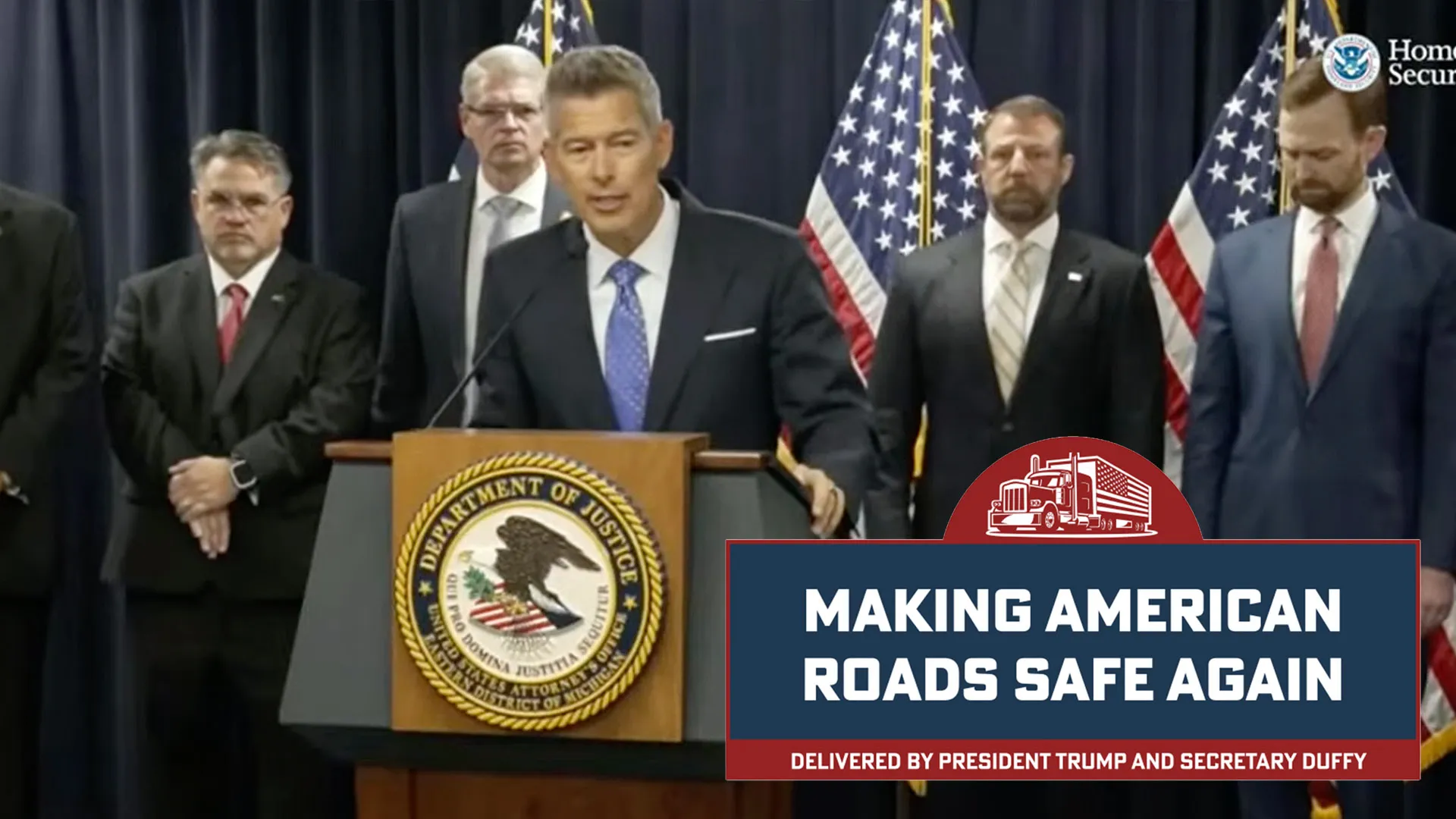
Federal Government Launches Historic Interagency Crackdown on CDL Fraud in Trucking
The U.S. Departments of Transportation, Homeland Security, and Justice have launched a historic interagency crackdown on CDL fraud, including emergency removal of 110+ training providers, a 40-state investigation, and formation of the Joint Task Force Crossroads of America. Here's what it means for compliant carriers.
Brandon Wiseman
States Sue FMCSA Over CDLIS Data Demand
Twenty-two states and D.C. have sued FMCSA over a demand for 17 million CDLIS driver records, threatening to shut down CDL issuance nationwide. Here's what the lawsuit means for your fleet and what to watch next.
Brandon Wiseman
FMCSA Proposes to Codify English Language Proficiency as an Out-of-Service Violation
FMCSA has proposed a rule that would formally codify English Language Proficiency (ELP) as an out-of-service violation under 49 CFR 391.11(b)(2). Here's what the NPRM means for your fleet and what you need to be doing right now.
Brandon Wiseman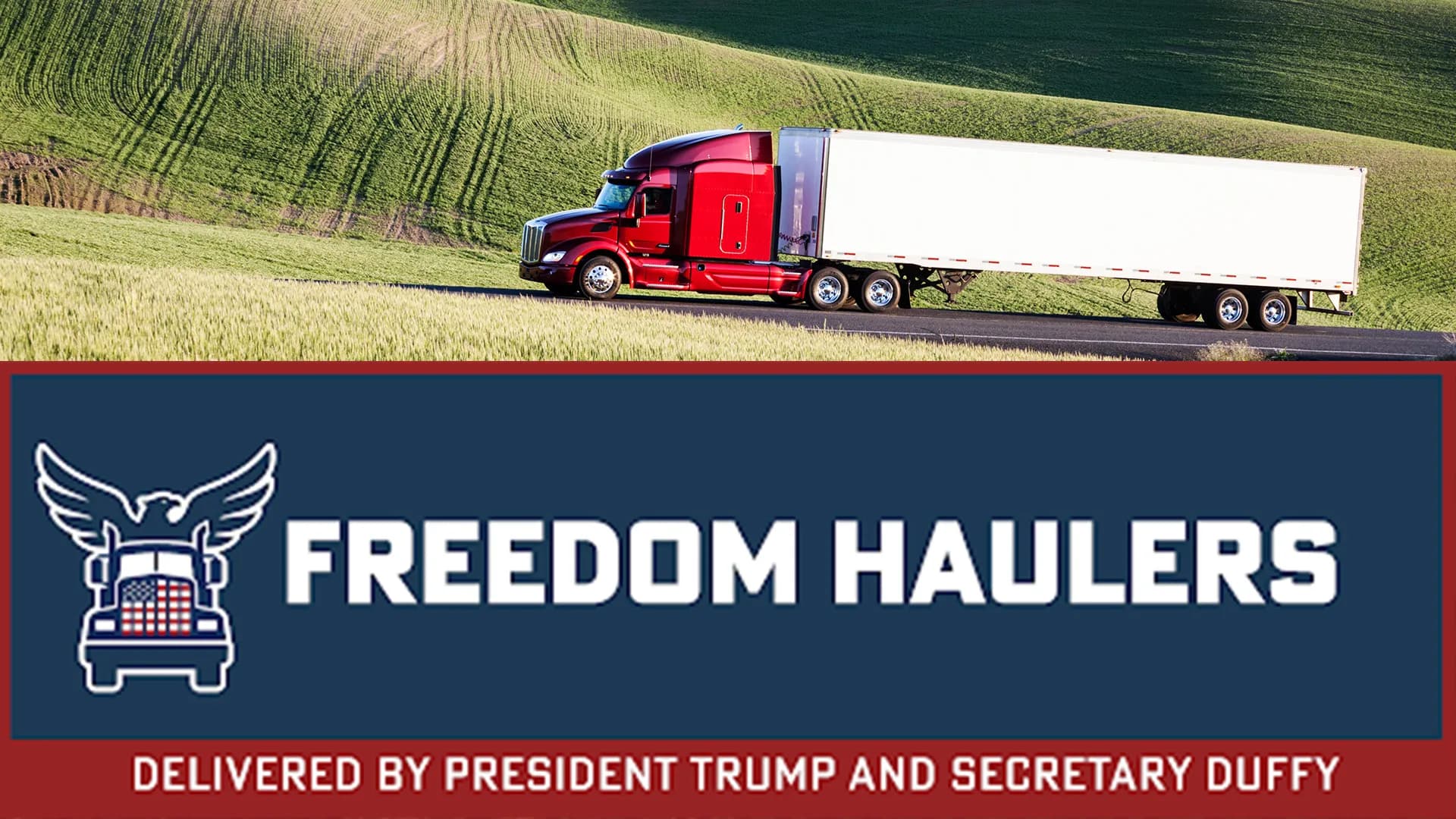
Freedom Haulers: What Fleet Owners & Safety Directors Need to Know About the New Veteran CDL Initiative
The Trump Administration's Freedom Haulers campaign expands veteran CDL fast-track programs, adds seven states to the Even Exchange Program, and doubles the Military Skills Test Waiver window to two years. Here's what fleet owners and compliance teams need to know.
Brandon Wiseman
FMCSA to withhold $73M in federal funds from New York
FMCSA withheld $73.5 million from New York after auditors found a 53% failure rate in non-domiciled CDL issuances. Here is what that audit means for your driver qualification files and what you need to do under 49 CFR Part 391.
Brandon Wiseman
Iowa English Proficiency Law Progresses Through State Legislature: What SF 2426 Means for Carriers
Iowa Senate File 2426 would establish one of the nation's first comprehensive state-level English proficiency requirements for CDL applicants, with carrier penalties up to $10,000 per violation. Here's what Iowa carriers need to know now.
Brandon Wiseman
FMCSA Extends NRII Waiver Through October 11, Continuing Paper Medical Certificate Relief
FMCSA has extended its NRII waiver through October 11, 2026, allowing continued reliance on paper medical certificates despite the agency’s push toward a fully electronic system. The extension confirms what the industry is already experiencing: delays in state posting of medical certifications are still creating gaps between qualification and documentation. Until those gaps close, carriers must manage both paper and electronic records to stay compliant.
Brandon Wiseman
Indiana Revokes Nearly 1,800 Non-Domiciled CDLs Under New State Law
Indiana revoked 1,790 non-domiciled CDLs under new state law, establishing precedent for nationwide enforcement with $50,000 employer penalties and felony charges.
Brandon WisemanNever Miss an Update
Get in-depth DOT compliance articles and breaking regulatory news delivered right to your inbox
Join thousands of safety professionals staying informed on DOT compliance