
Drug & Alcohol Testing
Guidance on USDOT drug and alcohol testing programs including pre-employment, random, post-accident, and reasonable suspicion testing, plus the FMCSA Clearinghouse, return-to-duty process, and oral fluid testing developments under 49 CFR Part 40 and Part 382.
Trucksafe Academy: Get hands-on training with our self-paced compliance courses

DOT: Medical Marijuana Cards Can't Override a Positive Test
ODAPC's May 2026 Part 40 Q&A makes clear that no state medical marijuana card, physician recommendation, or dispensary record can serve as a "legitimate medical explanation" to flip a lab-confirmed positive marijuana test to a negative — even after rescheduling.
 Brandon Wiseman
Medicinal Marijuana Is Now Schedule III. For CDL Drivers, the Answer Is More Complicated Than It Should Be.
The DOJ and DEA reclassified state-licensed medical marijuana to Schedule III on April 22, 2026. For CDL drivers, the answer is simple: nothing has changed. Here is what carriers and drivers need to know right now.
Brandon Wiseman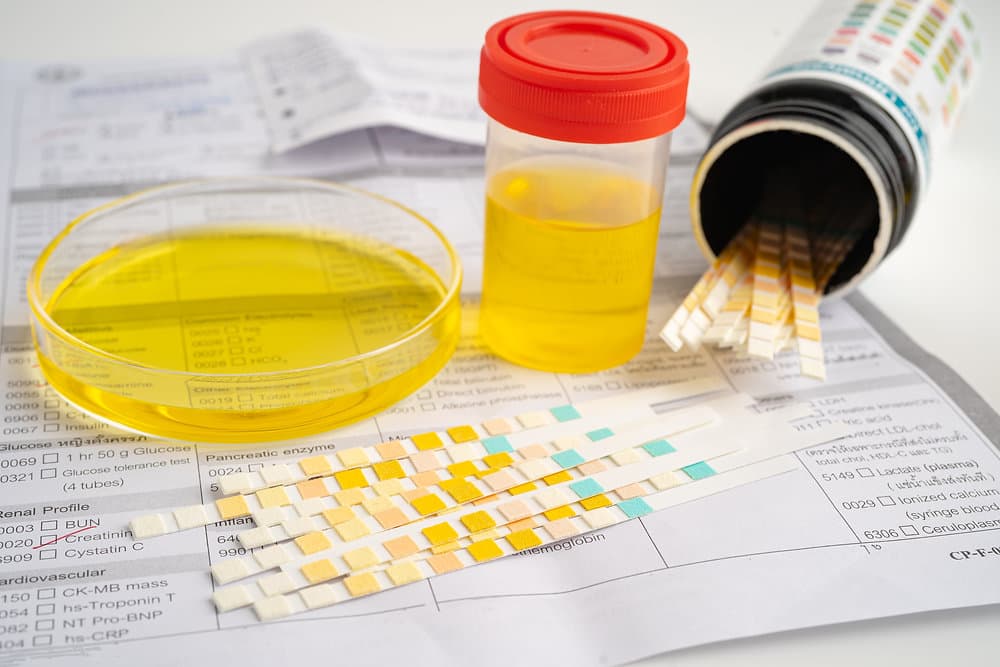
FMCSA Keeps Random Drug & Alcohol Testing Rates the Same for 2026
On January 8, 2026, the U.S. Department of Transportation announced what many of us in the industry expected: the minimum random drug testing rate for CDL drivers remains at 50%, with alcohol testing holding steady at 10%.If you're keeping score at home, that's six consecutive years at these rates since FMCSA bumped them up from 25% in January 2020. And based on the numbers coming out of the Drug & Alcohol Clearinghouse, don't expect that to change anytime soon.Why the Rate Stays Where It IsHere
 Rob Carpenter
CDL Drug Testing Faces Uncertainty After Trump Executive Order
It's official. December 18, 2025, President Donald Trump signed an Executive Order directing the Attorney General to "take all necessary steps to complete the rulemaking process related to rescheduling marijuana to Schedule III of the Controlled Substances Act in the most expeditious manner."For the cannabis industry, it's a landmark moment. For the trucking industry, it's the beginning of a very uncertain chapter, one that hinges entirely on how the Department of Health and Human Services, the
Rob Carpenter
What Trump’s Marijuana Rescheduling Executive Order Could Mean for Trucking
On December 18, 2025, President Trump signed an executive order directing federal agencies to expand medical marijuana and cannabidiol research and to move marijuana toward rescheduling under the Controlled Substances Act. While the order is framed around science, medicine, and research access, it has once again raised a critical question for the trucking industry: what happens to federal drug testing and highway safety if marijuana is no longer treated as a Schedule I drug?This is not a new con
Brandon Wiseman
DOT Proposes Adding Fentanyl to Drug Testing Panel
In a significant move to address the escalating opioid crisis, the U.S. Department of Transportation (DOT) has issued a Notice of Proposed Rulemaking (NPRM) to amend its drug-testing regulations under 49 CFR Part 40. Published in the Federal Register on September 2, 2025, the proposal aims to add fentanyl—a potent synthetic opioid—and its metabolite norfentanyl to the DOT's drug testing panels for both urine and oral fluid specimens. This change comes amid rising overdose deaths linked to fentan
Brandon Wiseman
SCOTUS opens the door for truckers to sue over mislabeled CBD products
On April 2, 2025, the U.S. Supreme Court issued a 5-4 decision in Medical Marijuana, Inc. v. Horn, an important case with implications for regulated trucking. The Court ruled that a commercial truck driver could seek treble damages under the Racketeer Influenced and Corrupt Organizations Act (RICO) for financial losses (i.e., being out of a job) resulting from a mislabeled CBD product that led to a positive drug test and his termination.NEW Supreme Court ruling on CBD & truckers | What drivers n
Brandon Wiseman
DQ, Personnel, and Drug & Alcohol Testing Files: Understanding the distinction
Managing compliance for regulated drivers in the trucking industry involves a myriad of record-keeping requirements. Among the most important are the Driver Qualification (DQ) File, the Personnel File, and the Drug & Alcohol Testing File. While these files serve different purposes, confusion about their distinctions and proper maintenance can lead to compliance issues and penalties. This article will explore each file type, explain why it is essential to keep them separate, and provide best prac
Brandon Wiseman
Year in Review: 2024 Regulatory Highlights and 2025 Outlook for Fleets
As 2024 winds down, the trucking industry finds itself reflecting on a transformative year while preparing for potential regulatory shifts in 2025. Episode 44 of Trucksafe LIVE! tackled key regulatory milestones, upcoming challenges, and industry-shaping court cases. Here's a comprehensive look back at 2024’s top trucking regulations and a forward-looking perspective on what fleets might expect in 2025. Catch the replay of the episode below! Trucksafe LIVE! | Ep. 44 - Year-in-review & 2025 outlo
Brandon WisemanNever Miss an Update
Get in-depth DOT compliance articles and breaking regulatory news delivered right to your inbox
Join thousands of safety professionals staying informed on DOT compliance