
Hours of Service
In-depth analysis of FMCSA hours of service regulations including the 11/14-hour rules, split sleeper berth provisions, short-haul exemptions, personal conveyance, adverse driving conditions, and ELD compliance under 49 CFR Part 395.
Trucksafe Academy: Get hands-on training with our self-paced compliance courses
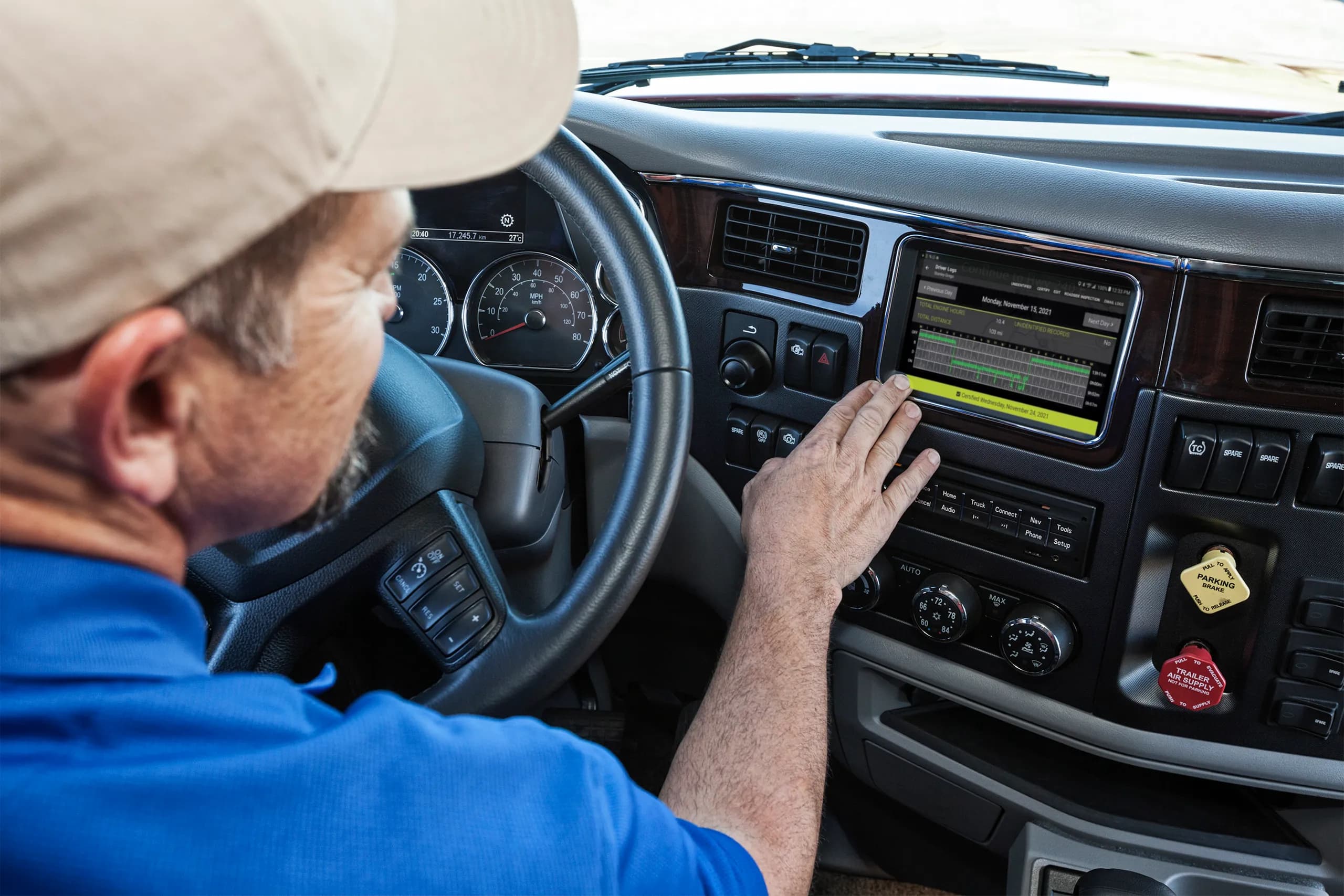
FMCSA Denies FOPT Exemption Request to Allow Paper Logs in Place of ELDs
FMCSA has officially denied the Federation of Professional Truckers' application to allow drivers to use paper logs instead of ELDs, citing a congressional mandate under MAP-21 and the applicant's failure to demonstrate safety equivalency.
 Brandon Wiseman
CVSA's 2026 International Roadcheck Targets ELD Tampering During May 12-14
CVSA's 2026 International Roadcheck (May 12-14) focuses on ELD tampering enforcement with enhanced penalties up to $16,000 per violation and automatic 10-hour out-of-service orders for tampering violations.
Brandon Wiseman
FMCSA to tighten ELD self-certification process
The Federal Motor Carrier Safety Administration has announced a significant shift in how it evaluates and approves Electronic Logging Devices (ELDs), marking the most substantial change to the approval process since the ELD mandate first took effect. While the agency continues to stop short of a full third-party certification program—similar to the one now used in Canada—its move toward a more structured, hands-on vetting approach signals a notable evolution in federal oversight of the ELD marke
Brandon Wiseman
FMCSA Proposes Pilot Programs for Hours of Service Flexibility
As announced previously by USDOT Secretary Sean Duffy as part of the agency's Pro-Trucker Initiatives, the Federal Motor Carrier Safety Administration is moving ahead with two new pilot programs. Sheduled for publication in the Federal Register on September 17, 2025, FMCSA is proposing two pilot programs aimed to address longstanding challenges faced by property-carrying truck drivers: unreasonable detention times at shippers and receivers, traffic congestion, and the rigid constraints of curren
Brandon Wiseman
USDOT Announces New Initiatives to Support America’s Truck Drivers in 2025
On June 27, 2025, U.S. Department of Transportation (USDOT) Secretary Sean Duffy unveiled a comprehensive set of initiatives, pilot programs, and regulatory updates aimed at supporting America’s truck drivers. Announced in response to the President’s Executive Order, these measures from the Federal Motor Carrier Safety Administration (FMCSA) focus on improving truck parking, providing regulatory relief, enhancing driver flexibility, and modernizing resources. "Truckers keep America running. Whi
Brandon Wiseman
Dispelling 5 common DOT compliance myths
Achieving DOT compliance can be tricky. Even seasoned safety professionals occasionally fall prey to some regulatory assumptions that aren’t quite true. Unfortunately, these misconceptions can lead to costly violations, increased exposure, and unnecessary headaches for trucking companies and their drivers.At Trucksafe, we help motor carriers navigate the complex web of federal and state safety regulations. In this article, we’ll debunk five of the most common DOT compliance myths to help you sta
Brandon Wiseman
Understanding FMCSA's Oilfield Exemptions
The Federal Motor Carrier Safety Regulations (FMCSRs) under 49 CFR 395.1(d) provide specific exemptions tailored for oilfield operations, commonly referred to as the "oilfield exemptions." These exemptions recognize the unique demands of the oil and gas industry and offer flexibility to drivers engaged in particular oilfield activities. This article delves into the two primary exemptions, detailing their applicability, offering practical usage tips, and highlighting potential pitfalls to avoid.U
Brandon Wiseman
Advanced Guide to the Split Sleeper Berth Rule: Maximizing Driving Flexibility and Efficiency
For commercial drivers, the split sleeper berth rule offers essential flexibility, especially when faced with unpredictable schedules, long detention times, and strict hours-of-service (HOS) limits. However, the rule’s complexity can make it challenging to implement correctly. In a previous article, we broke down the basic mechanics of the split sleeper rule. In this article, we’ll dive even deeper into the topic with some more complex examples and how drivers can best levarage the split sleepe
Brandon Wiseman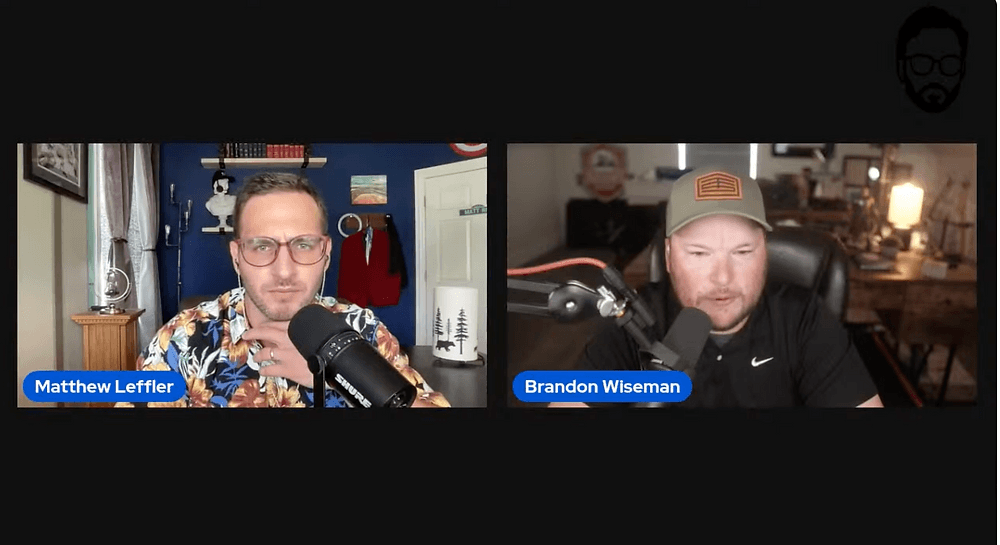
Trucksafe's Wiseman joins the Armchair Attorney to discuss ELDs, Chevron deference and more
But is your truck safe?Trucksafe's Brandon Wiseman recently joined Matt Leffler, the Armchair Attorney, on his podcast to discuss electronic logging devices, Chevron deference, and much more. Catch the replay above if you missed it. About Trucksafe Consulting, LLC: Trucksafe Consulting is a full-service DOT regulatory compliance consulting and training service. We help carriers develop, implement, and improve their safety programs, through personalized services, industry-leading training, and a
Brandon WisemanNever Miss an Update
Get in-depth DOT compliance articles and breaking regulatory news delivered right to your inbox
Join thousands of safety professionals staying informed on DOT compliance