

Spotlight on non-domiciled CDLs
On August 14, 2025, the Federal Motor Carrier Safety Administration (FMCSA) launched a comprehensive investigation into a devastating Florida highway crash that resulted in three fatalities, linking the incident to possible breaches in Commercial Driver's License (CDL) issuance protocols and English language proficiency (ELP) standards. This inquiry not only exposes the perils of allowing unqualified drivers to handle heavy commercial motor vehicles (CMVs) but also intensifies the ongoing politi
 Brandon Wiseman
FMCSA to pursue additional changes to the DataQs system
The Federal Motor Carrier Safety Administration (FMCSA) is set to publish a notice in the Federal Register on July 1, 2025, outlining proposed revisions to the DataQs system, which it originally proposed back in September of 2024 but is now refining based on public comments received. This proposal aims to improve the impartiality, timeliness, transparency, and overall fairness of the Request for Data Review (RDR) process, addressing long-standing concerns from motor carriers, drivers, and indust
Brandon Wiseman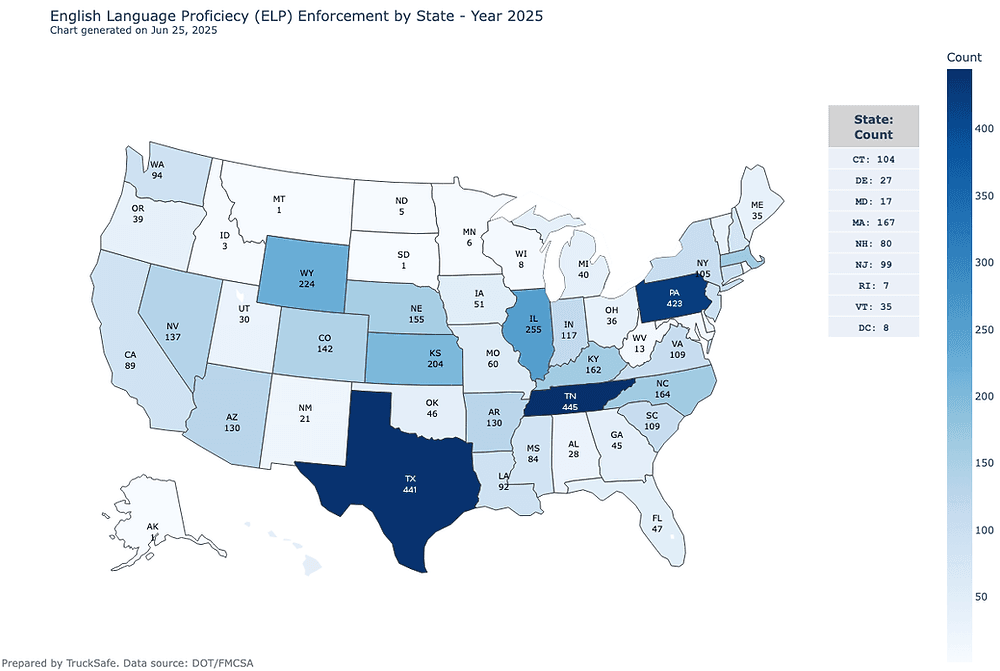
Trucksafe Launches Monthly English Language Proficiency (ELP) Enforcement Report
Indianapolis, IN – June 24, 2025 – Trucksafe Consulting, LLC, a leading provider of DOT safety consulting and online DOT training, is thrilled to announce the launch of its exclusive Monthly English Language Proficiency (ELP) Enforcement Report. This comprehensive report delivers critical insights into state- and federal-level ELP enforcement data, trends, and compliance strategies for motor carriers and other industry stakeholders. With enhanced ELP enforcement set to begin on June 25, 2025, no
FMCSA issues enforcement policy on English proficiency
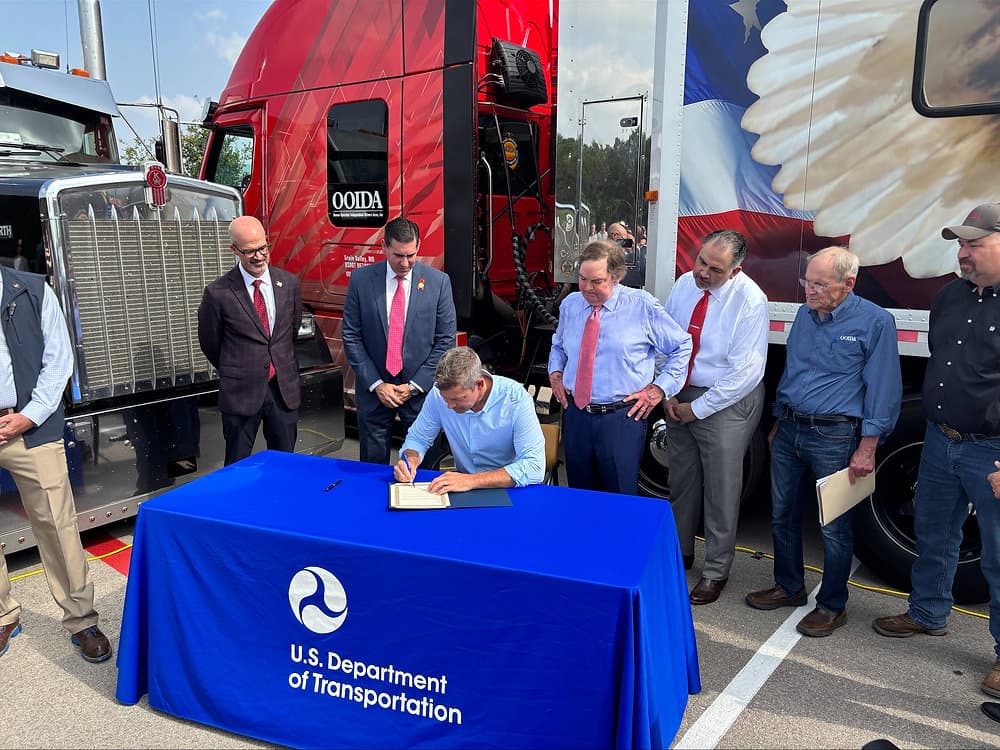
On May 20, 2025, the Federal Motor Carrier Safety Administration (FMCSA) issued its much anticipated Enforcement Policy on English language proficiency (ELP) requirements for commercial motor vehicle (CMV) drivers. Prompted by Executive Order 14286, signed by President Trump on April 28, 2025, and titled “Enforcing Commonsense Rules of the Road for America’s Truck Drivers,” this guidance, effective as of May 20, 2025, aims to guide law enforcement in their application of the ELP requirement in 4
Brandon Wiseman
How fleets can best prioritize compliance issues
Fleet safety teams face a complex challenge: ensuring compliance with Federal Motor Carrier Safety Administration (FMCSA) and related state regulations while juggling limited time and resources. Roadside inspection violations, Electronic Logging Device (ELD) data, audits, and accident claims all demand attention, often leaving safety teams uncertain about where to focus their attention. Of course, not all compliance issues are equally weighted. Some have the potential to cause significant headac
Brandon Wiseman
Preparing for Roadside Inspections: A Comprehensive Guide for Fleets and Commercial Drivers
Roadside inspections are a fundamental part of operating commercial motor vehicles (CMVs), ensuring that drivers and their equipment adhere to safety regulations that protect everyone on the road. For fleet managers and commercial drivers, being well-prepared for these inspections can streamline the process, reduce the risk of violations, and maintain a strong safety record. In this article, we break down who conducts these inspections, where they occur, the types involved, how they unfold, what
Brandon Wiseman
FMCSA to void over 15,000 driver med cards and remove non-compliant medical examiners from National Registry
On April 11, 2025, the U.S. Department of Transportation (USDOT), through the Federal Motor Carrier Safety Administration (FMCSA), has proposed the removal of two Houston-area medical examiners from the National Registry of Certified Medical Examiners (NRCME) for failure to properly perform physical qualification exams required for commercial motor vehicle (CMV) drivers. This move, which impacts over 15,000 drivers, underscores the agency’s commitment to ensuring only qualified professionals par
Brandon Wiseman
Is your fleet audit ready?
For trucking companies, regulatory compliance isn’t just about avoiding fines—it’s about ensuring the safety of drivers, protecting the public, and maintaining the ability to operate efficiently. One of the most significant regulatory hurdles a motor carrier can face is an FMCSA compliance review. Whether it’s a new entrant safety audit, a focused review, or a full-scale compliance investigation, being prepared is crucial to keeping your fleet on the road and in good standing with regulators.Und
Brandon Wiseman
Compliance Myth: "Not for hire" means not regulated
One of the more common misunderstandings in the trucking industry is the belief that displaying “Not for Hire” on a truck somehow exempts it from federal or state motor carrier safety regulations. This myth has led many private carriers—those that transport their own goods rather than hauling freight for others—to operate under the false assumption they are not subject to regulatory oversight. The truth, however, is that the applicability of the vast majority of FMCSA and related state regulatio
Brandon WisemanNever Miss an Update
Get in-depth DOT compliance articles and breaking regulatory news delivered right to your inbox
Join thousands of safety professionals staying informed on DOT compliance