
Hours of Service
In-depth analysis of FMCSA hours of service regulations including the 11/14-hour rules, split sleeper berth provisions, short-haul exemptions, personal conveyance, adverse driving conditions, and ELD compliance under 49 CFR Part 395.
Trucksafe Academy: Get hands-on training with our self-paced compliance courses

Understanding FMCSA's Oilfield Exemptions
The Federal Motor Carrier Safety Regulations (FMCSRs) under 49 CFR 395.1(d) provide specific exemptions tailored for oilfield operations, commonly referred to as the "oilfield exemptions." These exemptions recognize the unique demands of the oil and gas industry and offer flexibility to drivers engaged in particular oilfield activities. This article delves into the two primary exemptions, detailing their applicability, offering practical usage tips, and highlighting potential pitfalls to avoid.U
 Brandon Wiseman
Advanced Guide to the Split Sleeper Berth Rule: Maximizing Driving Flexibility and Efficiency
For commercial drivers, the split sleeper berth rule offers essential flexibility, especially when faced with unpredictable schedules, long detention times, and strict hours-of-service (HOS) limits. However, the rule’s complexity can make it challenging to implement correctly. In a previous article, we broke down the basic mechanics of the split sleeper rule. In this article, we’ll dive even deeper into the topic with some more complex examples and how drivers can best levarage the split sleepe
Brandon Wiseman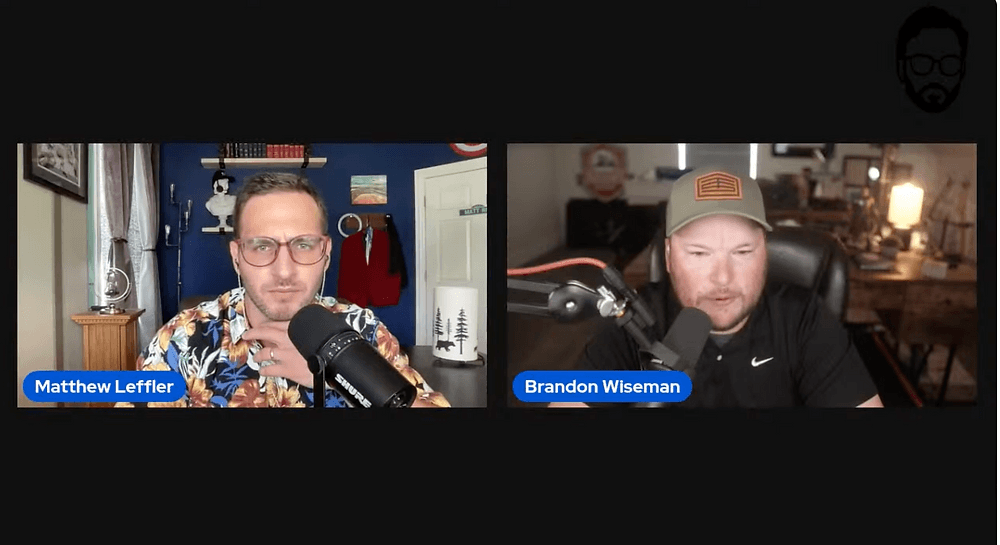
Trucksafe's Wiseman joins the Armchair Attorney to discuss ELDs, Chevron deference and more
But is your truck safe?Trucksafe's Brandon Wiseman recently joined Matt Leffler, the Armchair Attorney, on his podcast to discuss electronic logging devices, Chevron deference, and much more. Catch the replay above if you missed it. About Trucksafe Consulting, LLC: Trucksafe Consulting is a full-service DOT regulatory compliance consulting and training service. We help carriers develop, implement, and improve their safety programs, through personalized services, industry-leading training, and a
Brandon Wiseman
When are drivers eligible for a 16-hour driving window?
If you're a property-carrying motor carrier or driver, you're undoubtedly familiar with the so-called 14-hour rule, which requires commercial drivers to complete all their driving activities within the first 14 hours of first coming on duty following a 10 consecutive hour off-duty break. See 49 CFR 395.3(a)(2). It's one of the fundamental hours limitations contained within the broader hours-of-service rules in Part 395 of the Federal Motor Carrier Safety Regulations (FMCSRs), along with others l
Brandon Wiseman
5 lessons from a terrible crash
On March 22, 2024, a concrete pumper truck veered into oncoming traffic on State Highway 21 in Texas, striking a school bus full of children and ultimately killing a 5 year-old and an adult. At the time of the crash, the bus was transporting 44 children and 11 adults home from a field trip to the Texas Zoo. According to reports, the driver of the concrete truck, 42 year-old Jerry Hernandez, admitted to law enforcement he had smoked marijuana the night before the accident, had used cocaine the mo
Brandon Wiseman
Controlling driver log falsifications
In a recent episode of our Trucksafe LIVE! podcast, we tackled the issue of commercial driver log falsification. What exactly are false logs? Log falsification is a misrepresentation of a commercial driver's duty status or driving time on their daily record of duty status. False logs can be deliberate or unintentional. Attempts to conceal substantive hours-of-service violations by mis-logging time are frequent contributors to log falsifications. Misuse of personal conveyance status, mischaracter
Brandon Wiseman
FMCSA soliciting waiver requests to reinstate meal & rest break laws
In what seems like an unprecedented move, the Federal Motor Carrier Safety Administration (FMCSA) is soliciting regulatory waiver requests from the public, which, if granted, could reinstate California's and Washington's meal and rest break rules as applied to regulated commercial drivers. In a notice published to the Federal Register on August 14, 2023, the FMCSA explained, "the Agency will consider petitions for waiver of its December 21, 2018, and January 13, 2020, decisions preempting the St
Brandon Wiseman
When trucking regulations run amok
Regulations have been my profession, my life, for many years. Trucking regulations, to be precise. I’ve devoted my career to helping fleets better understand and comply with the hundreds of safety-related regulations that govern their operations. And I step in to defend those fleets when they inevitably run afoul of the rules. Trucking is a heavily regulated industry, understandably so. It’s dangerous. Thousands of people die in the U.S. each year in accidents involving large trucks and buses, n
Brandon Wiseman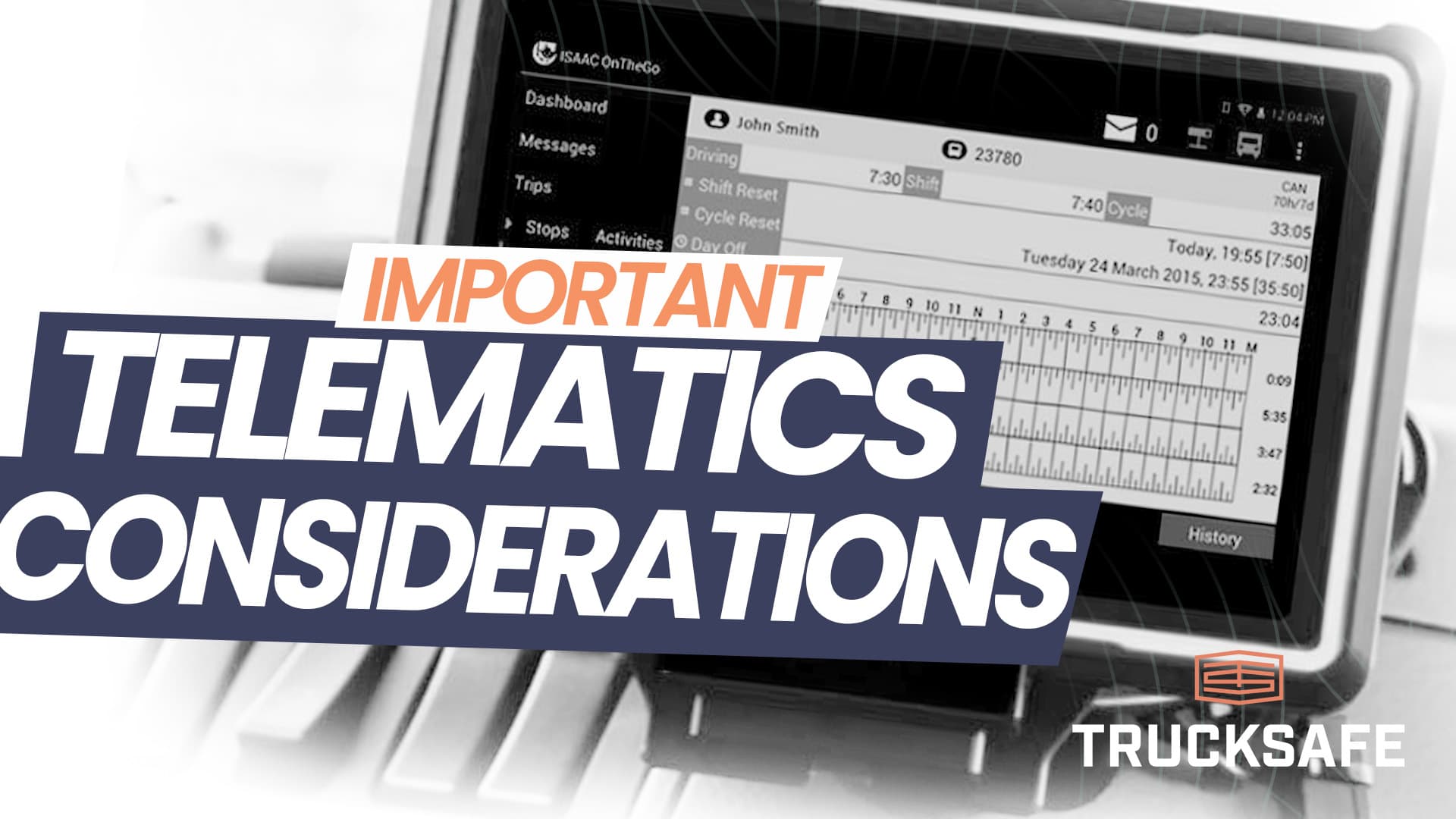
Telematics for Trucking: A Guide to Choosing the Right Solution
The term "telematics," at least in trucking, is generally understood to mean use of electronic devices to collect and transmit data about commercial vehicles and drivers. This data can be used to improve safety, efficiency, and compliance. In a recent episode of the Trucksafe LIVE! podcast, we broke down that term, identified some of the most common types of telematics solutions, and discussed some of the benefits and pitfalls that fleets should consider when deciding whether to implement a part
Brandon WisemanNever Miss an Update
Get in-depth DOT compliance articles and breaking regulatory news delivered right to your inbox
Join thousands of safety professionals staying informed on DOT compliance