
Brandon Wiseman
President at Trucksafe
Brandon Wiseman is the owner and President of Trucksafe Consulting and a partner with Childress Law. As a transportation attorney, Brandon has assisted some the nation’s leading motor carriers in developing and maintaining compliant and cutting-edge safety programs, and he has also represented carriers of all types and sizes before the FMCSA on matters such as safety rating upgrades and civil penalty proceedings. Through his consulting company, Brandon now offers carriers state of the art compliance resources and regulatory training materials, covering a wide range of safety-related topics. Brandon is a regular speaker at industry events and contributor to industry publications.
208 Articles
DataQs Updates & Best Practices: What Every Carrier Needs to Know After FMCSA's Nationwide Rollout
FMCSA has finalized a sweeping DataQs overhaul now live in all 50 states — including a mandatory three-stage review process, strict timelines, and new independence requirements. Here's what changed and what it means for your fleet's appeal strategy.
 Brandon Wiseman
FMCSA Clearinghouse September 2026 Report: Key Data Trends Fleet Owners Need to Know
The FMCSA has released its September 2026 Drug and Alcohol Clearinghouse Monthly Report. Here's a breakdown of the key data — including prohibited driver counts, violation trends, and what it means for your fleet's compliance program.
Brandon Wiseman
NRII Waiver Has Ended: What Carriers Need to Know as the Paper Med Card Era Closes for CDL Drivers
FMCSA's NRII waiver allowing paper medical certificates has officially expired — but Alaska remains unable to support the electronic process. Here's what carriers need to know.
Brandon Wiseman
FMCSA Denies FOPT Exemption Request to Allow Paper Logs in Place of ELDs
FMCSA has officially denied the Federation of Professional Truckers' application to allow drivers to use paper logs instead of ELDs, citing a congressional mandate under MAP-21 and the applicant's failure to demonstrate safety equivalency.
Brandon Wiseman
FMCSA Suspends USDOT Inactivations for Missed Biennial Updates During MOTUS Rollout
FMCSA has temporarily suspended USDOT number inactivations for missed biennial updates as carriers transition to the new MOTUS registration system. Here's what carriers need to know and do right now.
Brandon Wiseman
Federal Government Launches Historic Interagency Crackdown on CDL Fraud in Trucking
The U.S. Departments of Transportation, Homeland Security, and Justice have launched a historic interagency crackdown on CDL fraud, including emergency removal of 110+ training providers, a 40-state investigation, and formation of the Joint Task Force Crossroads of America. Here's what it means for compliant carriers.
Brandon Wiseman
States Sue FMCSA Over CDLIS Data Demand
Twenty-two states and D.C. have sued FMCSA over a demand for 17 million CDLIS driver records, threatening to shut down CDL issuance nationwide. Here's what the lawsuit means for your fleet and what to watch next.
Brandon Wiseman
FMCSA Proposes to Codify English Language Proficiency as an Out-of-Service Violation
FMCSA has proposed a rule that would formally codify English Language Proficiency (ELP) as an out-of-service violation under 49 CFR 391.11(b)(2). Here's what the NPRM means for your fleet and what you need to be doing right now.
Brandon Wiseman
Freedom Haulers: What Fleet Owners & Safety Directors Need to Know About the New Veteran CDL Initiative
The Trump Administration's Freedom Haulers campaign expands veteran CDL fast-track programs, adds seven states to the Even Exchange Program, and doubles the Military Skills Test Waiver window to two years. Here's what fleet owners and compliance teams need to know.
Brandon Wiseman
FMCSA's 2026 Regulatory Agenda: Everything Trucking Companies Need to Know
FMCSA has released its 2026 regulatory agenda, covering dozens of rulemakings that will affect driver qualification, ELDs, drug testing, automated vehicles, safety fitness ratings, and more. Here's what every fleet needs to know.
Brandon Wiseman
Trucksafe LIVE! | Ep. 63 - A Discussion with Administrator Barrs
In this episode, we’re joined by FMCSA Administrator Derek Barrs to discuss the agency’s regulatory and enforcement priorities, the status of the MOTUS rollout, and more!
Brandon Wiseman
FMCSA Finalizes More Deregulatory Rules
FMCSA has finalized three new deregulatory rules effective July 22, 2026, removing the CDL self-reporting requirement, the in-cab ELD manual requirement, and revising the roadside inspection report return process. Here is what fleets need to know and do.
Brandon Wiseman
eRegs v2 Is Here: A Complete Rebuild of the FMCSR Compliance Platform
eRegs v2, Trucksafe's affiliate FMCSR compliance platform, has launched a complete rebuild featuring a redesigned three-panel reader, full-text search, version history with change tracking, hazmat regulations, and a new Progressive Web App replacing the old native apps.
Brandon Wiseman
Trucksafe Launches New Online Course: Carrier Safety & Compliance for Brokers and Shippers
Trucksafe Academy has launched a new self-paced online course — Carrier Safety & Compliance for Brokers and Shippers — giving freight brokers, shippers, and 3PLs the FMCSA data fluency they need to vet and document carrier selections defensibly in the post-Montgomery legal landscape.
Brandon Wiseman
What SCOTUS’s Montgomery Decision Means for Carriers
The Supreme Court's unanimous ruling in Montgomery v. Caribe Transport II, LLC means freight brokers can now be sued for negligent hiring under state law — and your CSA BASIC scores and safety rating are the evidence. Here is what every motor carrier needs to know and do now.
Brandon Wiseman
DOT: Medical Marijuana Cards Can't Override a Positive Test
ODAPC's May 2026 Part 40 Q&A makes clear that no state medical marijuana card, physician recommendation, or dispensary record can serve as a "legitimate medical explanation" to flip a lab-confirmed positive marijuana test to a negative — even after rescheduling.
Brandon Wiseman
Medicinal Marijuana Is Now Schedule III. For CDL Drivers, the Answer Is More Complicated Than It Should Be.
The DOJ and DEA reclassified state-licensed medical marijuana to Schedule III on April 22, 2026. For CDL drivers, the answer is simple: nothing has changed. Here is what carriers and drivers need to know right now.
Brandon Wiseman
FMCSA to withhold $73M in federal funds from New York
FMCSA withheld $73.5 million from New York after auditors found a 53% failure rate in non-domiciled CDL issuances. Here is what that audit means for your driver qualification files and what you need to do under 49 CFR Part 391.
Brandon Wiseman
FMCSA Finalizes DataQs System Overhaul with State-Level Appeals Process
FMCSA finalizes comprehensive DataQs system overhaul requiring states to implement three-stage independent review process tied to federal highway funding, addressing industry concerns about biased appeals.
Brandon Wiseman
Iowa English Proficiency Law Progresses Through State Legislature: What SF 2426 Means for Carriers
Iowa Senate File 2426 would establish one of the nation's first comprehensive state-level English proficiency requirements for CDL applicants, with carrier penalties up to $10,000 per violation. Here's what Iowa carriers need to know now.
Brandon Wiseman
FMCSA Extends NRII Waiver Through October 11, Continuing Paper Medical Certificate Relief
FMCSA has extended its NRII waiver through October 11, 2026, allowing continued reliance on paper medical certificates despite the agency’s push toward a fully electronic system. The extension confirms what the industry is already experiencing: delays in state posting of medical certifications are still creating gaps between qualification and documentation. Until those gaps close, carriers must manage both paper and electronic records to stay compliant.
Brandon Wiseman
Indiana Revokes Nearly 1,800 Non-Domiciled CDLs Under New State Law
Indiana revoked 1,790 non-domiciled CDLs under new state law, establishing precedent for nationwide enforcement with $50,000 employer penalties and felony charges.
Brandon Wiseman
FMCSA's MOTUS System: 2026 Rollout To Transform Registration Process
FMCSA's MOTUS registration system launches in 2026, consolidating all DOT registration processes into a single platform. This comprehensive guide covers critical preparation steps carriers must take now to avoid transition pitfalls.
Brandon Wiseman
CVSA's 2026 International Roadcheck Targets ELD Tampering During May 12-14
CVSA's 2026 International Roadcheck (May 12-14) focuses on ELD tampering enforcement with enhanced penalties up to $16,000 per violation and automatic 10-hour out-of-service orders for tampering violations.
Brandon Wiseman
Dalilah's Law Moves Through Committee With Key Revisions on Foreign Dispatch and CDL Eligibility
Delilah's Law has advanced through committee with key revisions — including sharper language on foreign dispatch services. Here's what the amended bill means for fleet compliance programs right now.
Brandon Wiseman
California to Cancel 13,000 Non-Domiciled CDLs
Following a federal audit and regulatory enforcement action by the Federal Motor Carrier Safety Administration (FMCSA) and the U.S. Department of Transportation, the California Department of Motor Vehicles (DMV) has begun canceling thousands of previously issued non-domiciled CDLs after federal officials concluded that many of the licenses were issued in violation of federal eligibility requirements.The situation illustrates a broader regulatory shift occurring at the federal level regarding non
Brandon WisemanDalilah's Law: What Fleets Need to Know About the Proposed CDL Restrictions
Senator Jim Banks has introduced the Dalilah Law, a bill that would prohibit states from issuing CDLs to individuals who are not U.S. citizens, lawful permanent residents, or holders of certain work visas — and tie compliance to federal DOT funding. Here's what fleet owners and safety directors need to know.
Brandon Wiseman
FMCSA Issues New Guidance Clarifying Non-Domiciled CDL Final Rule Requirements
On February 18, 2026, FMCSA issued new Frequently Asked Questions (FAQs) clarifying its recently finalized rule tightening the issuance of non-domiciled commercial driver’s licenses (CDLs). The guidance provides critical details for states, carriers, and drivers navigating the March 16, 2026 effective date of the final rule, and confirms that the agency is taking an aggressive posture toward enforcing lawful presence requirements and correcting past licensing deficiencies. While much of the atte
Brandon Wiseman
FMCSA Issues Final Rule on Non-Domiciled CDLs
The Federal Motor Carrier Safety Administration (FMCSA) has issued a new final rule on non-domiciled Commercial Learner’s Permits (CLPs) and Commercial Driver’s Licenses (CDLs). Scheduled for publication in the Federal Register on February 13, 2026 (Docket No. FMCSA-2025-0622, RIN 2126-AC98), this rule largely reaffirms the provisions of the September 29, 2025, Interim Final Rule (IFR) with minor clarifications, despite intense legal scrutiny, a court-imposed stay, and thousands of public commen
Brandon Wiseman
Compliance Theater: When Documentation Replaces Judgment
Many fleets are proud of their documentation. They document driver qualification. They document training. They document inspections, audits, incidents, and corrective actions. They keep complete driver files, run required reports, and maintain records they can be produced quickly when requested. Internally, that documentation often becomes a source of confidence. The thinking goes, if something goes wrong, the paperwork will show we did what we were supposed to do.That belief is understandable.
Brandon Wiseman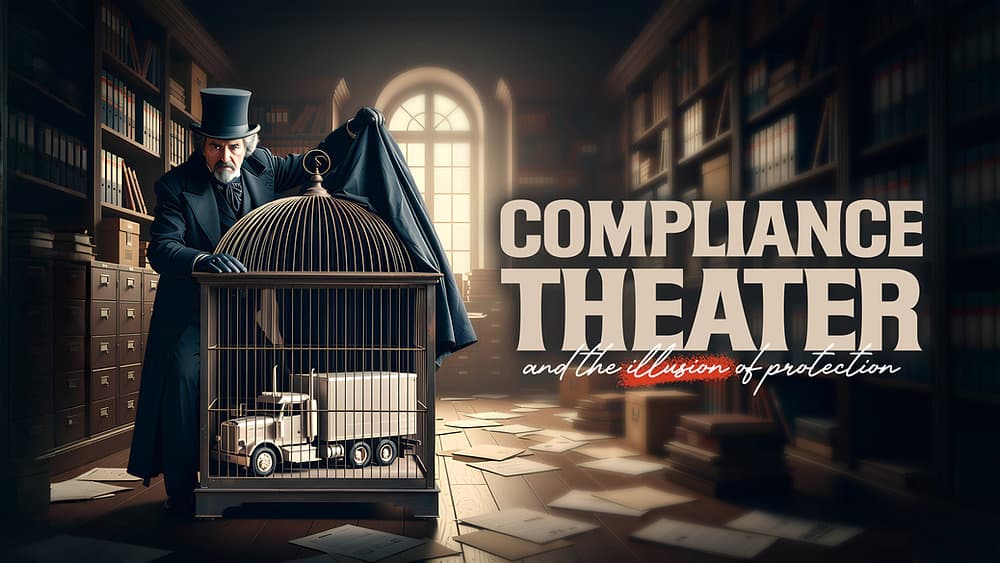
Compliance Theater and the Illusion of Protection
In trucking litigation, safety programs often become evidence. This article explores “compliance theater,” where check-the-box compliance creates records but fails to control risk.
Brandon Wiseman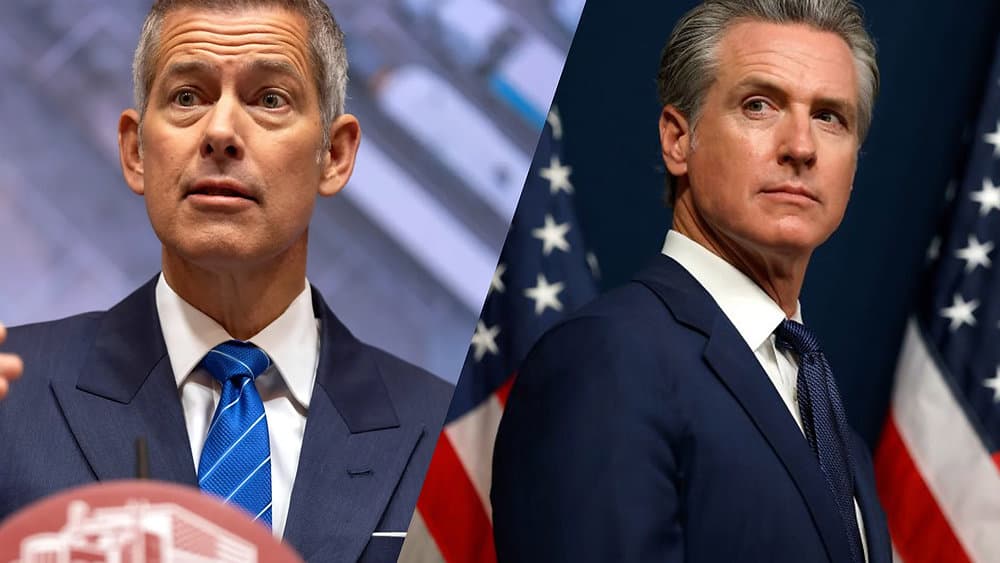
FMCSA escalates feud with California; withholds $160M in federal funding
On January 7, 2026, FMCSA issued a Final Determination of Substantial Noncompliance against the California Department of Motor Vehicles, formally concluding that the state has failed to comply with federal standards governing the issuance of non-domiciled commercial learner’s permits and commercial driver’s licenses. As a result, FMCSA will withhold millions of dollars in federal highway funding beginning in fiscal year 2027.This determination is notable not only for its financial impact, but fo
Brandon Wiseman
What Trump’s Marijuana Rescheduling Executive Order Could Mean for Trucking
On December 18, 2025, President Trump signed an executive order directing federal agencies to expand medical marijuana and cannabidiol research and to move marijuana toward rescheduling under the Controlled Substances Act. While the order is framed around science, medicine, and research access, it has once again raised a critical question for the trucking industry: what happens to federal drug testing and highway safety if marijuana is no longer treated as a Schedule I drug?This is not a new con
Brandon Wiseman
Top 10 Regulatory Developments Fleets Should Understand Heading Into 2026
If 2024 hinted at regulatory turbulence, 2025 made it impossible to ignore. Over the past year, FMCSA and USDOT unleashed the most aggressive series of compliance initiatives in more than a decade—targeting language proficiency, non-domiciled CDL issuance, electronic logging devices, medical certification, training quality, and core data systems. These moves were not isolated events; collectively, they signaled a larger shift toward enforcement-first policymaking and heightened scrutiny on found
Brandon Wiseman
FMCSA to tighten ELD self-certification process
The Federal Motor Carrier Safety Administration has announced a significant shift in how it evaluates and approves Electronic Logging Devices (ELDs), marking the most substantial change to the approval process since the ELD mandate first took effect. While the agency continues to stop short of a full third-party certification program—similar to the one now used in Canada—its move toward a more structured, hands-on vetting approach signals a notable evolution in federal oversight of the ELD marke
Brandon Wiseman
FMCSA Flags Pennsylvania for Non-Domiciled CDL Irregularities
FMCSA has once again turned its attention to state-level CDL practices, this time issuing a pointed preliminary determination of substantial noncompliance to the Commonwealth of Pennsylvania over how it has been issuing non-domiciled commercial learner’s permits (CLPs) and CDLs. The nine-page letter, dated November 19, 2025, reads as both a technical audit and a warning shot, signaling that the Agency’s scrutiny of lawful-presence verification and non-domiciled credentialing practices is expandi
Brandon Wiseman
Federal Court temporarily halts FMCSA’s non-domiciled CDL rule
In a major development with nationwide implications for motor carriers, foreign drivers, and state licensing agencies, the U.S. Court of Appeals for the D.C. Circuit has temporarily stayed the Federal Motor Carrier Safety Administration’s (FMCSA) controversial interim final rule (IFR) restricting the issuance of non-domiciled commercial driver’s licenses (CDLs). The court’s November 10, 2025 order halts the rule pending further judicial review, creating further uncertainty for the industry. Judg
Brandon Wiseman
FMCSA Tightens Rules for Non-Domiciled CDLs in Wake of Fatal Crashes
The Federal Motor Carrier Safety Administration (FMCSA) has issued an Interim Final Rule (IFR) to tighten the the rules governing the issuance of commercial learner’s permits (CLPs) and commercial driver’s licenses (CDLs) to individuals domiciled outside the United States. The rule, which takes effect immediately upon publication in the Federal Register, represents one of the most significant shifts in driver-credentialing policy in recent memory. FMCSA says the move is necessary to “restore int
Brandon Wiseman
FMCSA Proposes Pilot Programs for Hours of Service Flexibility
As announced previously by USDOT Secretary Sean Duffy as part of the agency's Pro-Trucker Initiatives, the Federal Motor Carrier Safety Administration is moving ahead with two new pilot programs. Sheduled for publication in the Federal Register on September 17, 2025, FMCSA is proposing two pilot programs aimed to address longstanding challenges faced by property-carrying truck drivers: unreasonable detention times at shippers and receivers, traffic congestion, and the rigid constraints of curren
Brandon Wiseman
DOT Proposes Adding Fentanyl to Drug Testing Panel
In a significant move to address the escalating opioid crisis, the U.S. Department of Transportation (DOT) has issued a Notice of Proposed Rulemaking (NPRM) to amend its drug-testing regulations under 49 CFR Part 40. Published in the Federal Register on September 2, 2025, the proposal aims to add fentanyl—a potent synthetic opioid—and its metabolite norfentanyl to the DOT's drug testing panels for both urine and oral fluid specimens. This change comes amid rising overdose deaths linked to fentan
Brandon Wiseman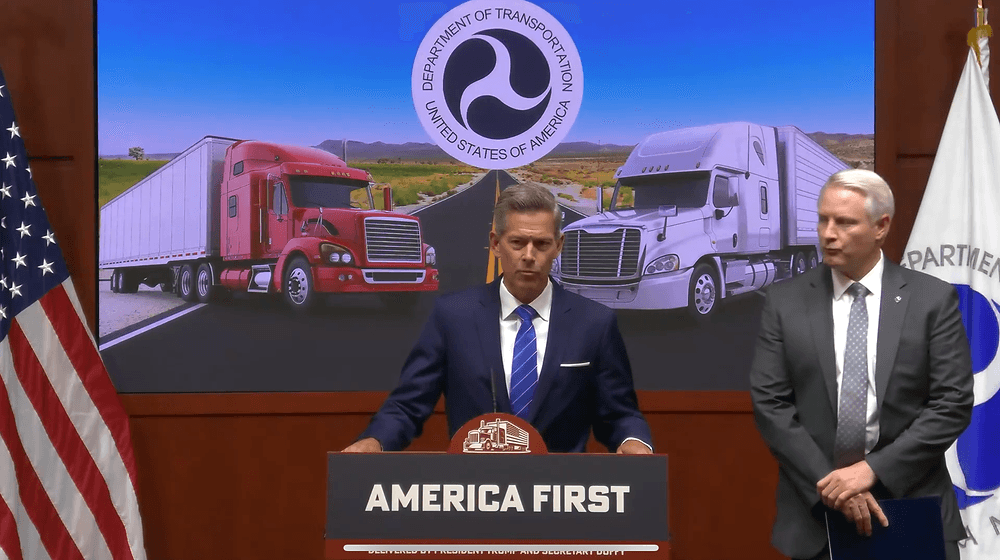
USDOT threatens to withhold federal funding from California, Washington & New Mexico for ELP enforcement non-compliance
In a bold move underscoring the Trump administration's commitment to enhancing trucking safety and enforcing federal regulations, U.S. Transportation Secretary Sean P. Duffy has issued a stern warning to three states: California, Washington, and New Mexico. On August 26, 2025, the U.S. Department of Transportation (USDOT) announced that these states risk losing millions in federal funding unless they immediately align with English Language Proficiency (ELP) requirements for commercial motor vehi
Brandon Wiseman
FMCSA Modifies Temporary Waiver for Paper Medical Certificates Amid NRII Transition
According to a notice published August 21, 2025, the Federal Motor Carrier Safety Administration (FMCSA) has modified its temporary waiver, allowing interstate commercial driver’s license (CDL) and commercial learner’s permit (CLP) holders, as well as motor carriers, to use paper Medical Examiner’s Certificates (MECs) as proof of medical certification for up to 60 days after issuance. This waiver, effective until October 12, 2025, addresses ongoing challenges in the transition to the National Re
Brandon Wiseman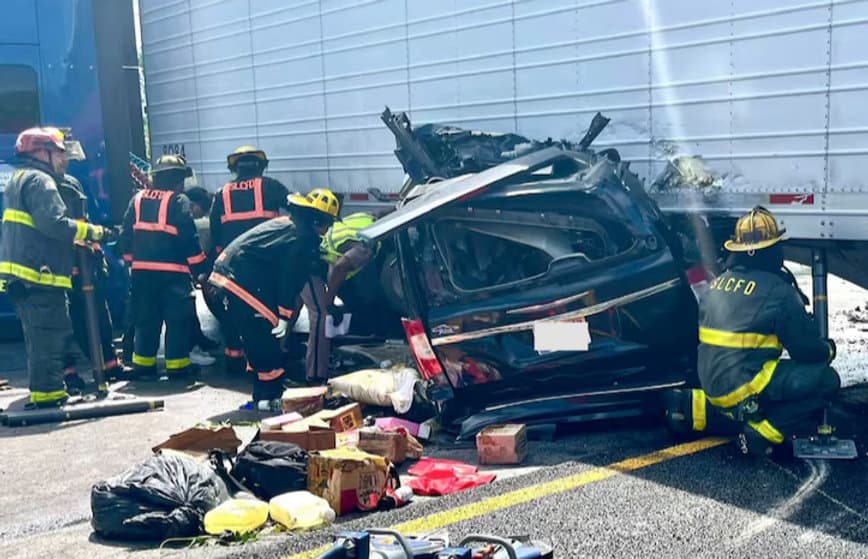
Spotlight on non-domiciled CDLs
On August 14, 2025, the Federal Motor Carrier Safety Administration (FMCSA) launched a comprehensive investigation into a devastating Florida highway crash that resulted in three fatalities, linking the incident to possible breaches in Commercial Driver's License (CDL) issuance protocols and English language proficiency (ELP) standards. This inquiry not only exposes the perils of allowing unqualified drivers to handle heavy commercial motor vehicles (CMVs) but also intensifies the ongoing politi
Brandon Wiseman
FMCSA and NHTSA Move to Officially Withdraw Speed Limiter Mandate for Heavy Trucks
As announced by Secretary of Transportation Sean Duffy earlier this month, the Federal Motor Carrier Safety Administration (FMCSA) and the National Highway Traffic Safety Administration (NHTSA) have announced the withdrawal of their long-standing proposal to mandate speed limiters on heavy commercial motor vehicles (CMVs). This decision, detailed in Federal Register notice 2025-13928 to be published on July 24, 2025, ends years of debate over requiring electronic speed governors on trucks with a
Brandon Wiseman
FMCSA Issues Temporary Waiver for NRII Transition, Easing CDL Medical Certification Delays for Motor Carriers and Drivers
Coming on the heels of a rocky transition to the new fully-electronic process for CDL medical certifications, the Federal Motor Carrier Safety Administration (FMCSA) has announced a temporary waiver for CDL drivers and the motor carriers that employ them. This FMCSA waiver addresses potential delays in the electronic transmission of DOT medical exam results stemming from medical examiners or state drivers licensing agencies (SDLAs) who weren't prepared for this long awaited change, ensuring that
Brandon Wiseman
FMCSA to pursue additional changes to the DataQs system
The Federal Motor Carrier Safety Administration (FMCSA) is set to publish a notice in the Federal Register on July 1, 2025, outlining proposed revisions to the DataQs system, which it originally proposed back in September of 2024 but is now refining based on public comments received. This proposal aims to improve the impartiality, timeliness, transparency, and overall fairness of the Request for Data Review (RDR) process, addressing long-standing concerns from motor carriers, drivers, and indust
Brandon Wiseman
USDOT Announces New Initiatives to Support America’s Truck Drivers in 2025
On June 27, 2025, U.S. Department of Transportation (USDOT) Secretary Sean Duffy unveiled a comprehensive set of initiatives, pilot programs, and regulatory updates aimed at supporting America’s truck drivers. Announced in response to the President’s Executive Order, these measures from the Federal Motor Carrier Safety Administration (FMCSA) focus on improving truck parking, providing regulatory relief, enhancing driver flexibility, and modernizing resources. "Truckers keep America running. Whi
Brandon Wiseman
FMCSA issues rash of proposed rules
On May 27, 2025, the Federal Motor Carrier Safety Administration (FMCSA) filed two finalized rules and eighteen proposed rules for public inspection in the Federal Register, set for publication on May 30, 2025. According to the agency, these updates strengthen commercial motor vehicle (CMV) safety, streamline driver qualifications, and reduce regulatory burdens while ensuring compliance with federal standards. What follows is a brief summary of each regulatory action, including effective dates f
Brandon Wiseman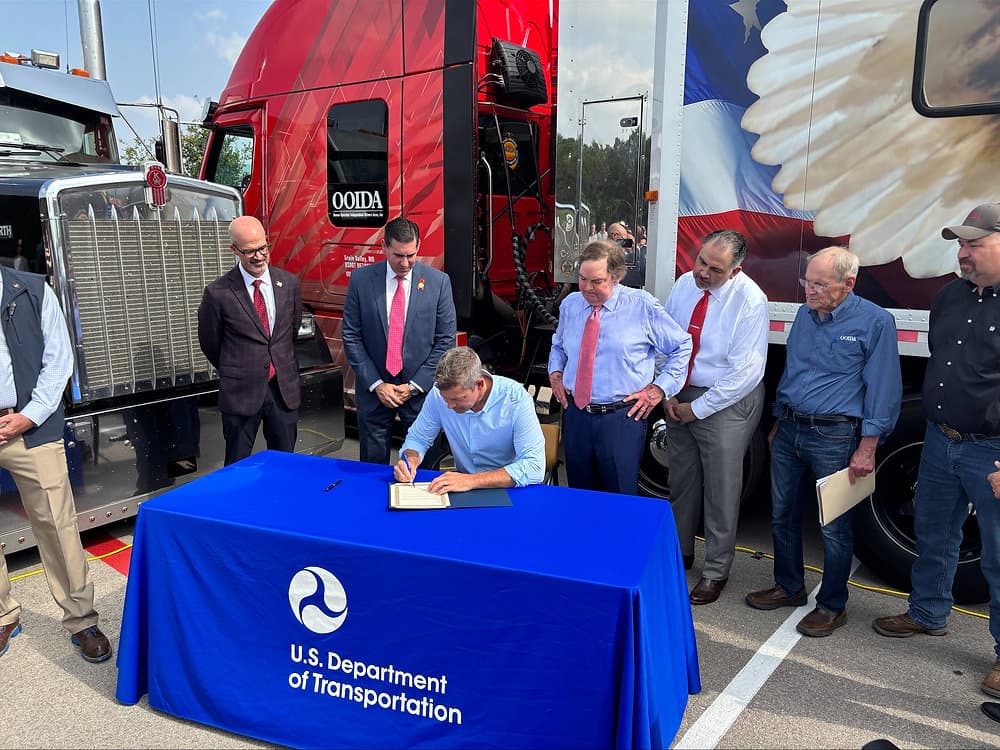
FMCSA issues enforcement policy on English proficiency
On May 20, 2025, the Federal Motor Carrier Safety Administration (FMCSA) issued its much anticipated Enforcement Policy on English language proficiency (ELP) requirements for commercial motor vehicle (CMV) drivers. Prompted by Executive Order 14286, signed by President Trump on April 28, 2025, and titled “Enforcing Commonsense Rules of the Road for America’s Truck Drivers,” this guidance, effective as of May 20, 2025, aims to guide law enforcement in their application of the ELP requirement in 4
Brandon Wiseman
How reported fleet size impacts compliance
The MCS-150 form, a mandatory filing with the Federal Motor Carrier Safety Administration (FMCSA), serves as a cornerstone of regulatory compliance for motor carriers operating in interstate commerce. This biennial report, or sooner if significant changes occur, requires carriers to provide critical operational details, including the number of power units—trucks, tractors, or buses—they own or operate, commonly referred to as the vehicle count or fleet size. This seemingly straightforward figure
Brandon Wiseman
How fleets can best prioritize compliance issues
Fleet safety teams face a complex challenge: ensuring compliance with Federal Motor Carrier Safety Administration (FMCSA) and related state regulations while juggling limited time and resources. Roadside inspection violations, Electronic Logging Device (ELD) data, audits, and accident claims all demand attention, often leaving safety teams uncertain about where to focus their attention. Of course, not all compliance issues are equally weighted. Some have the potential to cause significant headac
Brandon Wiseman
Preparing for Roadside Inspections: A Comprehensive Guide for Fleets and Commercial Drivers
Roadside inspections are a fundamental part of operating commercial motor vehicles (CMVs), ensuring that drivers and their equipment adhere to safety regulations that protect everyone on the road. For fleet managers and commercial drivers, being well-prepared for these inspections can streamline the process, reduce the risk of violations, and maintain a strong safety record. In this article, we break down who conducts these inspections, where they occur, the types involved, how they unfold, what
Brandon Wiseman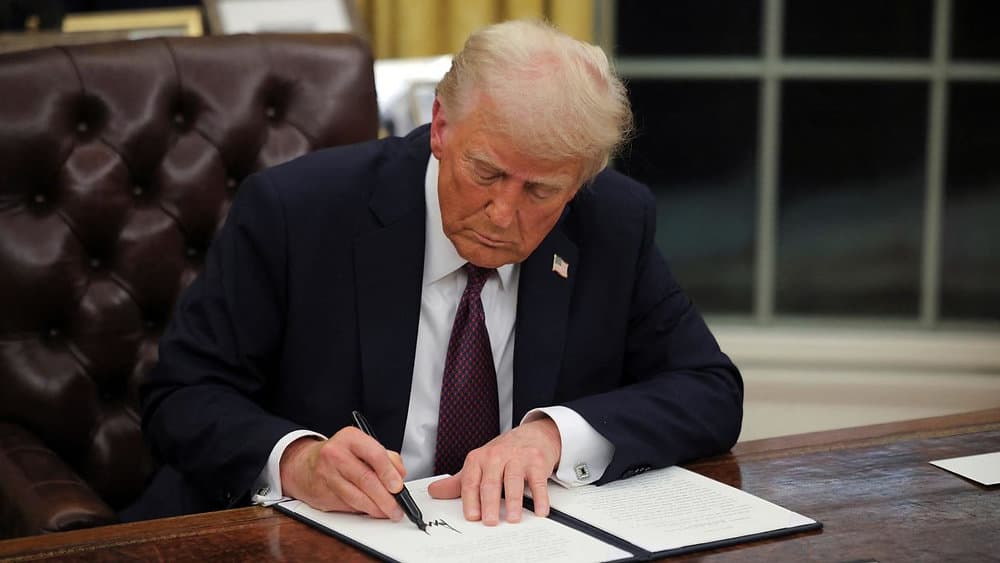
Trump cracks down on English-proficiency among truck drivers in new executive order
On April 28, 2025, President Donald J. Trump signed an Executive Order titled “Enforcing Commonsense Rules of the Road for America’s Truck Drivers." For trucking companies, drivers, and safety professionals, the order represents a significant shift in federal policy, particularly in its rigorous enforcement of English proficiency requirements for commercial motor vehicle (CMV) operators. In this article, we summarize the executive order, explore its implications, and provide historical context,
Brandon Wiseman
Arkansas enacts new English proficiency law
On April 14, 2025, Arkansas passed Act 604 into law, a sweeping piece of legislation that reshapes the landscape for commercial driver’s license holders operating within the state. The law introduces rigorous requirements aimed at ensuring safety and compliance on Arkansas highways. It mandates that drivers with foreign commercial driver’s licenses possess valid U.S. work authorization, demonstrate proficiency in the English language, and face stiff penalties for presenting fraudulent licenses.
Brandon Wiseman
Congressman Josh Brecheen Reintroduces DRIVE Act to Oppose Federal Speed Limiter Mandate
On April 10, 2025, Congressman Josh Brecheen (R-OK) reintroduced the Deregulating Restrictions on Interstate Vehicles and Eighteen-Wheelers (DRIVE) Act (H.R. 2819). This legislation aims to prevent the Federal Motor Carrier Safety Administration (FMCSA) from mandating speed limiters on commercial vehicles exceeding 26,000 pounds engaged in interstate commerce. Brecheen originally introduced the DRIVE Act in May 2023, but that version of the bill stalled in committee and never advanced to a floor
Brandon Wiseman
FMCSA to void over 15,000 driver med cards and remove non-compliant medical examiners from National Registry
On April 11, 2025, the U.S. Department of Transportation (USDOT), through the Federal Motor Carrier Safety Administration (FMCSA), has proposed the removal of two Houston-area medical examiners from the National Registry of Certified Medical Examiners (NRCME) for failure to properly perform physical qualification exams required for commercial motor vehicle (CMV) drivers. This move, which impacts over 15,000 drivers, underscores the agency’s commitment to ensuring only qualified professionals par
Brandon Wiseman
SCOTUS opens the door for truckers to sue over mislabeled CBD products
On April 2, 2025, the U.S. Supreme Court issued a 5-4 decision in Medical Marijuana, Inc. v. Horn, an important case with implications for regulated trucking. The Court ruled that a commercial truck driver could seek treble damages under the Racketeer Influenced and Corrupt Organizations Act (RICO) for financial losses (i.e., being out of a job) resulting from a mislabeled CBD product that led to a positive drug test and his termination.NEW Supreme Court ruling on CBD & truckers | What drivers n
Brandon Wiseman
Changes in store for CDL medical examiner certification process
Learn how FMCSA’s Medical Examiner’s Certification Integration Rule will impact fleets, drivers, and compliance procedures when it takes eff
Brandon Wiseman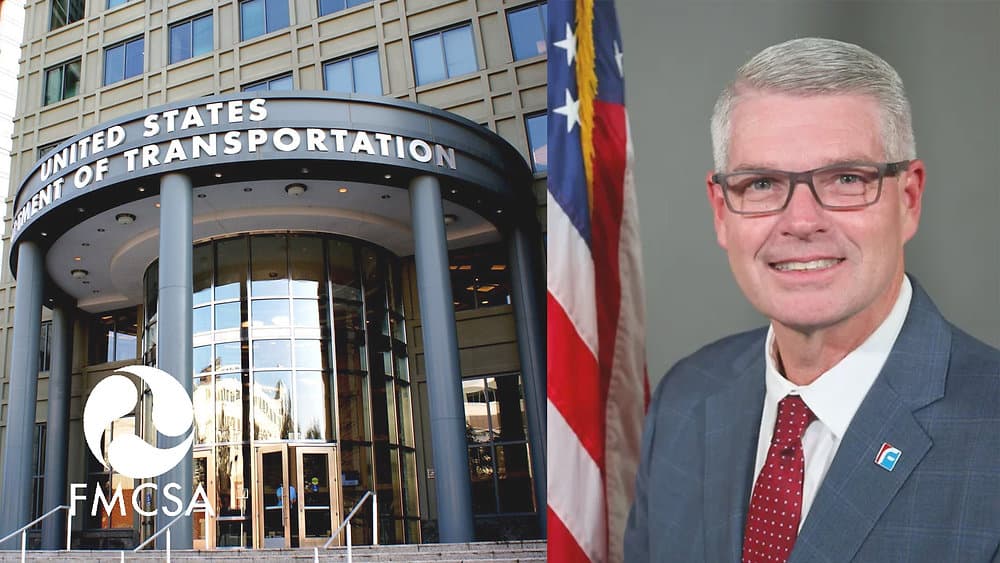
Trump nominates Derek Barrs as FMCSA Administrator
Just a few short weeks after announcing the appointment of Adrienne Camire as FMCSA's Acting Administrator, the Trump Administration has just announced the nomination of Derek Barrs to head the agency. Barrs formerly served as the Chief of the Florida Highway Patrol and was more recently appointed by Florida Governor Ron DeSantis to the Flagler County School Board. Barrs is also a member of the American Trucking Associations' Law Enforcement Advisory Board as well as the Florida Trucking Associa
Brandon Wiseman
Is your fleet audit ready?
For trucking companies, regulatory compliance isn’t just about avoiding fines—it’s about ensuring the safety of drivers, protecting the public, and maintaining the ability to operate efficiently. One of the most significant regulatory hurdles a motor carrier can face is an FMCSA compliance review. Whether it’s a new entrant safety audit, a focused review, or a full-scale compliance investigation, being prepared is crucial to keeping your fleet on the road and in good standing with regulators.Und
Brandon Wiseman
Compliance Myth: "Not for hire" means not regulated
One of the more common misunderstandings in the trucking industry is the belief that displaying “Not for Hire” on a truck somehow exempts it from federal or state motor carrier safety regulations. This myth has led many private carriers—those that transport their own goods rather than hauling freight for others—to operate under the false assumption they are not subject to regulatory oversight. The truth, however, is that the applicability of the vast majority of FMCSA and related state regulatio
Brandon Wiseman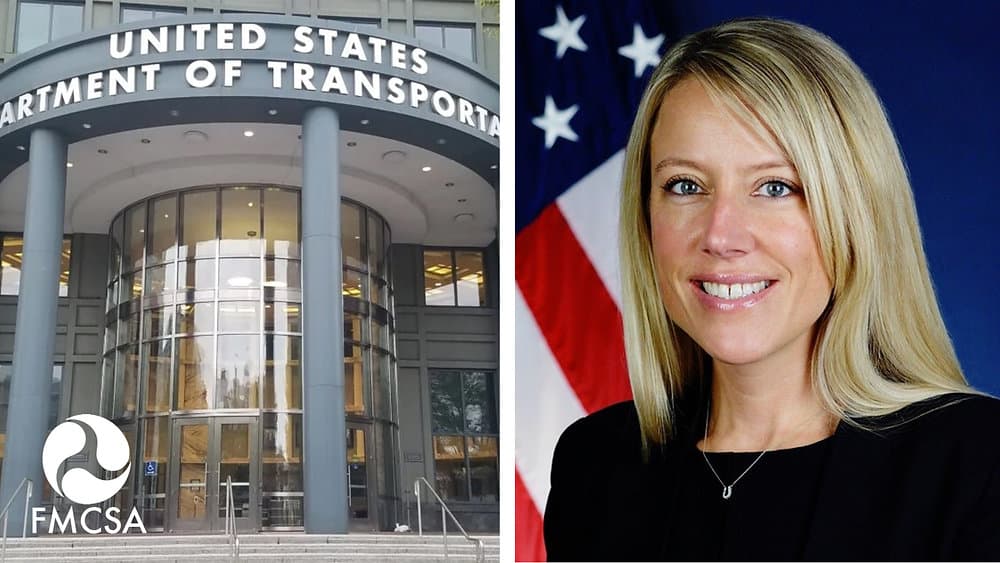
Adrienne Camire appointed as new FMCSA Acting Administrator
The U.S. Department of Transportation (USDOT) has appointed Adrienne Camire as the new Deputy Administrator and Acting Administrator of the Federal Motor Carrier Safety Administration (FMCSA). In this role, Ms. Camire will oversee FMCSA’s mission to enhance commercial motor vehicle safety, improve the efficiency of the nation’s freight and passenger transportation systems, and implement regulatory oversight.Unlike a Senate-confirmed Administrator, an Acting Administrator serves in a temporary ca
Brandon Wiseman
Navigating the Overlap: Federal vs. State Motor Carrier Safety Regulations
I. IntroductionThe regulation of motor carriers in the United States is a complex system involving both federal and state oversight. While the Federal Motor Carrier Safety Regulations (FMCSRs) establish nationwide safety standards for commercial motor vehicles (CMVs) operating in interstate commerce, individual states have the authority to regulate intrastate motor carriers within their borders. This dual regulatory structure often creates challenges for carriers trying to maintain compliance ac
Brandon Wiseman
Dispelling 5 common DOT compliance myths
Achieving DOT compliance can be tricky. Even seasoned safety professionals occasionally fall prey to some regulatory assumptions that aren’t quite true. Unfortunately, these misconceptions can lead to costly violations, increased exposure, and unnecessary headaches for trucking companies and their drivers.At Trucksafe, we help motor carriers navigate the complex web of federal and state safety regulations. In this article, we’ll debunk five of the most common DOT compliance myths to help you sta
Brandon Wiseman
Understanding FMCSA's Oilfield Exemptions
The Federal Motor Carrier Safety Regulations (FMCSRs) under 49 CFR 395.1(d) provide specific exemptions tailored for oilfield operations, commonly referred to as the "oilfield exemptions." These exemptions recognize the unique demands of the oil and gas industry and offer flexibility to drivers engaged in particular oilfield activities. This article delves into the two primary exemptions, detailing their applicability, offering practical usage tips, and highlighting potential pitfalls to avoid.U
Brandon Wiseman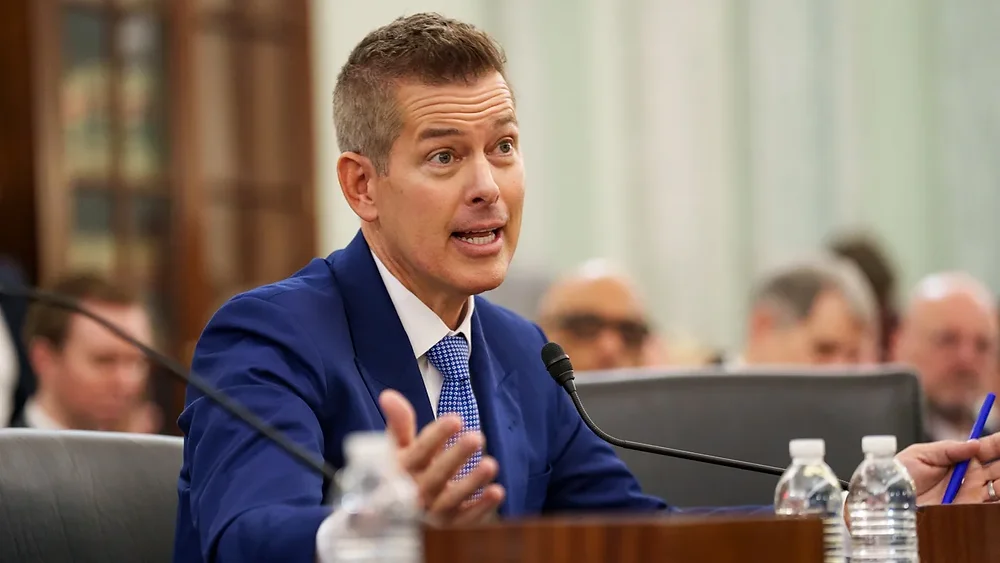
U.S. Senate confirms Sean Duffy as Secretary of Transportation
On January 28, 2025, the U.S. Senate confirmed Sean Duffy as the new Secretary of Transportation, marking a significant appointment in President Donald Trump’s administration. Duffy, a former U.S. Representative from Wisconsin, brings a diverse background to the role, encompassing law, politics, media, and even reality television. His confirmation has garnered attention across various sectors, particularly within the trucking industry.Duffy's BackgroundBorn on October 3, 1971, in Hayward, Wiscon
Brandon Wiseman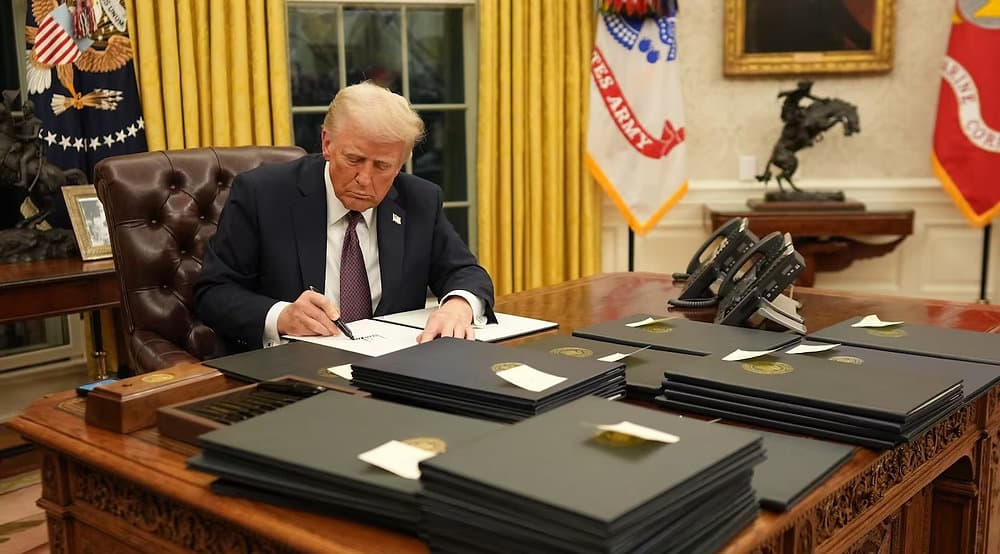
Trump enacts regulatory freeze: What it means for trucking
Among his first official acts while in office, President Donald Trump issued an executive order titled “Regulatory Freeze Pending Review,” initiating a comprehensive halt on federal rulemaking activities across executive departments and agencies. This directive mandates a thorough review of all pending regulations, including those promulgated by the Federal Motor Carrier Safety Administration (FMCSA) and other agencies under the USDOT’s umbrella. Regulatory freezes are not unprecedented. In fact
Brandon Wiseman
DQ, Personnel, and Drug & Alcohol Testing Files: Understanding the distinction
Managing compliance for regulated drivers in the trucking industry involves a myriad of record-keeping requirements. Among the most important are the Driver Qualification (DQ) File, the Personnel File, and the Drug & Alcohol Testing File. While these files serve different purposes, confusion about their distinctions and proper maintenance can lead to compliance issues and penalties. This article will explore each file type, explain why it is essential to keep them separate, and provide best prac
Brandon Wiseman
Top 5 roadside violations & how to avoid them
Commercial driving can be a challenging profession with significant responsibilities, especially when it comes to understanding and complying with the multitude of safety regulations that govern these operations. With so many rules to follow, even seasoned drivers can make mistakes that lead to roadside violations. On a recent episode of the Drive podcast by HandledNow, I had the privilege of addressing some of the top regulatory violations incurred by drivers and, more important, how they can a
Brandon Wiseman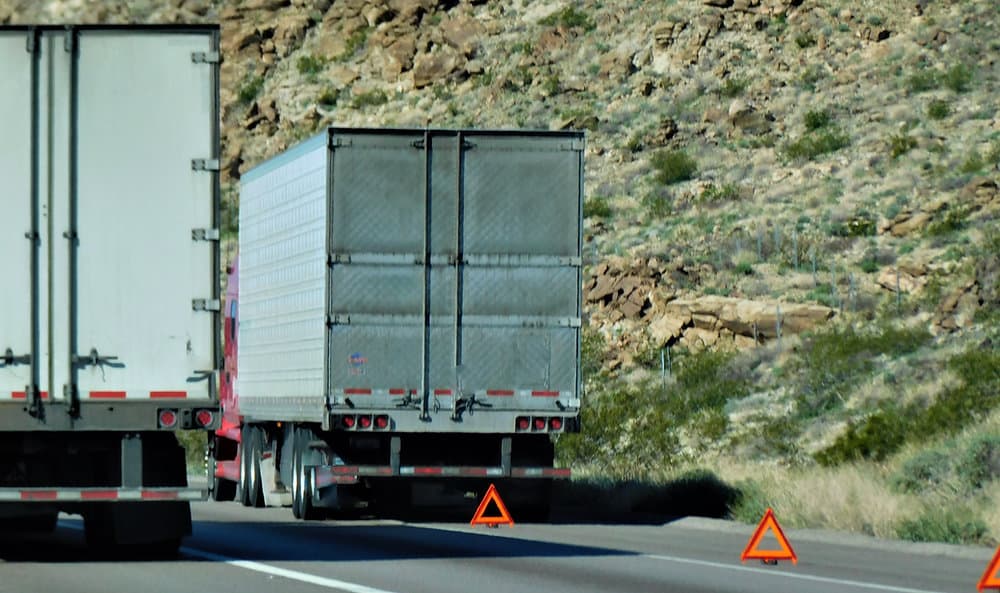
FMCSA to undertake new study on effectiveness of warning devices for stopped CMVs
The Federal Motor Carrier Safety Administration (FMCSA) has announced its intention to conduct a new study to evaluate the effectiveness of warning devices for parked or disabled commercial motor vehicles (PDCMVs). This initiative would be a step forward in advancing road safety for commercial motor vehicles (CMVs) and underscores FMCSA’s ongoing commitment to mitigating crash risks in increasingly complex driving environments.The Importance of Warning Devices for PDCMVsStopped or disabled CMVs
Brandon Wiseman
Year in Review: 2024 Regulatory Highlights and 2025 Outlook for Fleets
As 2024 winds down, the trucking industry finds itself reflecting on a transformative year while preparing for potential regulatory shifts in 2025. Episode 44 of Trucksafe LIVE! tackled key regulatory milestones, upcoming challenges, and industry-shaping court cases. Here's a comprehensive look back at 2024’s top trucking regulations and a forward-looking perspective on what fleets might expect in 2025. Catch the replay of the episode below! Trucksafe LIVE! | Ep. 44 - Year-in-review & 2025 outlo
Brandon Wiseman
FMCSA Updates the Crash Preventability Determination Program: What Fleets Need to Know
The Federal Motor Carrier Safety Administration (FMCSA) has finalized significant updates to its Crash Preventability Determination Program (CPDP), a key tool for fleets looking to improve their fleet compliance metrics including CSA scores. As forecasted in an earlier article, the CPDP, which allows motor carriers to challenge the classification of certain crashes as "non-preventable," is now being expanded to include new crash types and streamline the determination process. Here’s an in-depth
Brandon Wiseman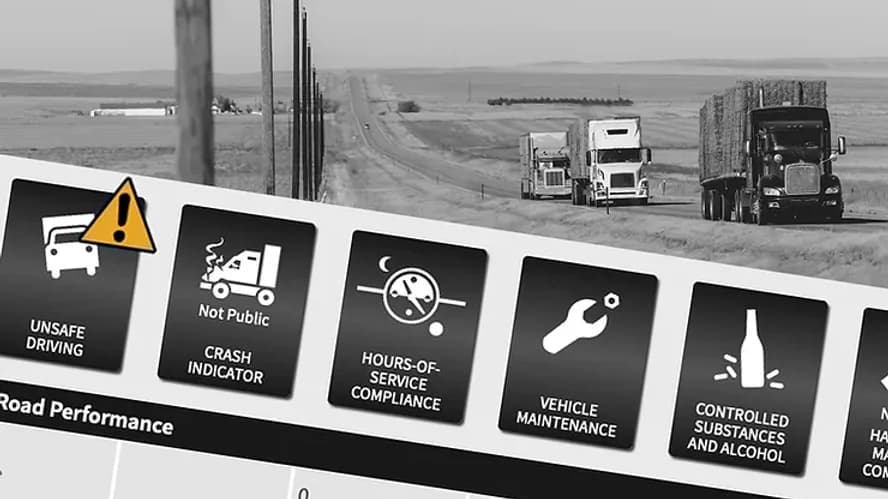
FMCSA pushing forward with Safety Measurement System (SMS) changes in light of public comments
The Federal Motor Carrier Safety Administration (FMCSA) has released its latest plans to update the Safety Measurement System (SMS) as part of its ongoing efforts to refine how motor carriers are prioritized for safety interventions. Following its latest public comment period after releasing its original February 2023 proposal, the agency's updates reflect significant enhancements and stakeholder contributions. This article summarizes the changes and their implications for motor carriers going f
Brandon Wiseman
What should fleets expect with a Republican Administration in 2025?
As the U.S. heads toward a presidential transition from a Democrat to a Republican administration in January 2025, fleet managers and industry leaders are preparing yet again for potential shifts in regulatory focus. The Federal Motor Carrier Safety Administration (FMCSA), in particular, plays a crucial role in shaping the trucking industry, affecting compliance, safety, and operational standards for motor carriers nationwide. And like other federal agencies, the FMCSA and its policies are heavi
Brandon Wiseman
Advanced Guide to the Split Sleeper Berth Rule: Maximizing Driving Flexibility and Efficiency
For commercial drivers, the split sleeper berth rule offers essential flexibility, especially when faced with unpredictable schedules, long detention times, and strict hours-of-service (HOS) limits. However, the rule’s complexity can make it challenging to implement correctly. In a previous article, we broke down the basic mechanics of the split sleeper rule. In this article, we’ll dive even deeper into the topic with some more complex examples and how drivers can best levarage the split sleepe
Brandon Wiseman
DOT Compliance for Small vs. Large Fleets
In the U.S. trucking industry, fleet managers, regardless of fleet size, face a myriad of challenges to ensure their business remains compliant with USDOT regulations. However, the scope and scale of these challenges can differ significantly depending on the size and complexity of the fleet. In this article, we'll explore the key differences in DOT compliance between small and large fleets, identify common challenges, and provide practical strategies for each to stay compliant. The Basics of DOT
Brandon Wiseman
Combating distracted driving & crafting an effective policy
Distracted driving is a major problem in the U.S., and its dangers are magnified in the trucking industry. It's no surprise that a commercial driver's inattention for even a few seconds can result in catastrophic accidents. For fleet managers, the stakes are high: distracted driving can lead to increased insurance premiums, legal liabilities, operational disruptions, and tragically, loss of life.In 2022, the National Highway Traffic Safety Administration (NHTSA) reported 3,308 deaths due to dist
Brandon Wiseman
Trucksafe launches two new services: Micro Audits & Bootcamp on the Road!
Fleet safety is a vital aspect of the transportation industry, ensuring not just compliance but also the well-being of drivers and the public at large. At Trucksafe, we're thrilled to unveil two new services to help fleets be proactive with compliance and keep themselves out of the crosshairs: Trucksafe Micro Audits and Bootcamp on the Road.Introducing Trucksafe Micro AuditsImagine having a virtual "check-up" for your DOT safety programs, providing you with a quick but comprehensive assessment
Brandon Wiseman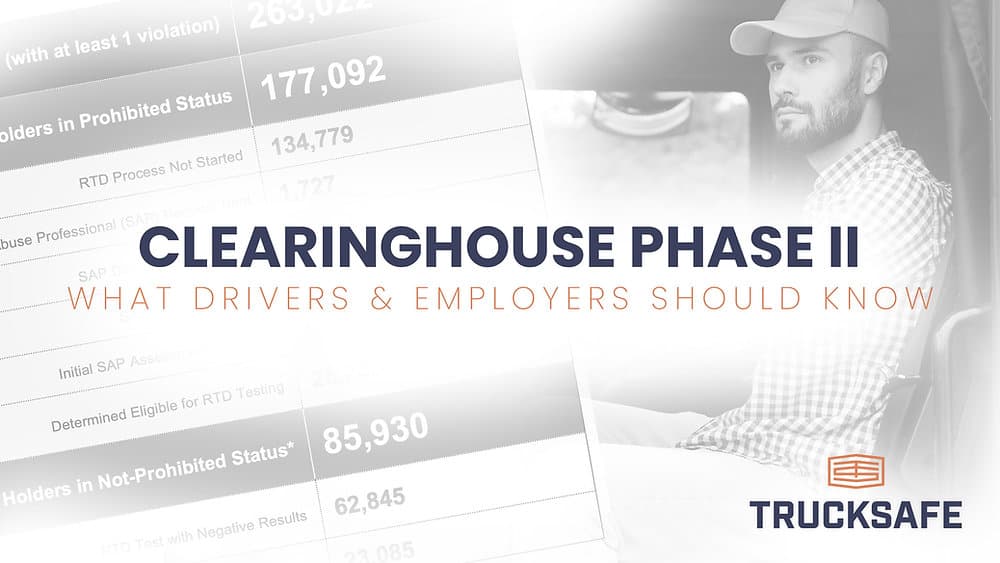
What You Need to Know About the Clearinghouse II Roll Out by FMCSA
In an effort to close gaps in federal drug & alcohol testing regulations, the Federal Motor Carrier Safety Administration (FMCSA) will soon roll out Clearinghouse Phase II—a significant change to the manner in which driver drug & alcohol violation data is accessed and utilized by State Driver's Licensing Agencies (SDLAs). BIG changes in store for the Drug & Alcohol Clearinghouse!Effective November 18, 2024, FMCSA, the federal agency charged with regulating the operation of commercial drivers an
Brandon Wiseman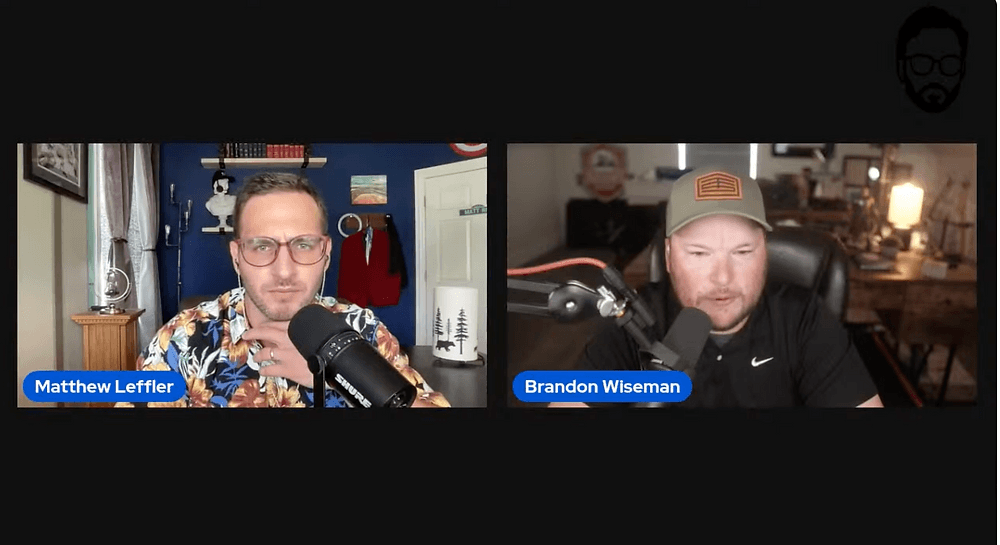
Trucksafe's Wiseman joins the Armchair Attorney to discuss ELDs, Chevron deference and more
But is your truck safe?Trucksafe's Brandon Wiseman recently joined Matt Leffler, the Armchair Attorney, on his podcast to discuss electronic logging devices, Chevron deference, and much more. Catch the replay above if you missed it. About Trucksafe Consulting, LLC: Trucksafe Consulting is a full-service DOT regulatory compliance consulting and training service. We help carriers develop, implement, and improve their safety programs, through personalized services, industry-leading training, and a
Brandon Wiseman
Qualification considerations for multiple-employer drivers
In other articles, we've harped on the importance of thoroughly vetting commercial drivers. Missteps in the qualification process regularly contribute to high CSA scores, downgraded safety ratings, and nuclear verdicts. Part 391 of the Federal Motor Carrier Safety Regulations, and related state rules, lay out the steps regulated carriers must follow when qualifying new drivers. Driver applications, previous employer safety performance history requests, motor vehicle reports (MVRs), and road test
Brandon Wiseman
Who is qualified to perform DOT annual and brake inspections?
It’s no secret those who operate commercial motor vehicles (CMVs) on public highways have a regulatory responsibility to ensure those vehicles are in a safe operating condition at all times. Under federal and many state laws, this is accomplished through a combination of daily driver walkaround inspections (e.g., pre-, post-, and en route inspections) and more thorough periodic inspections conducted by qualified inspectors. Of course, these inspections are critical to minimizing maintenance-rela
Brandon Wiseman
How drivers return to duty following a drug or alcohol violation
As of February 2024, there are over 163,000 CDL drivers in so-called “prohibited status” in the FMCSA’s Drug & Alcohol Clearinghouse, meaning they are prohibited from operating commercial vehicles due to a drug or alcohol violation. Of those 163,000+ drivers, 76% have not even started the regulatory process through which they could get back to driving. That process, known as return-to-duty (RTD), is meant to rehabilitate drivers through evaluation, education, and follow-up testing. It’s what we’
Brandon Wiseman
When are drivers eligible for a 16-hour driving window?
If you're a property-carrying motor carrier or driver, you're undoubtedly familiar with the so-called 14-hour rule, which requires commercial drivers to complete all their driving activities within the first 14 hours of first coming on duty following a 10 consecutive hour off-duty break. See 49 CFR 395.3(a)(2). It's one of the fundamental hours limitations contained within the broader hours-of-service rules in Part 395 of the Federal Motor Carrier Safety Regulations (FMCSRs), along with others l
Brandon Wiseman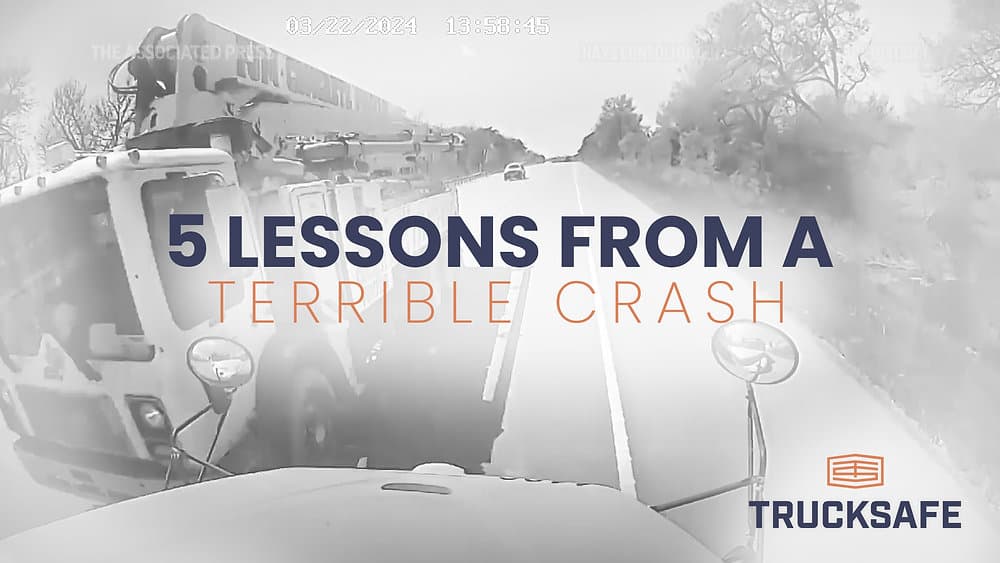
5 lessons from a terrible crash
On March 22, 2024, a concrete pumper truck veered into oncoming traffic on State Highway 21 in Texas, striking a school bus full of children and ultimately killing a 5 year-old and an adult. At the time of the crash, the bus was transporting 44 children and 11 adults home from a field trip to the Texas Zoo. According to reports, the driver of the concrete truck, 42 year-old Jerry Hernandez, admitted to law enforcement he had smoked marijuana the night before the accident, had used cocaine the mo
Brandon Wiseman
Understanding DOT road tests
Ensuring commercial drivers are properly qualified to operate heavy trucks or buses is a major part of complying with federal and state motor carrier safety regulations. That shouldn't come as a surprise since defects in drivers' qualifications routinely contribute to significant accidents. Indeed, Part 391 of the federal safety regulations contains dozens of rules carriers must follow before allowing an individual to operate a commercial vehicle on public highways. Things like pre-employment dr
Brandon Wiseman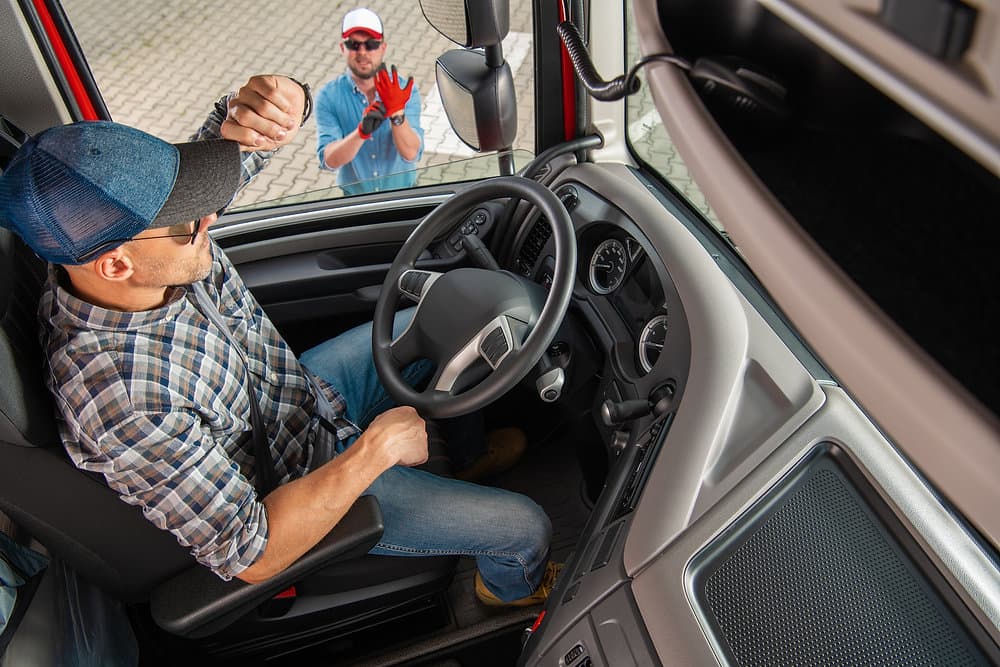
FMCSA proposes revisions to various CDL processes
FMCSA is proposing several changes to its commercial driver's license (CDL) program to "enhance the flexibility and efficiency of the CDL program," according to a notice published in the Federal Register. The agency says it plans to remove "certain regulatory restrictions to allow applicants to obtain a CDL and be productively employed as a CMV driver in less time than it currently takes, without compromising safety." FMCSA believes the proposal will "further address CMV driver shortages, enhanc
Brandon Wiseman
FMCSA proposing to remove over 15,000 medical examiners from National Registry
FMCSA is proposing to remove over 15,000 medical examiners from its National Registry of Medical Examiners, according to a notice to be published in the Federal Register soon.In its notice, the FMCSA explains these examiners have not set up accounts through login.gov, the government-run multi-factor authentication site, and therefore are unable to "fulfill regulatory requirements such as reporting results of physical qualification examinations performed on commercial motor vehicle (CMV) drivers,
Brandon Wiseman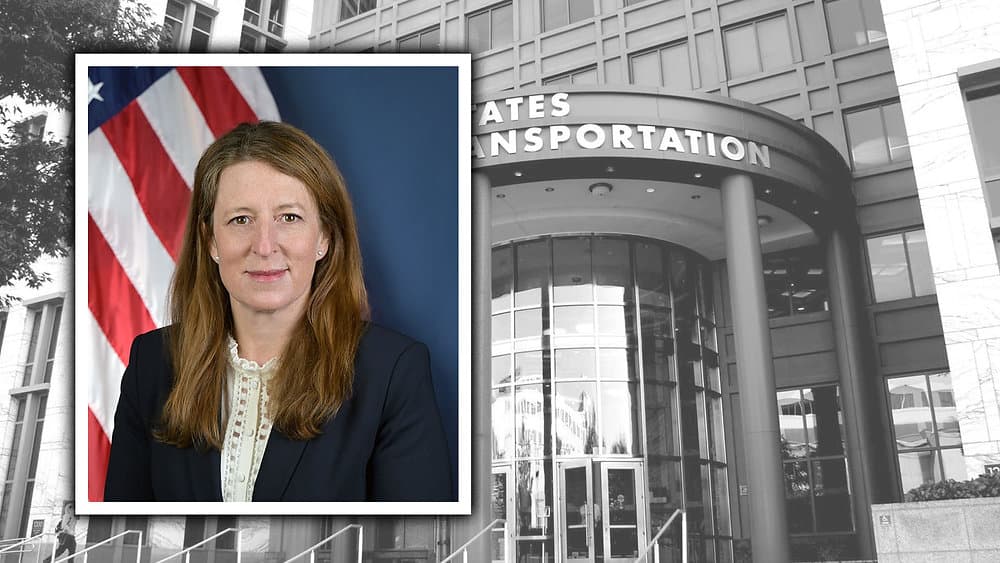
FMCSA Administrator to resign Jan. 26th
FMCSA Administrator Robin Hutcheson will be resigning from her post effective January 26, 2024. The reasons for her departure are not clear. Sue Lawless, FMCSA's recently appointed Chief Safety Officer and Assistant Administrator, is likely to serve as the agency's Acting Administrator.In a statement, Hutcheson said, “It has been the most profound honor to serve in the Biden-Harris Administration, and I am grateful to President Biden for appointing me to these roles. I thank Secretary Buttigieg
Brandon Wiseman
Shifting Sands of Independence: breaking down the DOL's new independent contractor rule
The rumble of diesel engines and the endless stretch of asphalt have long embodied the spirit of American independence. For countless truckers, the open road is more than a job; it's a way of life, woven into the fabric of our nation's economic and social landscape. However, this familiar landscape is once gain undergoing a shift due to the recently implemented Department of Labor (DOL) final rule on independent contractor classification, potentially altering the course for owner-operators and t
Brandon Wiseman
2023 regulatory year-in-review & 2024 outlook
2023 was a big year for trucking and a fairly busy one for regulators. We saw a lot of new proposed rule changes from the Federal Motor Carrier Safety Adminstration (FMCSA), particularly around their various enforcement mechanisms like safety ratings and CSA scores. With 2023 coming to a close, we're taking a look back at the most significant DOT-related regulatory initiaves from the past year and looking forward to what's in store for next year. 2023 Year In ReviewAs noted, the FMCSA was fairly
Brandon Wiseman
Understanding FMCSA verifications of employment
Vetting commercial drivers to ensure they are properly qualified is one of the foundational regulatory obligations placed on motor carriers by federal and state safety regulations. As we've discussed in other articles, there's a lot that goes into qualifying drivers. But there's one aspect of driver qualification in particular that seems to cause quite a bit of confusion, and that's the so-called "verification of employment" or "safety performance history request" process. In this article, we br
Brandon Wiseman
5 things fleets can do today to significantly reduce risk
In addition to operational concerns, regulated trucking companies are tasked with navigating a complex web of responsibilities, with the safety of their drivers, cargo, and the motoring public firmly at the core. And it's no secret that fleets have a big target on their back when things go sideways. The consequences of non-compliance and unsafe operations are severe, with fleet-wide shutdowns and multi-million dollar jury verdicts becoming increasingly common. Fortunately, there are ways to sign
Brandon Wiseman
FMCSA amends broker & freight forwarder financial responsibility rules
In a notice to be published in the Federal Register soon, the Federal Motor Carrier Safety Administration (FMCSA) announced revisions to its regulations pertaining to property broker and freight forwarder financial responsibility.This final rule, which is set to take effect 60 days from the date the rule is published in the Federal Register, modifies the following five regulatory areas relating to broker and freight forwarder financial responsibility:Assets Readily Available. In its 2012 MAP-21
Brandon Wiseman
Drug & alcohol testing for student drivers
The first foray into trucking for many commercial drivers is some type of truck driving or CDL school. These institutions provide a valuable service and mission-critical training to these prospective drivers, helping to ensure they are equipped with the foundational knowledge and skills to safely operate large trucks and buses. CDL schools took on an even more prominent role in the industry with the Entry Level Driver Training (ELDT) rules that took effect in 2022. One question you'll occasional
Brandon Wiseman
Controlling driver log falsifications
In a recent episode of our Trucksafe LIVE! podcast, we tackled the issue of commercial driver log falsification. What exactly are false logs? Log falsification is a misrepresentation of a commercial driver's duty status or driving time on their daily record of duty status. False logs can be deliberate or unintentional. Attempts to conceal substantive hours-of-service violations by mis-logging time are frequent contributors to log falsifications. Misuse of personal conveyance status, mischaracter
Brandon Wiseman
Keys to a compliant vehicle maintenance file
As a regulated fleet, there's no shortage of records you're required to maintain: driver qualification files, accident registers, insurance info, driver logs, drug/alcohol test results, just to name a few! One particularly important group of documents on that list are those pertaining to the maintenance of your commercial vehicles. Part 396 of the Federal Motor Carrier Safety Regulations compels motor carriers to properly inspect and maintain their equipment and document their efforts to do so
Brandon Wiseman
FMCSA to enhance DataQs appeal process
The Federal Motor Carrier Safety Administration (FMCSA) has plans to overhaul its DataQs system to accommodate deeper levels of appeal, according to a recent notice from the agency. "Stakeholders from industry, CMV drivers, and the public have expressed concerns regarding the transparency and uniformity of addressing Requests for Data Review (RDRs), and specifically, RDR Reconsiderations. Stakeholders note that program offices do not have a uniform process for initial RDR reviews or for handling
Brandon Wiseman
FMCSA again considering substantial changes to safety ratings
**UPDATE: Since publishing this article, the FMCSA has scheduled an in-person listening session at the Texas Truck Show in Houston on June 29, 2024 to hear from the public on the proposal to modify the safety rating process. The agency also plans to hold additional virtual listening sessions in June and July 2024 on the topic. The Federal Motor Carrier Safety Administration (FMCSA) is once again contemplating significant changes to its Safety Fitness Determinations, commonly known as "safety rat
Brandon Wiseman
FMCSA soliciting waiver requests to reinstate meal & rest break laws
In what seems like an unprecedented move, the Federal Motor Carrier Safety Administration (FMCSA) is soliciting regulatory waiver requests from the public, which, if granted, could reinstate California's and Washington's meal and rest break rules as applied to regulated commercial drivers. In a notice published to the Federal Register on August 14, 2023, the FMCSA explained, "the Agency will consider petitions for waiver of its December 21, 2018, and January 13, 2020, decisions preempting the St
Brandon Wiseman
Understanding roadside inspection reports
If you or your commercial driver have been stopped for a roadside inspection, it’s likely you’ve received a Driver/Vehicle Examination Report (DVER), also known as a roadside inspection report. These DVERs are standardized reports prepared by law enforcement following a commercial vehicle and/or driver inspection, which detail the level of inspection performed and any violations discovered. The reports are important for many reasons, so we will break them down line by line in this article. Downl
Brandon Wiseman
Federal appeals court rules claims against freight broker after crash are preempted
Earlier this week, the 7th Circuit Court of Appeals--the federal court with appellate jurisdiction over courts in Illinois, Indiana, and Wisconsin--ruled in favor of GlobalTranz, a freight broker, in a highway accident suit brought against it by plaintiff Ying Ye after her husband was killed in a crash caused by a carrier GlobalTranz had engaged to haul freight. The appeal presented the question of whether a plaintiff's claims against a property broker for negligently selecting/hiring an alleged
Brandon Wiseman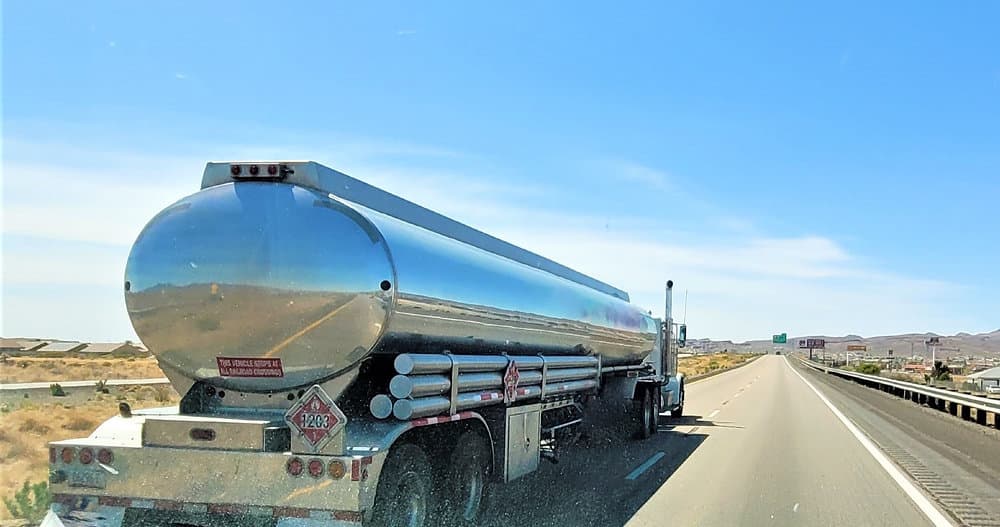
PHMSA contemplating several revisions to Hazardous Materials Regulations
The Pipeline & Hazardous Materials Administration (PHMSA)--the federal agency that regulates the multi-modal transportation of hazmat--is proposing several potentially-significant revisions to its Hazardous Materials Regulations (HMRs), according to an Advanced Notice of Proposed Rulemaking (ANPRM) published on July 5, 2023. According to the Notice, "PHMSA is publishing this ANPRM to solicit stakeholder feedback on initiatives PHMSA is considering that may modernize the Hazardous Materials Regul
Brandon Wiseman
FMCSA & NHTSA propose heavy vehicle automatic emergency brake rule
The Federal Motor Carrier Safety Administration (FMCSA) and the National Highway Traffic Safety Administration (NHTSA) published a joint Notice of Proposed Rulemaking on June 22, 2023, which would mandate that all newly-manufactured heavy trucks and buses be equipped with Automatic Emergency Braking (AEB) systems. “Advanced driver assistance systems like AEB have the power to save lives,” said NHTSA Chief Counsel Ann Carlson. “Today’s announcement is an important step forward in improving safety
Brandon Wiseman
FMCSA to implement operating authority exemption for providers of recreational activities
According to a June 2023 Notice of Proposed Rulemaking, The Federal Motor Carrier Safety Administration (FMCSA) intends to publish new rules to implement a statutory exemption from the interstate for-hire operating authority requirement for certain providers of "recreational activities." This proposal comes on the heels of the agency's recent efforts to clarify what types of passenger operations implicate other aspects of its regulations. According to the agency, Section 23012 of Congress's Inf
Brandon Wiseman
FMCSA again declines to tackle double brokerage
In a notice to be published in the Federal Register in the next couple of days, the FMCSA issued its "final guidance" on its regulatory definitions of the terms "broker" and "bona fide agent." This final guidance comes on the heels of the agency's "interim guidance" on this same topic, which it published in November of 2022 and which we discussed in detail in this article. The FMCSA's brokerage guidance is a response to Congress' mandate in its Infrastructure Investment and Jobs Act (IIJA). Spec
Brandon Wiseman
When trucking regulations run amok
Regulations have been my profession, my life, for many years. Trucking regulations, to be precise. I’ve devoted my career to helping fleets better understand and comply with the hundreds of safety-related regulations that govern their operations. And I step in to defend those fleets when they inevitably run afoul of the rules. Trucking is a heavily regulated industry, understandably so. It’s dangerous. Thousands of people die in the U.S. each year in accidents involving large trucks and buses, n
Brandon Wiseman
Telematics for Trucking: A Guide to Choosing the Right Solution
The term "telematics," at least in trucking, is generally understood to mean use of electronic devices to collect and transmit data about commercial vehicles and drivers. This data can be used to improve safety, efficiency, and compliance. In a recent episode of the Trucksafe LIVE! podcast, we broke down that term, identified some of the most common types of telematics solutions, and discussed some of the benefits and pitfalls that fleets should consider when deciding whether to implement a part
Brandon Wiseman
USDOT approves mouth swabs for regulated drug screens
The USDOT and its subagencies, including the Federal Motor Carrier Safety Administration, have amended their respective drug/alcohol testing regulations to add oral fluid as an authorized testing method for the presence of unlawful drugs. According to the Final Rule to be published in the Federal Register on May 2, 2023 and to become effective 30 days after, “this additional methodology for drug testing will give employers a choice that will help combat employee cheating on urine drug tests and
Brandon Wiseman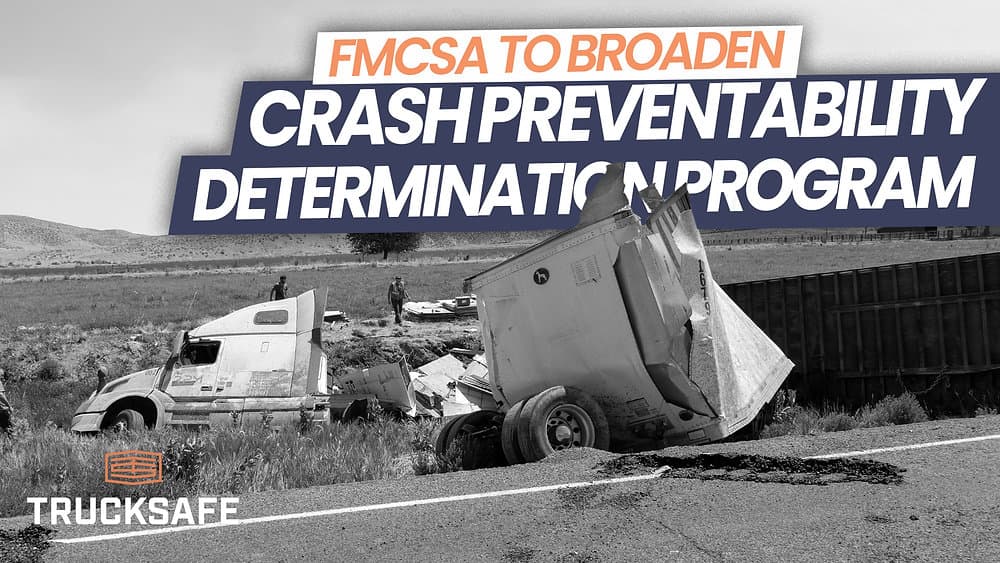
FMCSA to broaden Crash Preventability Determination Program
The Federal Motor Carrier Safety Administration (FMCSA) has plans to expand the federal program through which regulated motor carriers challenge the preventability of accidents in which their drivers are involved. According to its notice published on April 12, 2023, the FMCSA proposes to broaden its Crash Preventability Determination Program (CPDP), such that more types of accidents will be eligible for a preventability ruling. The agency first stood up the CPDP in May 2020, following industry c
Brandon Wiseman
FMCSA overhauls Clearinghouse notifications
The federal Drug & Alcohol Clearinghouse--a central repository for drug/alcohol testing data for CDL drivers--has now been in place for more than three years. As we addressed in another article, the Clearinghouse's three-year anniversary in January 2023 brought with it changes to the process that motor carriers must follow when first onboarding CDL drivers. But even more recently, in mid-March, the FMCSA overhauled the way that its Clearinghouse notifies employers (i.e., motor carriers) of any c
Brandon Wiseman
Top 5 personal conveyance mistakes
It’s 2023, and personal conveyance remains one of the most misunderstood and abused aspects of the Federal Motor Carrier Safety Regulations. It is one of the leading contributors to log falsification violations, roadside out of service orders, elevated hours-of-service scores, downgraded safety ratings, and civil penalties. In fact, personal conveyance misuse is so prominent that it has its own violation code in the Safety Measurement System (SMS) methodology.With so much at stake, it’s critical
Brandon Wiseman
Who is subject to hazmat registration and training rules?
Operating large trucks and buses on public highways can be dangerous, but adding hazardous materials to the mix can significantly raise the stakes and warrants extra caution. At Trucksafe, we talk a lot about the Federal Motor Carrier Safety Regulations (FMCSRs) and how they impact fleets, but we spend less time addressing the Hazardous Materials Regulations (HMRs), an entirely separate body of the federal law. If you transport or otherwise handle hazardous materials, it's imperative you underst
Brandon Wiseman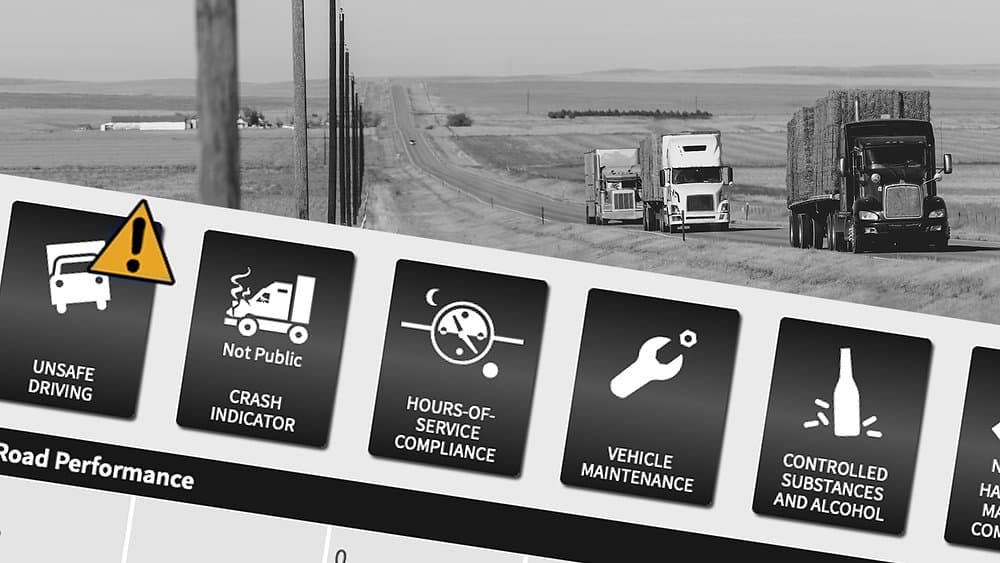
FMCSA proposes substantial revisions to its Safety Measurement System (SMS)
The Federal Motor Carrier Safety Administration (FMCSA) is proposing fairly substantial changes to its Safety Measurement System (SMS) also known as CSA, which the agency uses to prioritize motor carriers for enforcement. According to a notice published in the Federal Register on February 15, 2023, "FMCSA continues its commitment to continuously improving SMS to identify motor carriers that present the highest crash risk through a transparent and effective system." We'll break it all down in thi
Brandon Wiseman
When is it appropriate for drivers to claim adverse driving condition exemption?
There's nothing quite as frustrating as being stuck in traffic for lengthy periods. Now multiply that frustration by at least ten when you're a commercial driver faced with the pressure of timely and safely delivering freight to an expectant customer on the one hand and staying within your allotted hours-of-service on the other. It's maddening! Fortunately, the Federal Motor Carrier Safety Regulations offer some regulatory relief to drivers faced with so-called "adverse driving conditions," at l
Brandon Wiseman
Understanding FMCSA civil penalties
In January 2023, the Federal Motor Carrier Safety Administration (FMCSA) announced inflation-adjusted increases to its civil penalties. Now, it’s probably not surprising to you that the FMCSA is vested with the authority to enforce its safety regulations by assessing civil penalties. It’s really no different than other government agencies imposing fines for other types of non-compliance. That in mind, there are some nuances to the FMCSA’s civil penalties which are worth discussing, at least at a
Brandon Wiseman
What property brokers MUST know about their role in highway accidents
In late 2022, the U.S. Supreme Court refused to hear a case involving C.H. Robinson, one of the largest property brokers in the world, in which Robinson was alleged to have negligently hired a motor carrier that caused a bad accident and severely injured the plaintiff in the case. Robinson contended these types of lawsuits against property brokers are preempted by a federal law known as the Federal Aviation Administration Authorization Act or FAAAA, which generally prohibits states from enforcin
Brandon Wiseman
FMCSA delivers another blow to hair testing
In a notice to be published in the Federal Register soon, the Federal Motor Carrier Safety Administration (FMCSA) announced its decision to deny a petition filed by The Alliance for Driver Safety & Security--an alliance of large motor carriers--concerning the use of hair testing for DOT-mandated drug tests. If you are a CDL driver or you employ them, you’re familiar with the DOT drug testing process, which has historically relied on urinalysis as the only approved method for conducting DOT-manda
Brandon Wiseman
FMCSA rule changes for 2023?
2022 was a big year for trucking and a fairly busy one for regulators. We saw a lot of new rules come out of the Federal Motor Carrier Safety Administration (FMCSA) this year, including most notably the Entry Level Driver Training regulations from February. But with 2022 coming to a close, the question is what’s in store for 2023 from a regulatory perspective. That's what we're discussing in this article. It's no surprise that highway transportation is very heavily regulated, at least from a sa
Brandon Wiseman
How carriers can protect themselves against cargo loss & damage
Cargo and freight claims can be a complex and daunting area of transportation law. However, proper planning and understanding of the risks involved can go a long way in avoiding costly issues.In a recent episode of our Trucksafe LIVE! podcast, we were fortunate to have two leading experts on the topic, transportation attorneys Kristen Johnson and Craig Helmreich, join us to discuss their experiences and insights.First and foremost, Johnson and Helmreich emphasized the importance of having a clea
Brandon Wiseman
2022 in Review: Top Trucksafe Content
2022 was a big year for the trucking industry and a busy one for us at Trucksafe! We met a lot of great carriers and safety professionals this year and were honored to help our carrier clients on a number of compliance-related projects. We produced and published well over 100 hours of DOT-related content across our various platforms. We developed a couple of new courses through our Trucksafe Academy. We launched our Trucksafe Compliance Network and hosted a bunch of free educational webinars. We
Brandon Wiseman
When should trucking companies hire a dedicated safety director?
Whether you've just started your motor carrier operation or have been at it for some time, you undoubtedly know that trucking is a heavily regulated industry, and for good reason. Operating large trucks and buses is inherently dangerous. The consequences of unsafe operations can be severe. Navigating the multitude of federal and state safety regulations that govern highway transportation and implementing effective policies and procedures to minimize accidents are tall tasks. And they probably ha
Brandon Wiseman
FMCSA proposes to scale back regulatory relief during declared emergencies
According to a notice scheduled to be published in the Federal Register soon, the Federal Motor Carrier Safety Administration (FMCSA) is proposing to "narrow the scope of regulations from which relief is provided automatically for motor carriers providing direct assistance when an emergency has been declared."For decades, the agency's regulations have granted fairly broad regulatory relief to those providing direct assistance to "emergency relief efforts" following emergency declarations issued
Brandon Wiseman
5 steps to improve your out of service rates
Out of service rates are important metrics for regulated motor carriers. These rates, which are publicly available on each carrier’s SAFER profile, indicate how frequently a carrier’s vehicles and drivers are being placed out of service (i.e., prohibited from operating) for serious violations during roadside inspections. As we detailed in a previous article, out of service rates are one of five critical safety metrics that fleets should be closely monitoring and working to improve. High rates ca
Brandon Wiseman
Applicability of federal motor carrier regulations to passenger operations
The Federal Motor Carrier Safety Administration (FMCSA) is the federal agency charged with regulating the interstate operation of commercial motor vehicles. It does so through its promulgation and enforcement of its Federal Motor Carrier Safety Regulations (FMCSRs) in title 49 of the Code of Federal Regulations, Parts 390-399. The manner in which the FMCSA regulates property carriers differs from the way it regulates passenger carriers. As addressed in a prior article, the applicability of the F
Brandon Wiseman
FMCSA clarifies key brokerage definitions
The Federal Motor Carrier Safety Administration (FMCSA), at the direction of the U.S. Congress, has issued regulatory guidance aimed at clarifying the statutory and regulatory definitions of the terms "broker" and "bona fide agent." As explained in the agency's November 15, 2022 notice, this "interim guidance [is intended] to inform the public and regulated entities about FMCSA’s interpretation of the definitions of 'broker' and 'bona fide agents' as it relates to all brokers of transportation b
Brandon Wiseman
Changes in store for the Drug & Alcohol Clearinghouse?
On January 6, 2023, the federal Drug & Alcohol Clearinghouse will have been in effect for three years. That's an important milestone for a f
Brandon Wiseman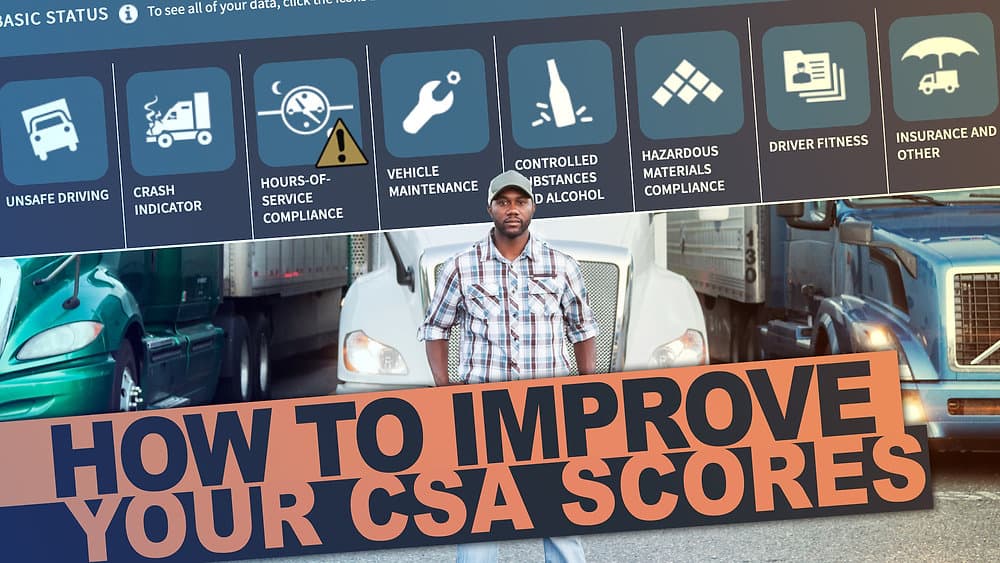
How to improve your CSA scores
CSA scores are a big deal for regulated motor carriers. High CSA scores can lead to increased insurance premiums, lost business, and heightened exposure in highway accident litigation. Keeping your scores as low as possible is important, but how do you do it? That's the million dollar question. Although the answer is pretty straightforward, it's unfortunately not what most fleets want to hear. Lowering your CSA scores (and keeping them low) takes time and effort. There is no magic wand. There ar
Brandon Wiseman
COVID-19 emergency HOS exemption lapses
The Federal Motor Carrier Safety Administration (FMCSA) has chosen not to renew its Covid-19 emergency declaration that had been in place since March 2020 and provided some regulatory relief (primarily HOS-related) for carriers and drivers transporting certain commodities as part of the emergency relief efforts like vaccines, food supplies, etc. The declaration, which the agency had renewed several times over the past two years, expired on October 15th. According to the FMCSA's website, "There a
Brandon Wiseman
FMCSA contemplating electronic vehicle identification tags
Among its flurry of recently-published notices, the Federal Motor Carrier Safety Administration (FMCSA) has announced it is seeking comments on whether the agency should amend its regulations to require "every commercial motor vehicle (CMV) operating in interstate commerce to be equipped with electronic identification (ID) technology capable of wirelessly communicating a unique ID number when queried by a Federal or State motor carrier safety enforcement personnel." The agency's notice is a resp
Brandon Wiseman
FMCSA mulling tweaks to ELD rules
In a notice published in the Federal Register in mid-September 2022, the FMCSA is seeking comments from the public on whether to modify certain portions of its electronic logging device (ELD) rule. That rule, first published in 2015, mandated the use of ELDs by most regulated drivers as a means to more accurately track their daily duty status. According to the FMCSA, “lessons learned by Agency staff, State enforcement personnel, ELD providers, and industry over the last few years can be used to
Brandon Wiseman
FMCSA evaluating continued need for COVID emergency declaration
In a notice posted to the Federal Register on September 6, 2022, the Federal Motor Carrier Safety Administration (FMCSA) is seeking comments from regulated motor carriers concerning their use of the existing COVID-19 emergency declaration and exemption, in an effort for the agency to determine whether it should continue to renew that declaration going forward. The FMCSA first issued the declaration on March 13, 2020, offering a fairly broad exemption from various parts of the federal safety regu
Brandon Wiseman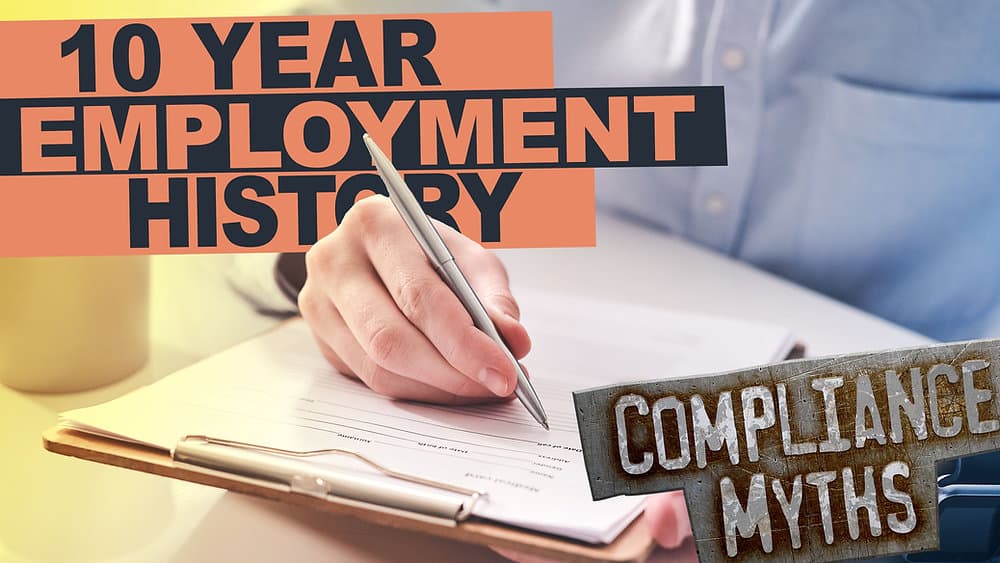
Compliance myth: 10-year employment history
There's a lot that goes into qualifying a regulated driver: applications, motor vehicle reports, license checks, drug tests...and the list goes on! One particularly critical component of the driver qualification process is the past employment verifications that prospective motor carrier employers must make on every driver applicant. Of course, in order to conduct these verifications, carriers must first know for whom an applicant has worked in the past. But how far in the past must driver applic
Brandon Wiseman
FMCSA declares regional emergency due to Midwest BP refinery fire
The Federal Motor Carrier Safety Administration (FMCSA) has issued a Regional Emergency Declaration in response to the "the unanticipated shutdown of the BP Whiting refinery as a result of a fire on August 24, 2022 that affects the supply of gasoline, diesel, and jet fuel throughout the Affected States." According to sources, the fire affected utilities to multiple units at BP's largest Midwest refinery and has caused a tightening in the regional wholesale supply of fuel. The FMCSA's declaratio
Brandon Wiseman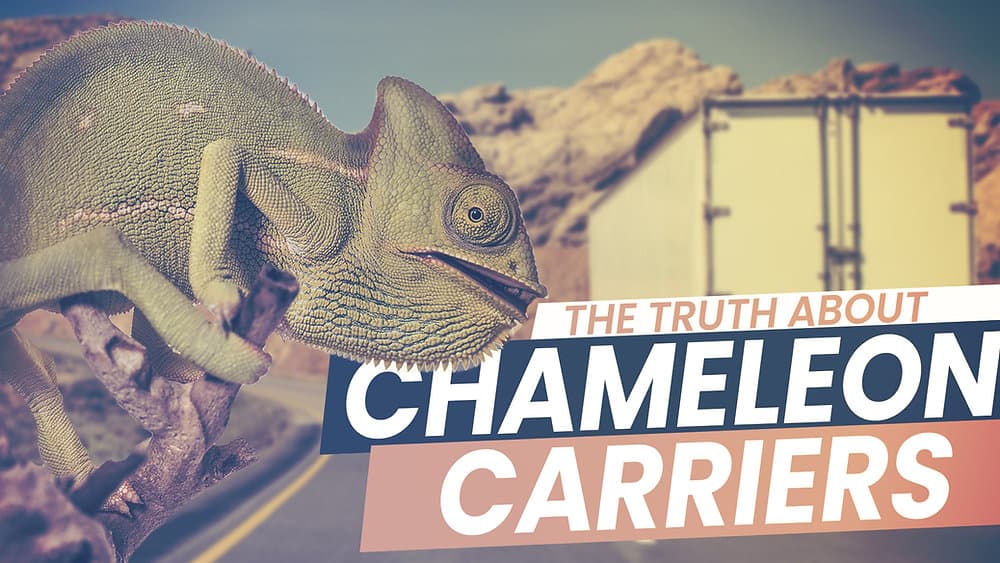
What are chameleon carriers?
Chameleons--the reptiles, that is--are known for their ability to change their physical appearance to blend into their surroundings. The Federal Motor Carrier Safety Administration (FMCSA), which is primarily responsible for regulating highway safety, has ascribed similar characteristics to nefarious motor carriers who attempt to avoid the consequences of non-compliance by closing up shop and reincarnating under a different name or USDOT number. These so-called "chameleon carriers" believe that
Brandon Wiseman
USDOT contemplates electronic recordkeeping for drug & alcohol documents
The United States Department of Transportation (USDOT) is seeking comments on how its regulations for conducting workplace drug and alcohol testing for federally-regulated transportation companies should be amended to allow the use of electronic signatures and the electronic storage of forms and data. In an Advanced Notice of Proposed Rulemaking (ANPRM) published on August 5, 2022, the USDOT said "the use of electronic forms and signatures . . . will help DOT- regulated employers and their servi
Brandon Wiseman
Compliance Myths: Required truck markings
With as much variability in truck markings as there is, you'd be inclined to think there isn't some standard or regulation on the topic.
Brandon Wiseman
5 reasons to consolidate DOT#s (and how to do it)
Managing a regulated fleet of commercial vehicles and drivers is a daunting task. Ensuring each and every driver is properly licensed and qu
Brandon Wiseman
Answering ELDT questions
In this post, we're answering all your burning questions about the FMCSA’s Entry-Level Driver Training (ELDT) rule--to whom it applies, who is exempt, and everything in between! For an in-depth breakdown of the rule itself, be sure to check out our prior article. As of the date of this article, we’re about 5 months into the new ELDT requirement, which took effect February 7, 2022. Without a doubt, the rule is a pretty big one…impacting every individual who is now seeking a Class A or B CDL or ce
Brandon Wiseman
Compliance Myths: Double brokering is illegal
Some will claim double brokering is illegal, but is that actually the case? We tackle this compliance myth in this article.
Brandon Wiseman
FMCSA seeking comments on "brokerage" definitions
The Federal Motor Carrier Safety Administration (FMCSA) is seeking responses to several questions that will inform future guidance on the topic of what is "brokerage" and "bona fide agents." In a notice posted to the Federal Register on June 9, 2022, the agency noted its questions come in response to a Congressional directive (Infrastructure Investment and Jobs Act) to clarify the terms "broker" and "bona fide agents" by November 15, 2022. Specifically, FMCSA must, at minimum: FMCSA (1) examine
Brandon Wiseman
FMCSA issues exemption to carriers hauling baby formula
In a notice posted May 23, 2022, the Federal Motor Carrier Safety Administration (FMCSA) declared a national emergency related to the closure of a key manufacturing facility for baby formula and the resulting nationwide formula shortage. According to the notice, "th[e] Emergency Declaration addresses nationwide emergency conditions creating a need for immediate transportation of baby formula, ingredients for the production of baby formula including but not limited to whey, casein, corn syrup and
Brandon Wiseman
FMCSA revives discussion on mandatory state passenger CMV inspections
In a notice soon to be published in the Federal Register, the Federal Motor Carrier Safety Administration (FMCSA) announced it will be reopening comments on its 2016 Advanced Notice of Proposed Rulemaking (ANPRM) concerning mandatory state inspections of certain passenger-carrying commercial motor vehicles (CMVs).In 2016, FMCSA published an ANPRM titled “State Inspection Programs for Passenger-Carrier Vehicles." The ANPRM announced that FMCSA was considering a requirement that States establish a
Brandon Wiseman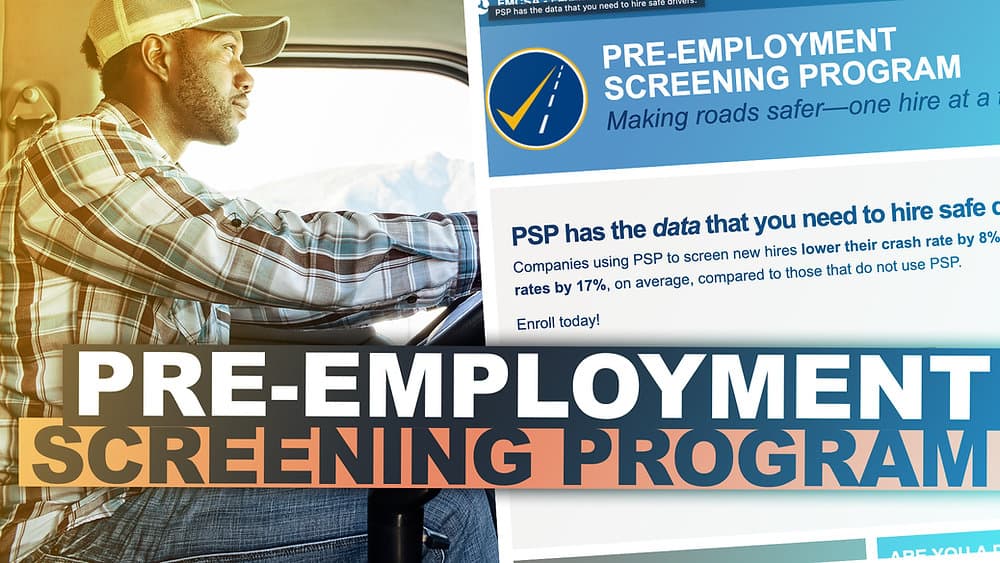
Understanding the Pre-Employment Screening Program (PSP)
At its heart, PSP provides carriers, individual drivers, and industry service providers access to commercial drivers' safety records from th
Brandon Wiseman
FMCSA reignites speed limiter proposal for larger trucks
The Federal Motor Carrier Safety Administration is moving forward with its 2016 proposed rulemaking that would require larger trucks to be equipped with speed limiter technology. In an Advanced Notice of Proposed Rulemaking posted on May 3rd, the agency said it is “provid[ing] a series of questions to gather information and data to assist FMCSA in drafting a Supplemental Notice of Proposed Rulemaking” to offer proposed regulatory text and address comments from the initial proposal. The 2016 rule
Brandon Wiseman
Understanding DOT physical exams & med cards
In order for an individual to be qualified to operate a commercial motor vehicle (CMV), he/she must meet the minimum qualification standards set forth in Part 391 of the federal motor carrier safety rules, and motor carriers that employ or engage drivers have a responsibility to ensure that their drivers are and remain qualified under those rules. One of those minimum qualification standards warrants additional attention and it’s the one that says that drivers must be physically qualified to ope
Brandon Wiseman
5 things to understand about new entrant audits
If you're starting up a new trucking business, you undoubtedly have a lot on your plate! But some things you can't afford to ignore are your compliance-related obligations under the Federal Motor Carrier Safety Regulations (FMCSRs) and any applicable state regulations. Indeed, most newly registered motor carriers end up going out of business within the first year of operations, and too often, noncompliance is the culprit.Highway transportation remains one of the most heavily regulated industries
Brandon Wiseman
5 things fleets should know about DOT audits
No motor carrier expects to be audited, and most do little to prepare until it’s too late. But simply understanding the process goes a long
Brandon Wiseman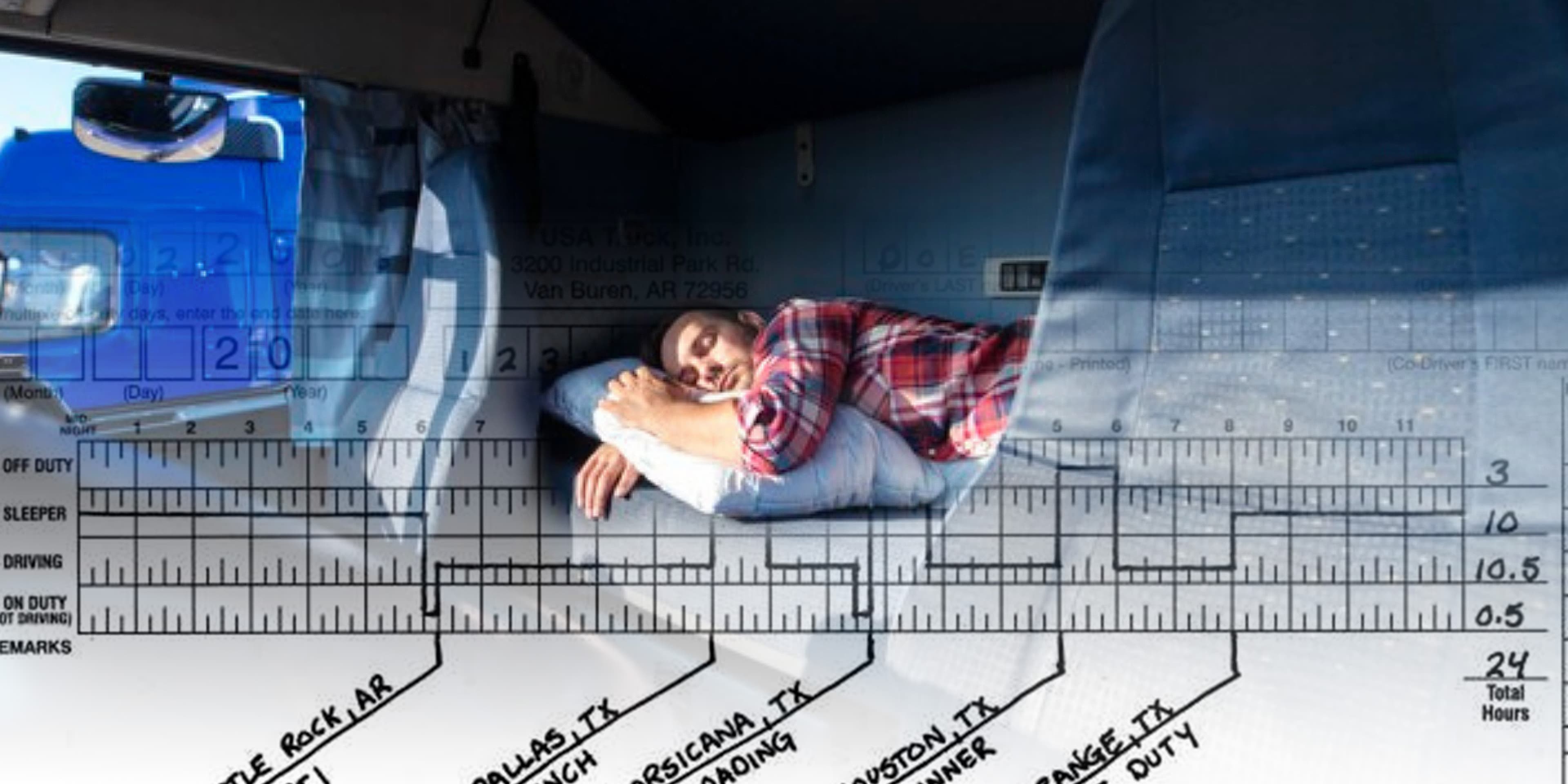
What is the split sleeper berth rule?
One of the more confusing aspects of the federal hours-of-service rules, at least for some drivers, is the so-called “split sleeper berth” rule. Used correctly, this rule offers some decent flexibility to drivers whose trucks are equipped with a sleeper berth, particularly when it comes to times they are detained at shipper or receiver facilities. But the rule isn’t all that intuitive, unfortunately, so in this article, we will break down the split sleeper rule. But generally speaking...The spli
Brandon Wiseman
FMCSA to increase civil penalties for regulatory violations
The Federal Motor Carrier Safety Administration (FMCSA) is increasing the fine amounts for certain violations of its Federal Motor Carrier Safety Regulations. In a notice to be published in the Federal Register on March 21, 2022, the agency announced its annual inflation adjustments to its civil penalty schedule. These penalties appear in 49 CFR Part 386, Appendix A, and are generally assessed following the discovery of egregious safety violations. Generally speaking, the civil penalty amounts l
Brandon Wiseman
FMCSA withdraws third-party and out-of-state CDL testing rulemakings
In two separate notices to be published on March 9, 2022, the Federal Motor Carrier Safety Administration (FMCSA) is formally withdrawing CDL-related rulemakings that would have provided some flexibility to the knowledge and skills testing process. In the first notice, the agency is withdrawing a proposed rule that would have allowed driver applicants to take the commercial driver’s license (CDL) general and specialized knowledge tests in a state other than the applicants state of domicile. That
Brandon Wiseman
FMCSA to eliminate certificate of violations requirement
In a Final Rule to be published on March 9, 2022, the Federal Motor Carrier Safety Administration (FMCSA) is doing away with the regulatory requirement that drivers operating commercial motor vehicles (CMVs) in interstate commerce prepare and submit a list of their convictions for traffic violations to their employers annually. According to the agency, this requirement "is largely duplicative of a separate rule that requires each motor carrier to make an annual inquiry to obtain the motor vehicl
Brandon Wiseman
FMCSA to allow greater flexibility for installation of interior CMV safety technology
In a Final Rule expected to be published to the Federal Register on March 7, 2022, the Federal Motor Carrier Safety Administration (FMCSA) is amending certain provisions of its Federal Motor Carrier Safety Regulations (FMCSRs) to increase the area on the interior of commercial motor vehicle (CMV) windshields where certain "vehicle safety technology" devices may be mounted. In addition, the agency has added items to the list of qualifying vehicle safety technologies. Under existing rules (49 CFR
Brandon Wiseman
DOT proposes to allow oral fluid drug testing
In a notice published to the Federal Register on February 28, 2022, the United States Department of Transportation (USDOT) is proposing to revise its existing drug and alcohol testing rules in 49 CFR Part 40 to, among other things, expand the allowable methods for DOT drug testing to include oral fluids. According to the agency, "this will give employers a choice that will help combat employee cheating on urine drug tests and provide a more economical, less intrusive means of achieving the safet
Brandon Wiseman
Supreme Court strikes down OSHA vaccine mandate for large employers
The U.S. Supreme Court, in its January 13th ruling, halted enforcement of the impending and controversial COVID-19 vaccine mandate issued by the Biden Administration that would have required large employers (i.e., those with more than 100 employees) to ensure workers were either vaccinated or subject to weekly testing. In its 6-3 ruling, the Court noted that, "Although Congress has indisputably given OSHA the power to regulate occupational dangers, it has not given that agency the power to regul
Brandon Wiseman
FMCSA provides details on 18-21 year old apprenticeship program
The FMCSA's Safe Driver Apprenticeship Pilot Program will soon be live. Here's what we know about the program and its requirements so far.
Brandon Wiseman
FMCSA takes first step in establishing apprenticeship program
At Congress's direction, the FMCSA will soon be establishing an apprenticeship program that will allow 18-20 year olds to operate interstate
Brandon Wiseman
Risky business: CBD use by commercial drivers
CBD use among commercial drivers is on the rise, but carriers and drivers need to understand the risks associated with CBD use.
Brandon Wiseman
FMCSA again extends COVID-19 emergency exemption
The FMCSA again extends its COVID-19 related exemption for carriers providing direct assistance to emergency relief efforts.
Brandon Wiseman
Why fleets should be investing in DOT regulatory training
Carriers have long recognized the need to provide training on safe driving techniques. But fewer appreciate the need for regulatory training
Brandon Wiseman
What prompts a DOT compliance audit?
The DOT prioritizes motor carriers for audits based on a few different factors. We break them down in this article.
Brandon Wiseman
Ohio DOE seeks exemption from ELDT rule for school bus drivers
The DOE claims Ohio's existing state training requirements for school bus operators negate the need for additional training.
Brandon Wiseman
FMCSA to require periodic inspections of rear impact guards
The FMCSA has published a final rule requiring carriers to inspect rear impact guards as part of their annual vehicle inspections.
Brandon Wiseman
How the Infrastructure Bill will impact trucking
In a late night vote on Nov. 6, the U.S. House of Representatives passed the $1.2 trillion infrastructure bill known as the Infrastructure Investment & Jobs Act. President Biden praised the Act, calling it a "once-in-a-generation investment that's gonna create millions of jobs, modernize our infrastructure, our roads, our brides, our broadband, a whole range of things, to turn the climate crisis into an opportunity." The bill now heads to President Biden's desk for signature. At a high level, th
Brandon Wiseman
How the DOT distinguishes interstate from intrastate commerce
Living in a country that has both a federal and state governments inevitably leads to some tension between federal and state laws, particularly when you’re dealing with a topic like highway safety and trucks and buses that frequently cross state lines. Determining whether a commercial driver is engaged in interstate or intrastate commerce is, unfortunately, not as intuitive as it might sound at first blush. But, it's a crucial distinction because it dictates what regulations (i.e., state or fede
Brandon Wiseman
FMCSA warns carriers about 3G network sunset
The FMCSA is warning carriers about the impending 3G network shutdown and the potential impact on ELDs.
Brandon Wiseman
The elusive 15-day MVR rule
Most carriers know they must run annual MVRs on drivers. Fewer appreciate they have an additional MVR obligation for CDL drivers.
Brandon Wiseman
What is the Unified Carrier Registration (UCR) program?
Motor carriers and certain other entities engaged in interstate commerce are required to pay annual registration fees through UCR.
Brandon Wiseman
What is the Inspection Selection System?
I've lost count of the number of times carriers have approached me believing their trucks and drivers were being specifically and unfairly targeted by law enforcement for inspection. Often, they're convinced that a particular officer or agency has it out for them and they're looking for guidance on how to put an end to it. The first question I ask these carriers is "what's your Inspection Selection System (ISS) score?" And too many times their response is "what's an ISS score?" Simply put, the I
Brandon Wiseman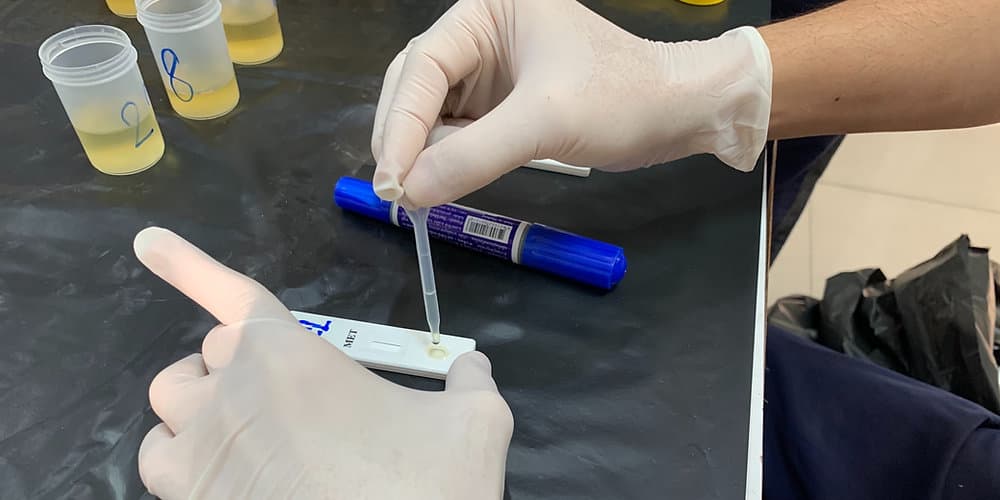
FMCSA to require states to downgrade CDLs due to drug/alcohol violations
The FMCSA has published a final rule requiring SDLAs to downgrade CDLs of drivers who have violated the federal drug/alcohol rules.
Brandon Wiseman
5 common roadside violations & how to avoid them
Some of the most common violations discovered during roadside inspections are simple to fix and avoid.
Brandon Wiseman
5 enforcement metrics carriers MUST track
Our list of the top 5 safety metrics carriers should be tracking to stay out of the DOT's and plaintiff's bar's crosshairs.
Brandon Wiseman
FMCSA extends COVID-19 national emergency declaration
FMCSA has again extended its COVID-19 emergency declaration, now through November 30, 2021.
Brandon Wiseman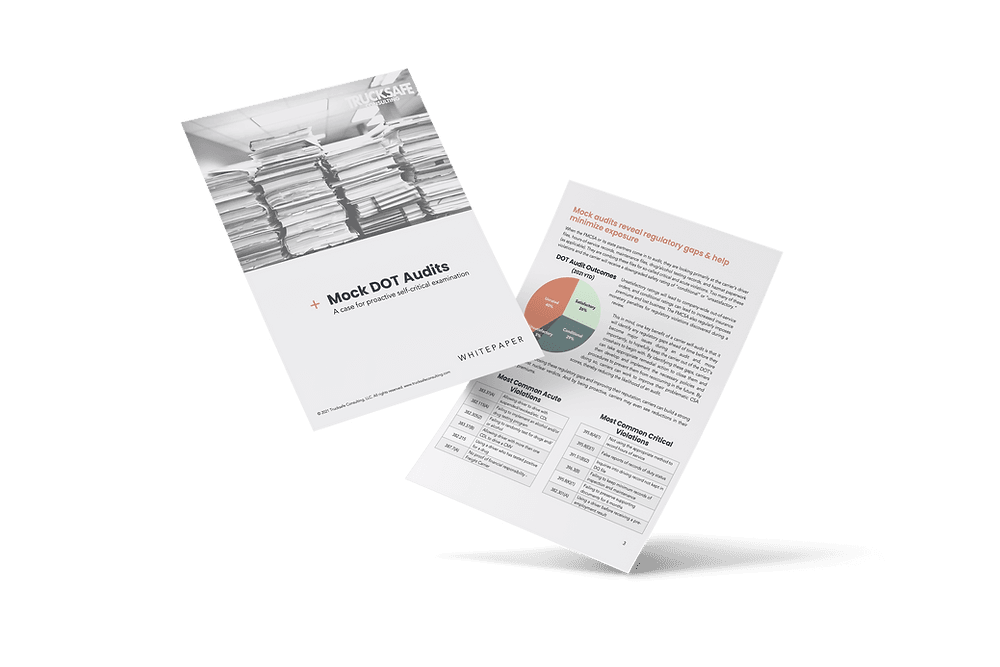
The case for mock DOT audits
Click here to download a copy of our Mock DOT Audits whitepaper, which offers details on the process as well as helpful FMCSA data on real audits. A few years back, we were asked to conduct a mock DOT audit of a large carrier as part of its annual risk assessment. As is typically the case, we conducted that audit using the same methodology as the Federal Motor Carrier Safety Administration (FMCSA), looking for so-called "critical" and "acute" violations across six factor areas: general complianc
Brandon Wiseman
DOT OIG identifies gaps in FMCSA's CDL program oversight
An OIG investigation revealed that states failed to timely transmit conviction data 17% of the time.
Brandon Wiseman
Controversial INVEST in America Act passes House, moves to Senate
The House passed the controversial bill that would see a significant increase to the minimum insurance requirement for most carriers.
Brandon Wiseman
FMCSA releases Spring regulatory agenda
USDOT's Spring agenda brings potential revisions to the Drug/Alcohol Clearinghouse, driver vision standards, and automatic emergency braking
Brandon Wiseman
5 ways to drastically improve your DOT safety program
5 proven steps carriers can take to improve their safety programs and stay out of the crosshairs.
Brandon Wiseman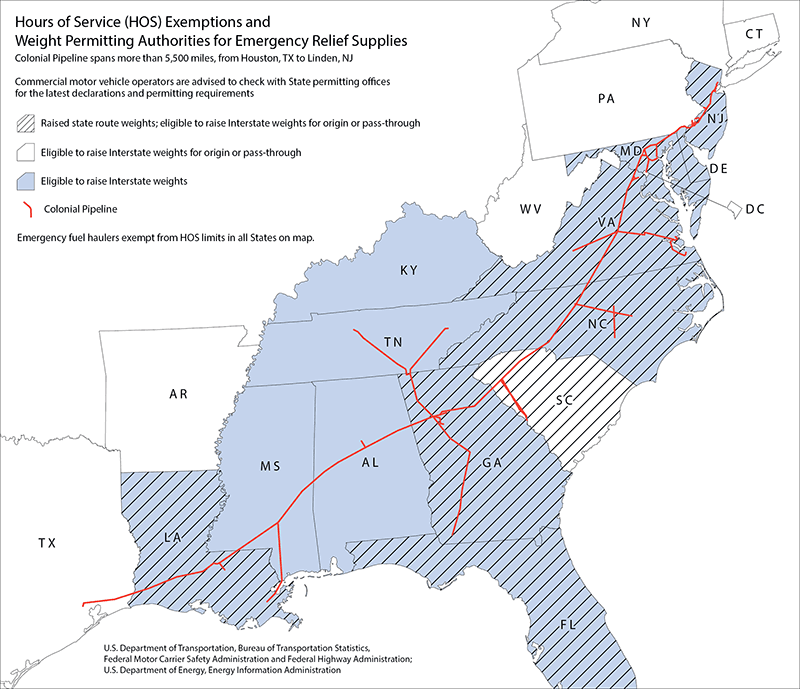
FMCSA coordinating with states on Colonial Pipeline exemptions
The FMCSA is working with individual states that have issued their own emergency orders in response to the Colonial Pipeline shutdown.
Brandon Wiseman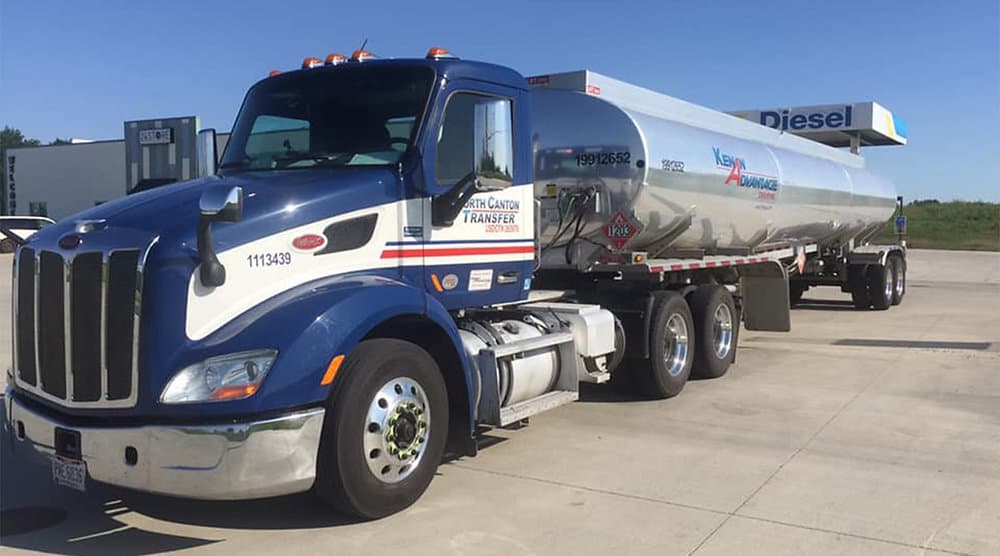
FMCSA issues emergency FMCSR exemption for certain fuel transporters
FMCSA issues emergency safety regulation exemption for fuel haulers in response to Colonial pipeline shutdown.
Brandon Wiseman
Understanding the Driver Vehicle Inspection Report (DVIR) process
The Driver Vehicle Inspection Report (DVIR) process continues to be a pain-point for many motor carriers and can lead to violations.
Brandon Wiseman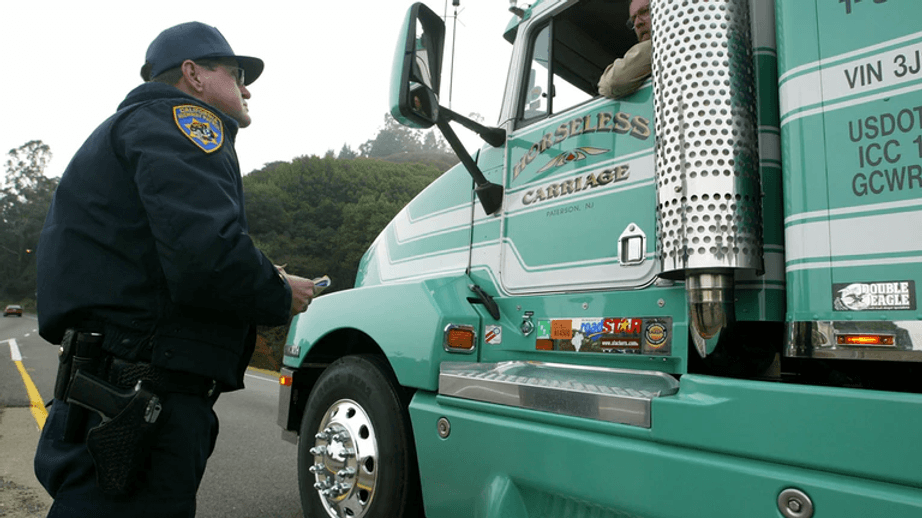
Preparing for International Roadcheck 2021
Each year, the Commercial Vehicle Safety Alliance (CVSA) holds its International Roadcheck during which commercial vehicle inspectors from all states and throughout Mexico and Canada focus their attention on particular issues during their inspections in order to gather data on those issues and to raise awareness on important issues affecting highway safety. According to the CVSA, this year's Roadcheck, which is scheduled for May 4-6, will highlight hours-of-service and vehicle lighting violation
Brandon Wiseman
5 common ELD pitfalls and how to avoid them
Carriers and drivers continue to run into ELD-related issues during roadside inspections. Here are 5 common ELD pitfalls & how to avoid them
Brandon Wiseman
Get ready for the new DOT entry-level driver training
Set to take effect on February 7, 2022, the FMCSA's new entry-level driver training requirement will overhaul the agency's existing rules.
Brandon Wiseman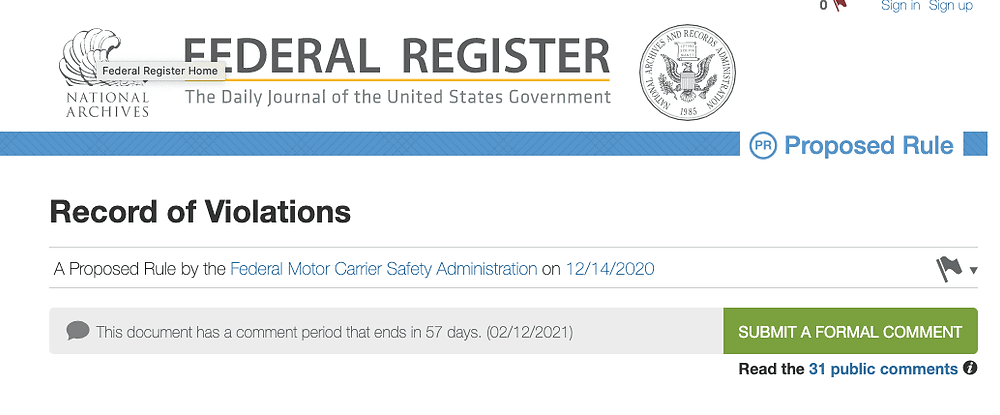
FMCSA proposes to eliminate annual certificate of violations requirement
The FMCSA is proposing to do away with the requirement that drivers submit a list of traffic convictions to motor carriers at least annually
Brandon Wiseman
FMCSA extends and expands COVID-19 emergency declaration
The FMCSA has extended its COVID-19 emergency declaration through February 28, 2021 and expanded it to include transportation of vaccines.
Brandon Wiseman
Spotlight on DOT Agricultural Exemptions
The federal safety regulations contain several agriculture-related exemptions. We explore each of them in this article.
Brandon Wiseman
Who needs a CDL? A primer on commercial drivers' licenses.
Drivers of certain types of commercial vehicles need a commercial driver's license to operate them. We address the specifics of CDLs...
Brandon Wiseman
When is a DOT post-accident drug and alcohol test required?
In this article, we'll explore the specific circumstances that implicate the federal drug/alcohol post-accident testing requirements for...
Brandon Wiseman
What you should know about personal conveyance
Personal conveyance is one of the more amorphous concepts in commercial trucking. Here's what you should know about the topic.
Brandon Wiseman
5 tips for a successful DataQs appeal
DataQs, when used correctly, are great tools to help motor carriers improve their CSA scores. Here are 5 steps for filing a successful DataQ
Brandon Wiseman
What is a CMV and why does it matter?
Perhaps more so than any other term, the term CMV carriers a special significance in commercial transportation. We'll explore why...
Brandon Wiseman
What is a DOT-recordable accident?
Accidents are an unfortunate reality in commercial transportation. But certain types of accidents carry specific regulatory obligations.
Brandon Wiseman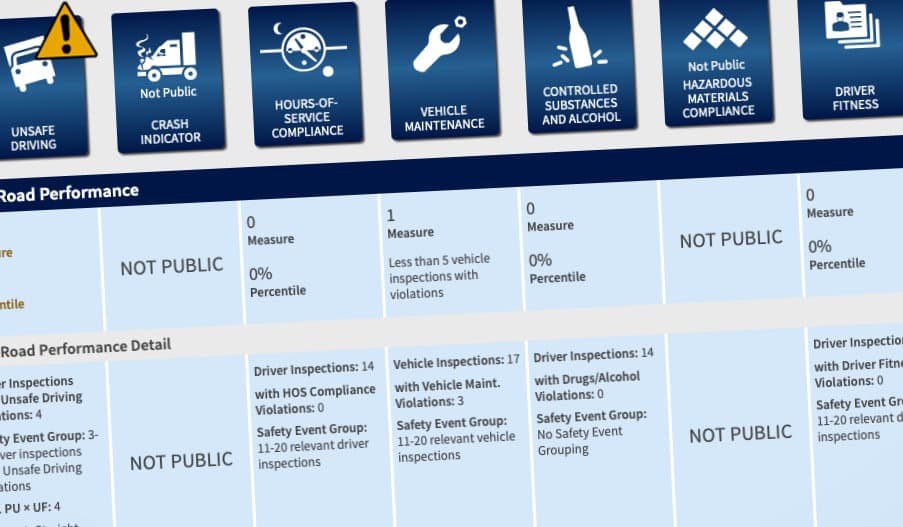
How are CSA scores calculated?
CSA scores are used, in part, to prioritize carriers for enforcement action. But how are they calculated? We'll explore the methodology...
Brandon Wiseman
What is a DQ file and what must it include?
Motor carriers are required to create and maintain DQ—or driver qualification—files on all drivers who operate commercial vehicles for them
Brandon Wiseman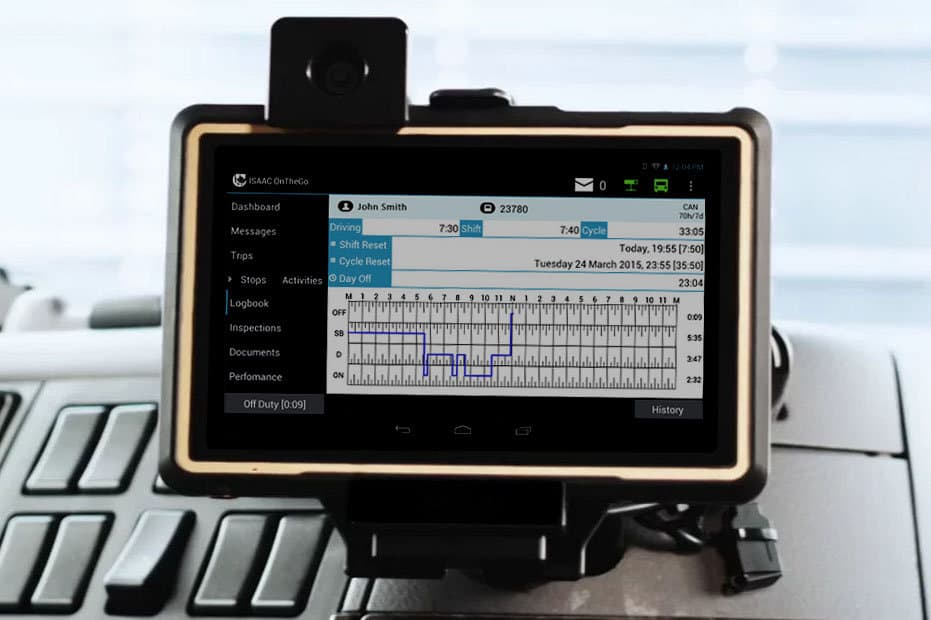
Who's exempt from the ELD requirement?
Certain drivers and operations are exempt from the FMCSA's electronic logging device mandate. We explore the various exemptions.
Brandon Wiseman
DOT short-haul exemption explained
Commercial drivers who qualify for the short-haul exemption are relieved of some, but not all, regulatory requirements.
Brandon Wiseman
Upgrading your DOT safety rating
A step-by-step guide to upgrading a Conditional or Unsatisfactory DOT safety rating.
Brandon Wiseman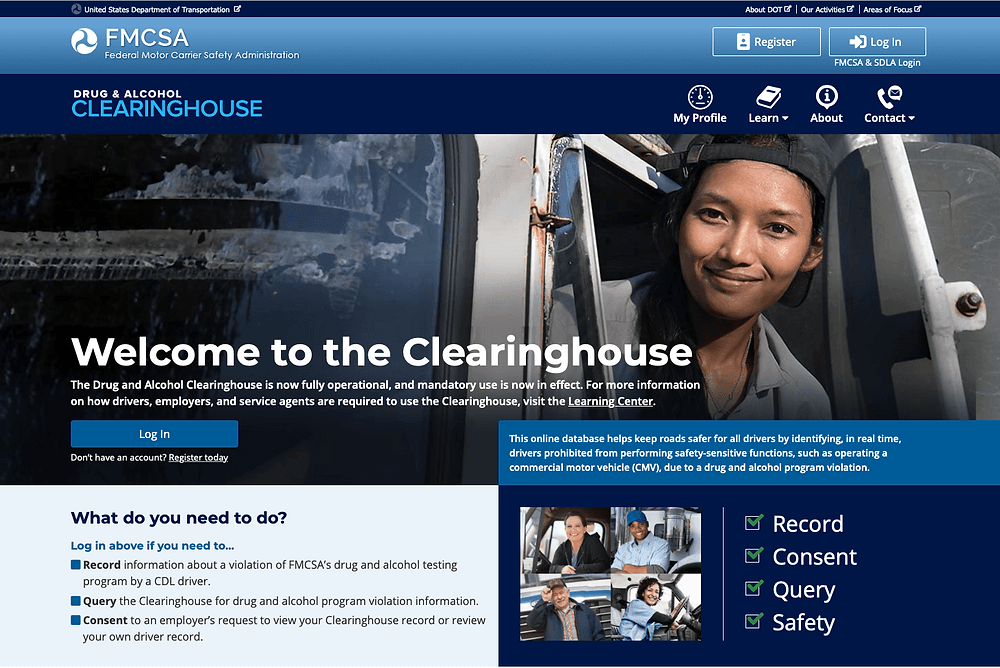
What is the FMCSA's Drug & Alcohol Clearinghouse?
The Clearinghouse is a central repository administered by the FMCSA for drug & alcohol testing violation data on all commercial drivers.
Brandon Wiseman
Hours-of-service rule changes go into effect, despite federal court challenge
Despite efforts by safety advocates to derail it, the FMCSA's final rule on hours-of-service changes goes into effect today, September 29th.
Brandon Wiseman
FMCSA proposes under-21 commercial driver pilot program
FMCSA proposes pilot program to allow 18-20 year old drivers to operate commercial vehicles in interstate commerce under certain conditions.
Brandon Wiseman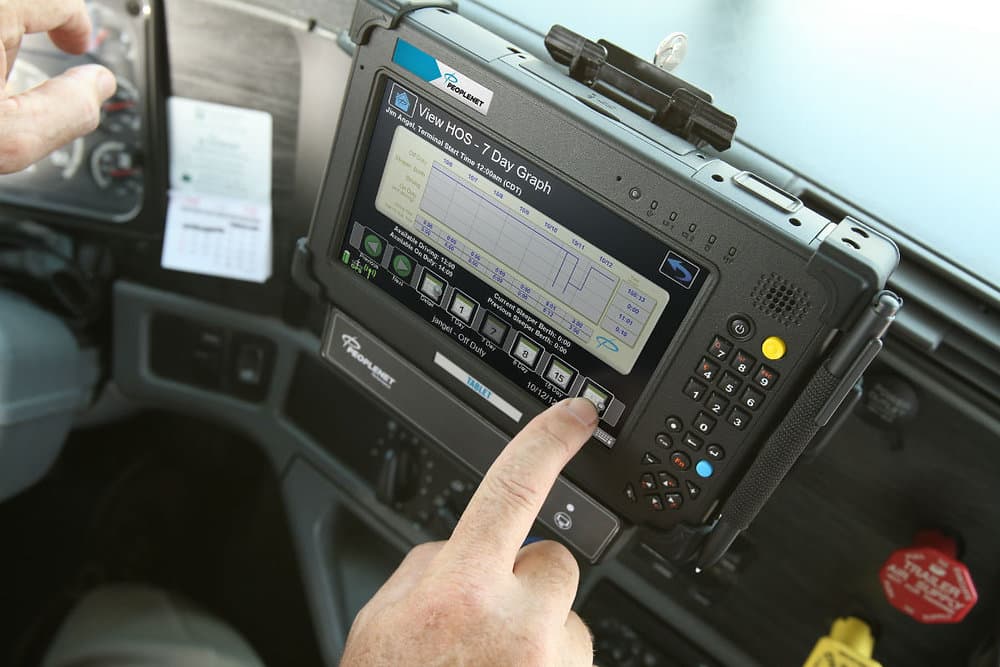
FMCSA proposes pilot program to test 14-hour pause
FMCSA to conduct pilot program to allow certain drivers to pause their 14-hour driving window with an off-duty break once per day.
Brandon Wiseman
Protecting your DOT safety rating
A comprehensive guide to DOT safety ratings, including how to check, improve, and protect your rating.
Brandon Wiseman
How to pass an FMCSA new entrant audit
An in-depth discussion of what it takes to pass an FMCSA new entrant audit to keep your USDOT number and operating authority.
Brandon Wiseman
What is a DOT license?
An in-depth look at the various federal and state motor carrier registrations, permits, and authorities that some consider "DOT licenses"
Brandon Wiseman
5 surefire ways to improve your SMS scores
Tips for improving your SMS scores and minimizing your chances of an audit or fines.
Brandon Wiseman
8 essential steps to prepare for a DOT audit
DOT audits are nerve-racking. Check out these 8 steps to help you prepare for an audit.
Brandon Wiseman
FMCSA again extends, but modifies, emergency declaration
FMCSA's COVID-19 emergency declaration has been extended to September 14th and slightly modified to once again cover food transportation.
Brandon Wiseman